
Payment structure kills more first deals than price ever does. This guide to payment terms and letters of credit for produce importers maps the structures the Egyptian trade actually uses — advance/balance splits, documentary collections, LCs — with the perishables twist that makes fresh produce different from every other LC textbook: the goods rot faster than banks move. Companion to the Incoterms guide and the import playbook.
Last updated: July 2026 · General guidance, not financial advice — confirm structures with your bank.
Table of Contents
- The Structures, Compared
- LCs for Perishables — The Rules That Matter
- The Trust Ladder — How Terms Evolve
- Payment Terms — FAQ
- Terms That Fit Both Sides
- Worked Example: The Trust Curve
- Decision Matrix
The Structures, Compared
| Structure | How It Works | Risk Balance | Best For |
|---|---|---|---|
| Advance / balance split | Typically 20–50% at order, balance against document copies | Shared | The trade’s workhorse for ongoing relationships |
| CAD (documents against payment) | Bank releases originals when buyer pays | Seller-tilted | Established buyers, moderate values |
| Letter of Credit (LC) | Buyer’s bank pays against compliant documents | Balanced, costly | First large contracts, new relationships |
| Open account | Ship now, pay on terms | Buyer-tilted | Earned after seasons of history — never first |
LCs for Perishables — The Rules That Matter
- At sight, irrevocable, confirmed if you want the exporter’s best pricing — unconfirmed LCs from unfamiliar banks price like risk.
- Realistic document lists: every extra certificate is a discrepancy waiting to happen — mirror the standard export document set, nothing exotic.
- Sane deadlines: shipment windows that fit harvest reality, presentation periods of 21 days, expiry with margin — tight LCs cause the amendments that cost more than they protect.
- No quality clauses in the LC: banks check documents, not fruit. Quality sits in the contract with third-party inspection (SGS/Intertek) at loading — the LC pays against the inspection certificate.
- Cost reality: LC fees run 1–3% all-in; on thin produce margins, that’s why relationships migrate to splits after the first season.
The Trust Ladder — How Terms Evolve
| Stage | Typical Terms |
|---|---|
| Trial container | Higher advance or LC — both sides prove themselves |
| First season | 30–50% advance / balance on copies |
| Established program | 20–30% advance, or CAD |
| Multi-year partner | Reduced advances; open-account elements for stable lines |
The golden rules from the buyer side: pay only to the company’s registered bank account (rule #8 of the verification checklist), tie every payment to a document milestone, and put the claims procedure in writing before the first dollar moves.
Worked Example: One Relationship, Three Payment Structures in Three Years
Follow a hypothetical Bangladeshi importer and an Egyptian citrus exporter through the trust curve. Year one (strangers): the exporter quotes 50% advance, balance against copy documents — heavy terms, but the importer is unknown and Bangladesh’s central-bank rules push the pair toward a sight letter of credit anyway; the LC costs the importer real bank charges and margin lockup, and costs the exporter three document-discrepancy headaches, but both sides sleep. Year two (proven): six clean containers later, terms shift to 30% T/T advance, 70% against document copies — cheaper than the LC by most of a percentage point per shipment, faster by days, and the exporter now carries modest open risk because payment history justifies it. Year three (partners): a season frame with 20% advance per call-off, balance at 30 days from B/L — effectively trade credit, priced into a slightly better annual volume deal. Nothing in this progression is generous; each step trades risk premium for demonstrated behavior. That is the entire payments game: terms are a price on trust, and trust is built one clean container at a time.
Choosing the Structure — A Decision Matrix
| Situation | Sensible Structure | Why |
|---|---|---|
| First transaction, unknown parties | Sight LC or 40–50% advance | Neither side has history to lend |
| Regulated market (Bangladesh, Algeria…) | LC as mandated | Central-bank rules decide, not preference |
| Proven relationship, stable lane | 20–30% T/T + balance on documents | Cheapest structure that still shares risk |
| Perishables in dispute-prone lanes | CAD via banks | Documents ransom the cargo, not trust |
| High-value premium programs | Confirmed LC or credit insurance | The margin can afford certainty |
Payment Terms — FAQ
What are typical payment terms with Egyptian exporters?
An advance/balance split is the workhorse — commonly 20–50% at order with the balance against document copies — with LCs for large first contracts and CAD for established mid-size trade.
Is a letter of credit worth it for produce?
For large first contracts with a new supplier, often yes — if it’s at sight, has a realistic document list, and pays against a third-party inspection certificate. Fees of 1–3% push ongoing relationships toward simpler splits.
How do I protect quality if banks only check documents?
Put quality in the contract, not the LC: agreed specs with tolerances, SGS or Intertek inspection at loading, and the LC (or balance payment) triggered by the inspection certificate among the documents.
What payment red flags should importers watch for?
Requests to pay personal accounts or names differing from the company’s registration, full prepayment demands from unverified suppliers, and pressure to skip document milestones — each one ends the conversation.
Terms That Fit Both Sides
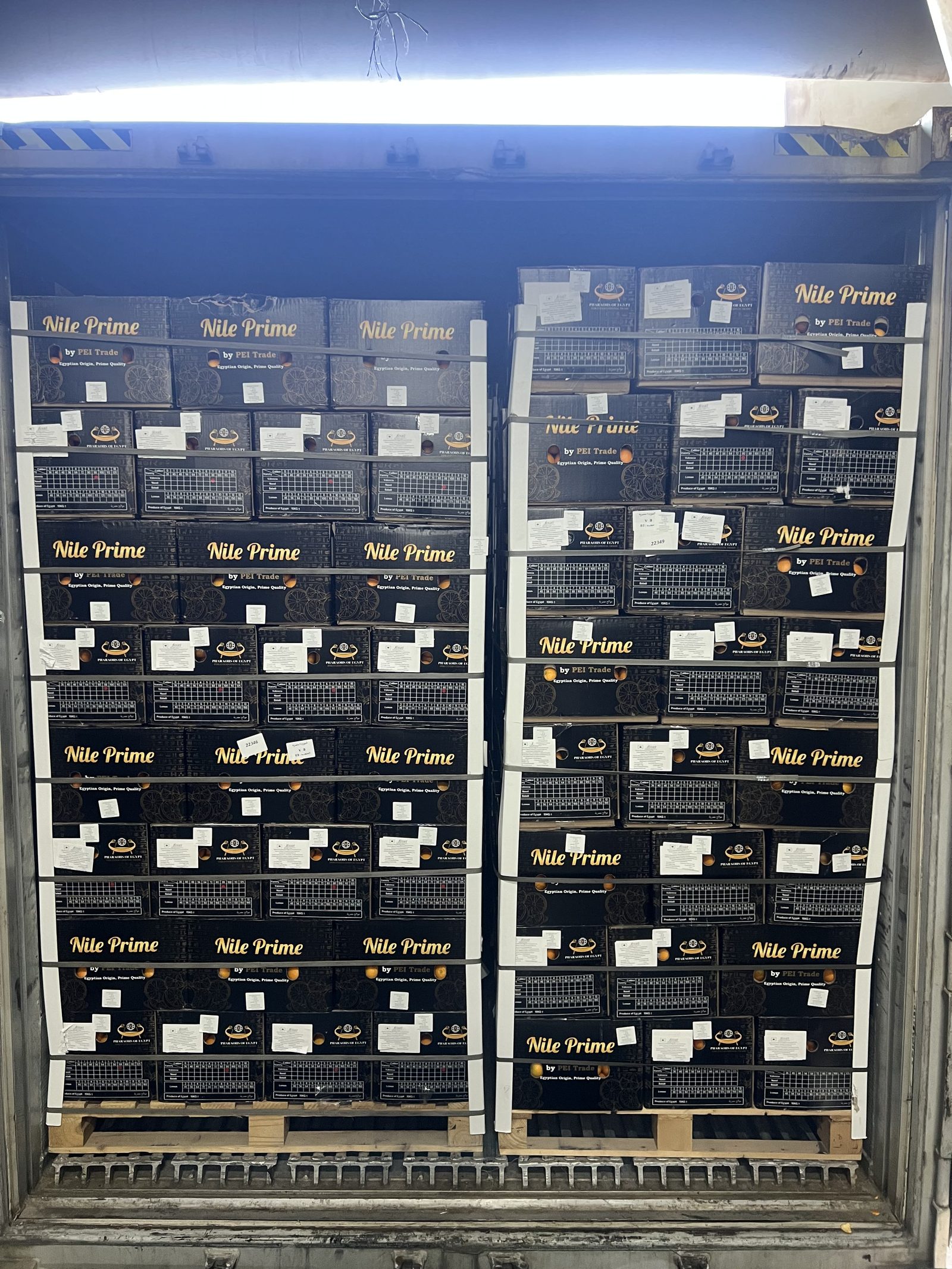
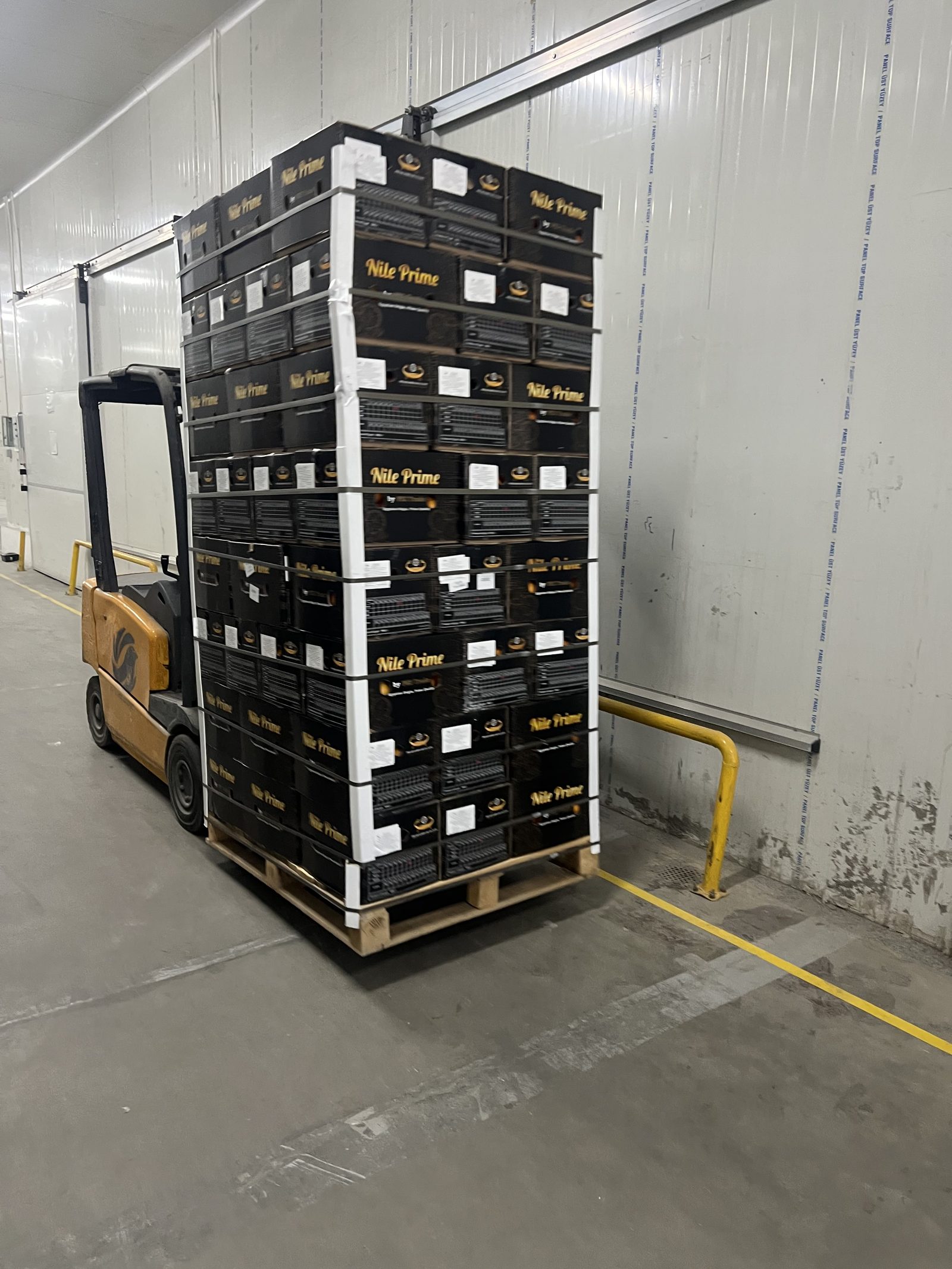
Nile Prime — the premium brand of PEI Trade — works splits, CAD, and LCs, tied to document milestones on every deal: WhatsApp +20 109 911 1918 · [email protected].
Sources: ICC — UCP 600 documentary credit rules · PEI Trade commercial practice.