
Knowing how to verify an Egyptian exporter is the single highest-return hour an importer spends. The origin is full of excellent, certified operations — and, like every major origin, a fringe of brokers with borrowed photos and no packhouse behind the website. The good news: the fakes cannot survive ten specific checks. Run this list before any money moves, on any supplier — including us.
Last updated: July 2026 · By the Nile Prime export team
Table of Contents
- The 10-Point Verification Checklist
- Red Flags That End the Conversation
- Hold Us to the Same List
- Verifying Egyptian Exporters — FAQ
- Worked Example: Two Weeks of Diligence
- Red Flags Ranked
The 10-Point Verification Checklist
| # | Check | How | Pass Looks Like |
|---|---|---|---|
| 1 | Legal registration | Commercial registration + export license copies | Company name matches invoices, bank, and certificates exactly |
| 2 | GLOBALG.A.P GGN | Verify the number on the official GLOBALG.A.P database | Valid, current, your product in scope |
| 3 | Food-safety certificates | HACCP / ISO 22000 certificate with issuer & dates | Accredited issuer, not expired, facility address matches |
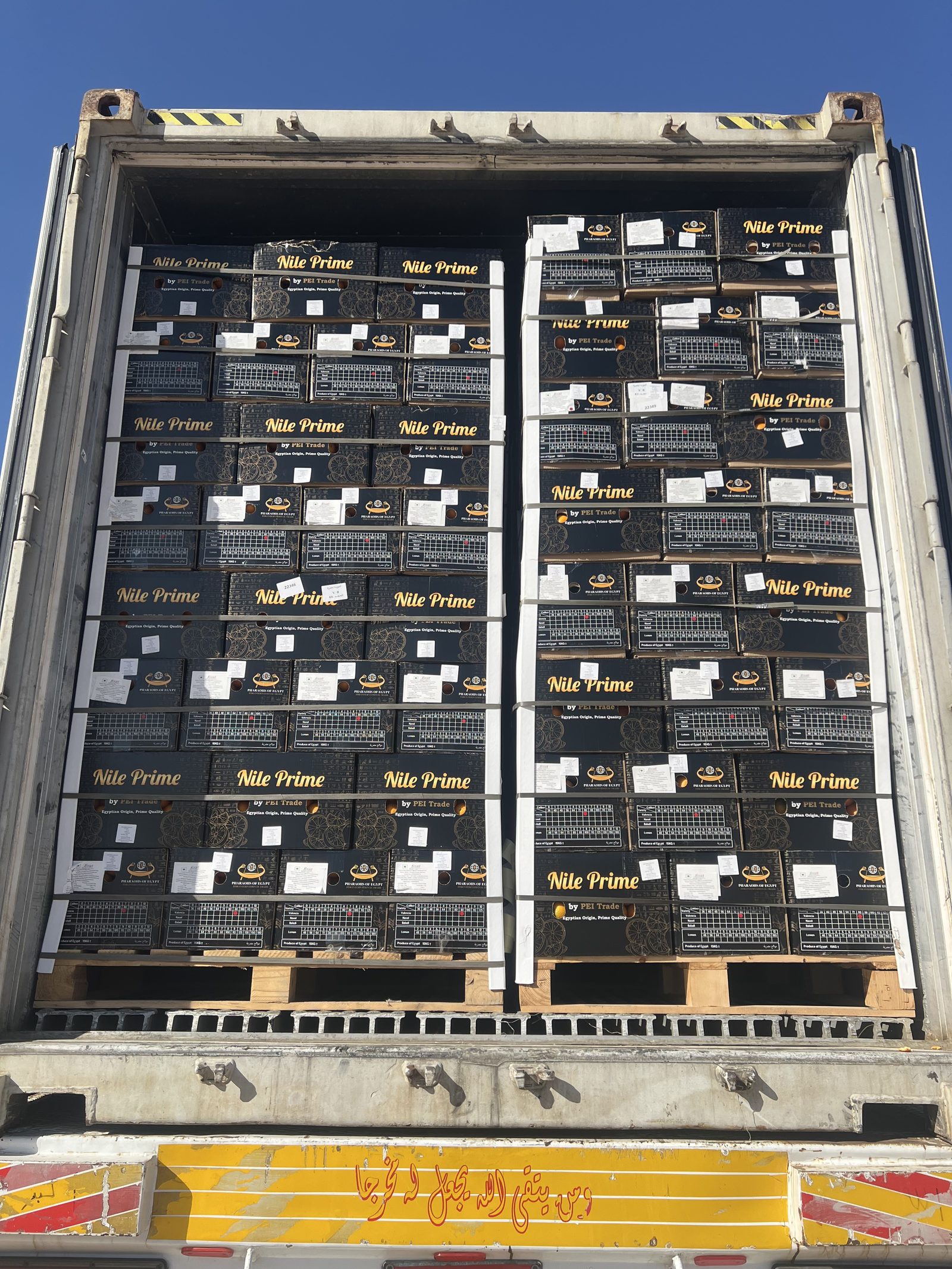
| 4 | The packhouse is real | Live video call from the facility — not a file | They offer before you ask; branded cartons visible |
| 5 | Export history | Two buyer references in your market + B/L samples (redacted) | References answer; B/Ls show them as shipper |
| 6 | Digital footprint | Website age, consistent contacts, real photos | Same phone/email across site, documents, and chat |
| 7 | Product knowledge | Ask a hard question (HWT logs, count tolerances, reefer settings) | Instant, specific answers — traders stall, packers know |
| 8 | Payment hygiene | Bank account in the company’s legal name, in Egypt | No personal accounts, no third-country accounts, ever |
| 9 | Contract behavior | Willingness to sign a spec sheet with tolerances & claims process | They improve your draft instead of dodging it |
| 10 | The trial test | One container through the full chain | Documents early, photos unprompted, straight answers when something wobbles |
Red Flags That End the Conversation
- Payment requested to a personal account or a company name different from the certificates.
- Prices dramatically below every other quote — in produce, the cheap offer is the expensive one.
- Refusal of a live video call from the packhouse (“cameras not allowed” is not a thing).
- Certificates as low-resolution images with no verifiable numbers.
- Pressure to close “today only” — real exporters sell seasons, not urgency.
Hold Us to the Same List
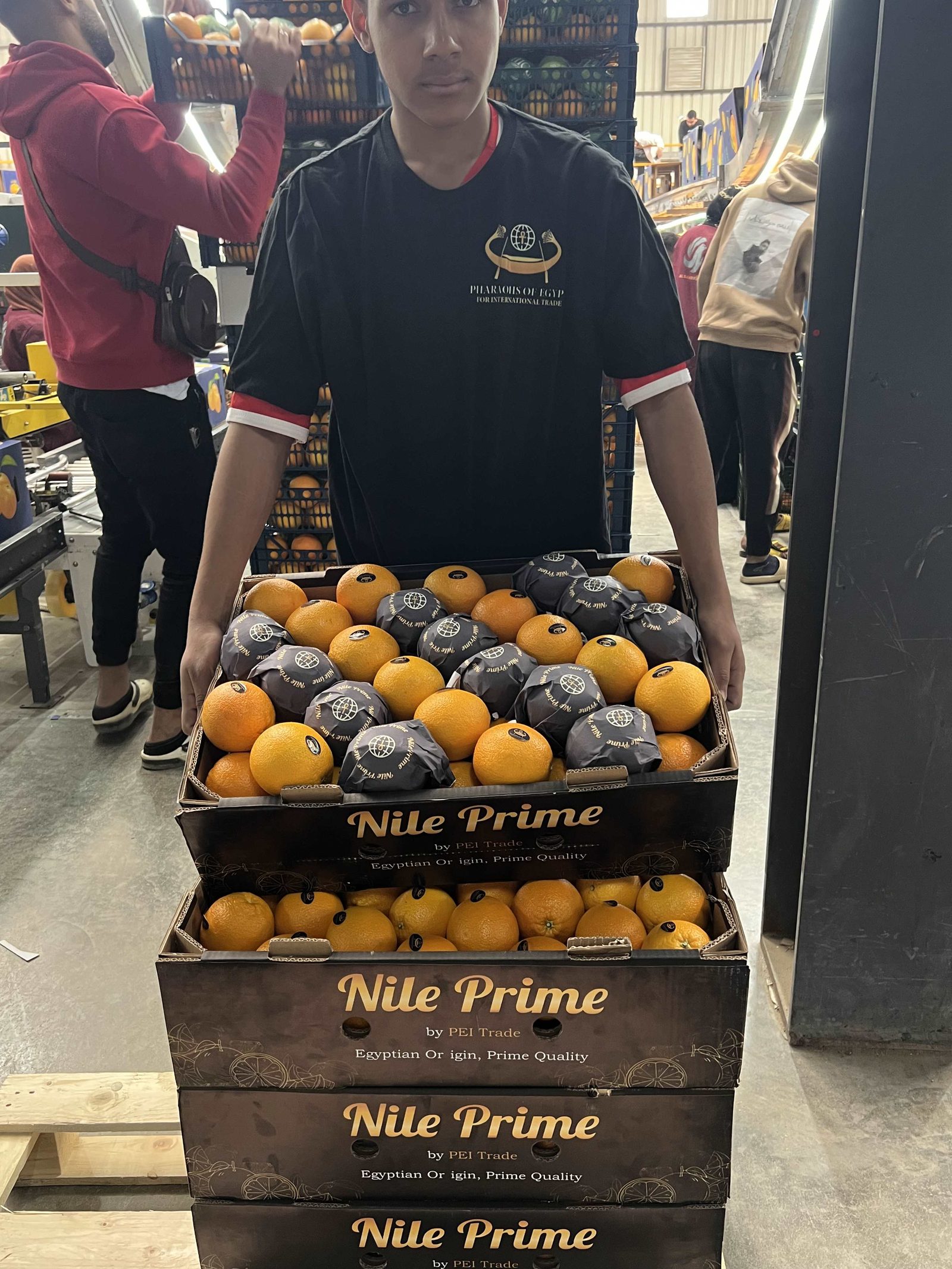
We publish this checklist because we pass it: Nile Prime is the premium brand of PEI Trade, with certified farms, a working packhouse you can tour on video any day of the week, and references on request. Run the ten points on us, then on everyone else — our per-product rankings (mango, citrus, strawberry) give you the shortlist to test. Then follow the 8-step import playbook.
Worked Example: Two Weeks of Due Diligence, Documented
A hypothetical Nairobi importer finds three Egyptian onion suppliers online and runs the full protocol on each. Days 1–2 (free checks): GOEIC exporter registry confirmed for two of three; the third’s “export license” turns out to be a general commercial registration — eliminated. Certificate numbers checked against the GLOBALG.A.P database: one house’s certificate expired eight months ago and its website badge is decorative — flagged. Days 3–5 (behavioral): both survivors receive the same technical email — curing method, size tolerance, document set for Kenya, KEPHIS requirements. House A answers in 24 hours, specifically, naming its Mombasa clearing experience. House B answers in four days with a price list. Days 6–10 (proof): House A does a live packhouse video call on request, shows lot records tracing a pallet to a field, and provides two references — importers in Mombasa and Dubai — who confirm multi-season history. Day 14: a trial container books with House A at 30% advance. Total verification cost in this sketch: perhaps $200 of time and calls, against a $30,000+ container. The ratio explains itself — and every fraud story in this trade starts with someone skipping days 1–2 because the price looked good.
Red Flags Ranked by Severity
| Signal | Severity | Action |
|---|---|---|
| 100% advance payment demanded from a stranger | Critical | Walk away |
| Not in the GOEIC exporter registry | Critical | Walk away |
| Refuses live video of the facility | High | Assume no facility |
| Certificates unverifiable in issuer databases | High | Treat as uncertified |
| Prices far below every other quote | High | The discount is the bait |
| Payment to a personal or third-country account | Critical | Walk away |
| Vague on destination-market requirements | Medium | They’ve never shipped your lane |
Verifying Egyptian Exporters — FAQ
How do I check if an Egyptian export company is legitimate?
Verify the GLOBALG.A.P number on the official database, request commercial registration and export license, insist on a live video call from the packhouse, and confirm the bank account matches the company’s legal name — four checks that eliminate most fraud.
What is the biggest red flag with produce exporters?
Payment to a personal account or any name that differs from the certificates — combined with prices far below market. Legitimate Egyptian exporters bank in their company name inside Egypt.
Can I visit or inspect an Egyptian exporter remotely?
Yes — a live video walkthrough of the packhouse is standard practice and takes ten minutes. Any refusal is disqualifying. Third-party inspection (SGS, Intertek) at loading adds another layer for first contracts.
Is a trial order really necessary?
It is the only check that tests the whole chain — spec honesty, documents, cold chain, and how the supplier behaves when something small goes wrong. One container answers questions no audit can.
Sources: GLOBALG.A.P Database · PEI Trade compliance practice.