
Egyptian vs Spanish oranges is the question every European citrus buyer answers each winter — usually with a purchase order rather than an opinion. Spain built the category; Egypt now out-ships it to the world. The honest comparison isn’t about which fruit is “better” — it’s about which fruit is better for which program, at which price, in which weeks. Here it is, spread by spread. From the team behind the complete Egyptian citrus guide.
Last updated: July 2026 · By the Nile Prime export team
Table of Contents
- Head to Head
- The Program-by-Program Verdict
- Why the Price Gap Exists — and Persists
- Egyptian vs Spanish Oranges — FAQ
- Price the Egyptian Base Load
- Worked Example: Rotterdam Juicer
- The Honest Scorecard
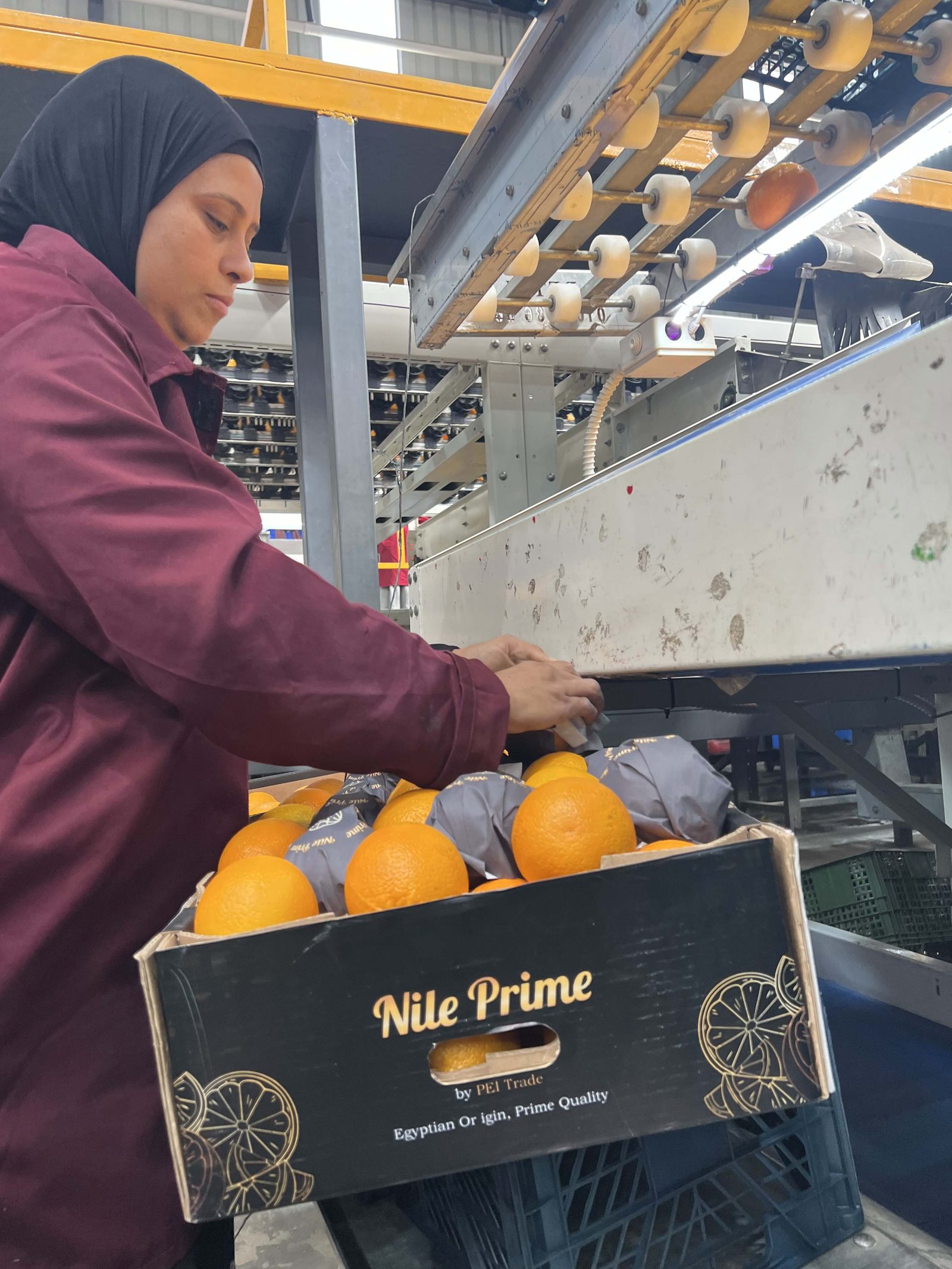
Head to Head
| Egyptian Oranges | Spanish Oranges | |
|---|---|---|
| World export rank | #1 by volume | Long-time leader, now #2–3 |
| Season | Dec–May | Nov–May (earlier start) |
| Price at equal grade | Consistently lower | Premium-priced |
| Transit to N. Europe | 10–12 days sea | 2–4 days truck |
| Lead time flexibility | Order cycles in weeks | Days — the just-in-time advantage |
| Juice segment | Valencia yield champion at volume | Strong but costlier |
| Brand perception (EU) | The value engine | The heritage label |
The Program-by-Program Verdict
- Juice programs: Egypt, decisively — Valencia yields at the market’s lowest serious cost. This segment moved years ago and isn’t moving back.
- Value retail & wholesale: Egypt — the price gap at equal Class I is the margin.
- Just-in-time topping up: Spain — when you need fruit on a shelf in 72 hours, the truck wins.
- Heritage-label premium lines: Spain keeps the story; Egyptian branded cartons are closing the presentation gap fast.
- The professional answer: most large EU buyers run both — Egyptian programs as the volume base, Spanish trucks as the flexibility layer. The ratio has shifted toward Egypt every season for a decade.
Why the Price Gap Exists — and Persists
Structural, not cyclical: Egyptian land and labor costs, modern high-density orchards on reclaimed desert (young trees, drip irrigation, flat picking terrain), and packhouse scale built for two million export tonnes. Spain’s costs — EU labor, older groves, water pressure — aren’t falling. At equal grade and count, the FOB-plus-freight gap into Rotterdam has stayed wide enough to decide tenders year after year; the numbers behind it live in the citrus export report and the orange prices guide.
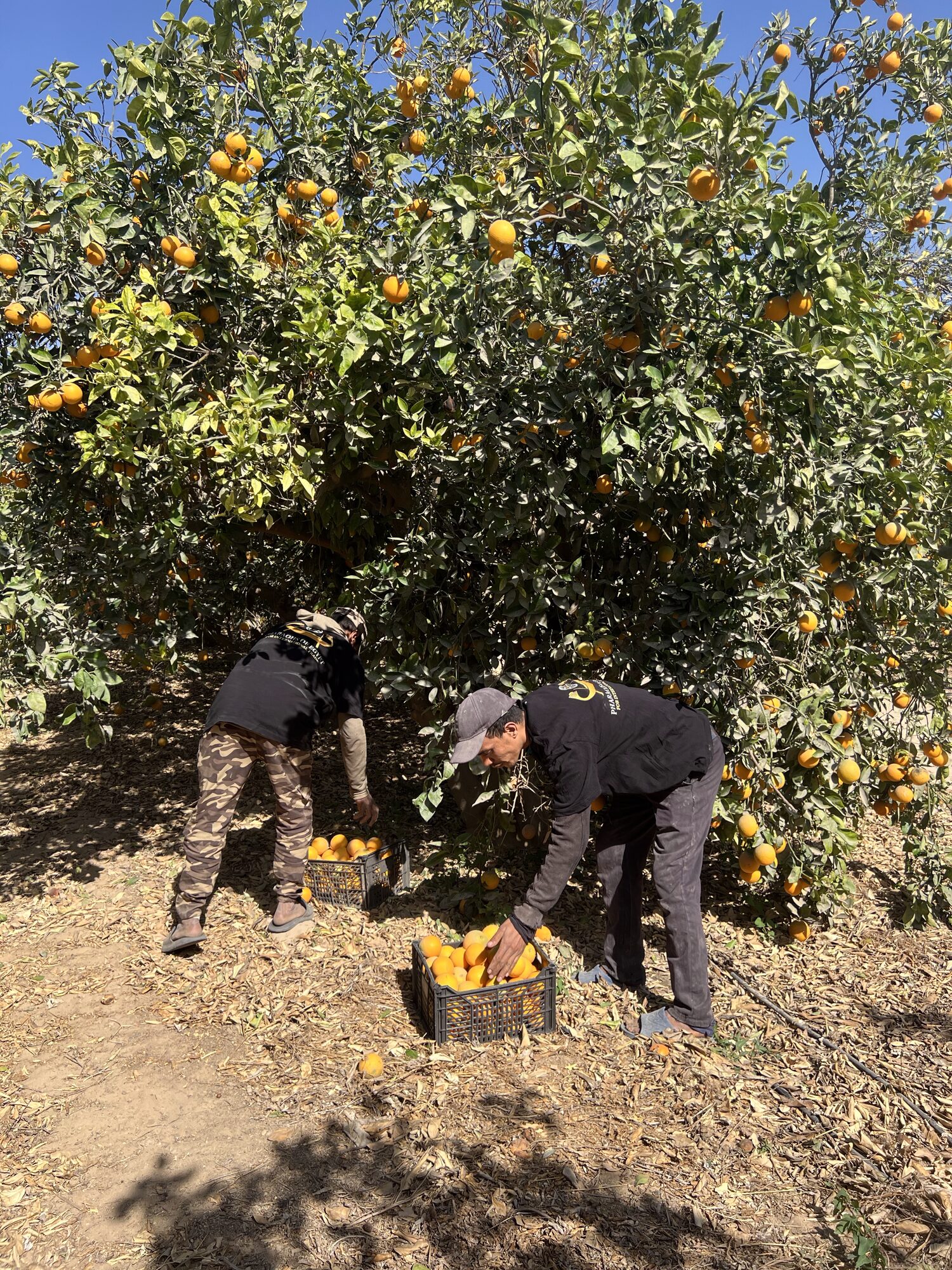
Worked Example: A Rotterdam Juicer Prices Both Origins
A hypothetical Dutch fresh-juice bottler needs 60 tonnes of juicing oranges weekly, December through May. The spreadsheet exercise: Spanish offer — trucked Valencia-region fruit, 3-day delivery, flexible weekly volumes, higher fruit price reflecting EU farm costs; no duty, minimal paperwork. Egyptian offer — containerized fruit at a meaningfully lower FOB, 10–12 day transit, entry-price-system duty exposure in some weeks, and a fixed-program structure (weekly containers booked a season ahead). In this scenario the landed-cost gap after freight and duty still favors Egypt by enough to matter on 60 weekly tonnes — but the bottler’s real decision is operational: can production planning live with 12-day pipelines and pre-committed volumes? The rational answer most real buyers reach is the hybrid: Egyptian base load for the contracted core (say 70%), Spanish trucks for the flex and the emergencies. Fictional bottler, real arithmetic — and it explains why the two origins coexist in the same European market rather than one displacing the other.
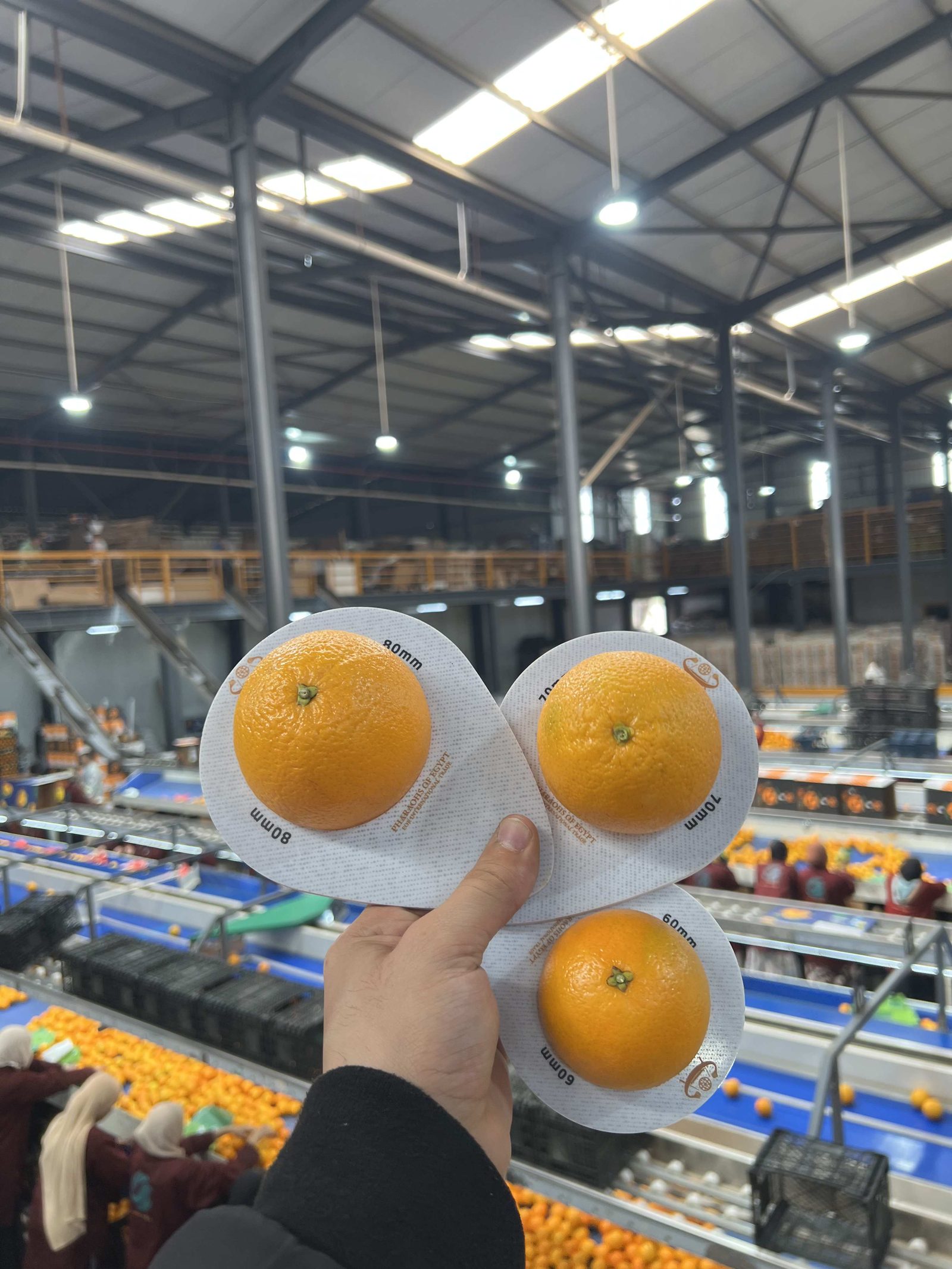
Where Each Origin Wins — The Honest Scorecard
| Dimension | Egypt | Spain |
|---|---|---|
| FOB cost base | ✔ Structurally lower | — |
| Delivery speed to EU | — | ✔ Trucks in days |
| Brix / eating sweetness | ✔ Nile Valley heat units | Strong but typically lower |
| Season length (Navel+Valencia) | ✔ Dec–Jun deep volume | Long but tighter late-season |
| Retail programs inside EU | — | ✔ Zero-duty, short chain |
| Gulf / Asia / Africa lanes | ✔ Geography + freight | — |
| Volume flexibility mid-season | Program-based | ✔ Spot-friendly |
Egyptian vs Spanish Oranges — FAQ
Are Egyptian oranges as good as Spanish oranges?
At equal Class I grade the eating quality is comparable — Egyptian Valencia actually leads on juice yield. Spain retains the just-in-time logistics edge and heritage branding; Egypt wins on price at every matched spec.
Why are Egyptian oranges cheaper than Spanish?
Structural cost advantages: land, labor, young high-density orchards on reclaimed desert, and packing scale built around the world’s largest orange export volume — a gap that has persisted and widened for a decade.
Which should European juice producers buy?
Egyptian Valencia — the segment’s yield-per-euro champion at volume. Most of the EU juice industry made this switch years ago.
Can Egyptian oranges replace Spanish in retail programs?
For the volume base, they already have across much of Europe — typically run alongside Spanish trucks kept as a 72-hour flexibility layer. Branded Egyptian cartons are closing the remaining presentation gap.
Price the Egyptian Base Load
Nile Prime — the premium brand of PEI Trade — quotes EU-compliant Valencia and Navel programs: WhatsApp +20 109 911 1918 · [email protected].
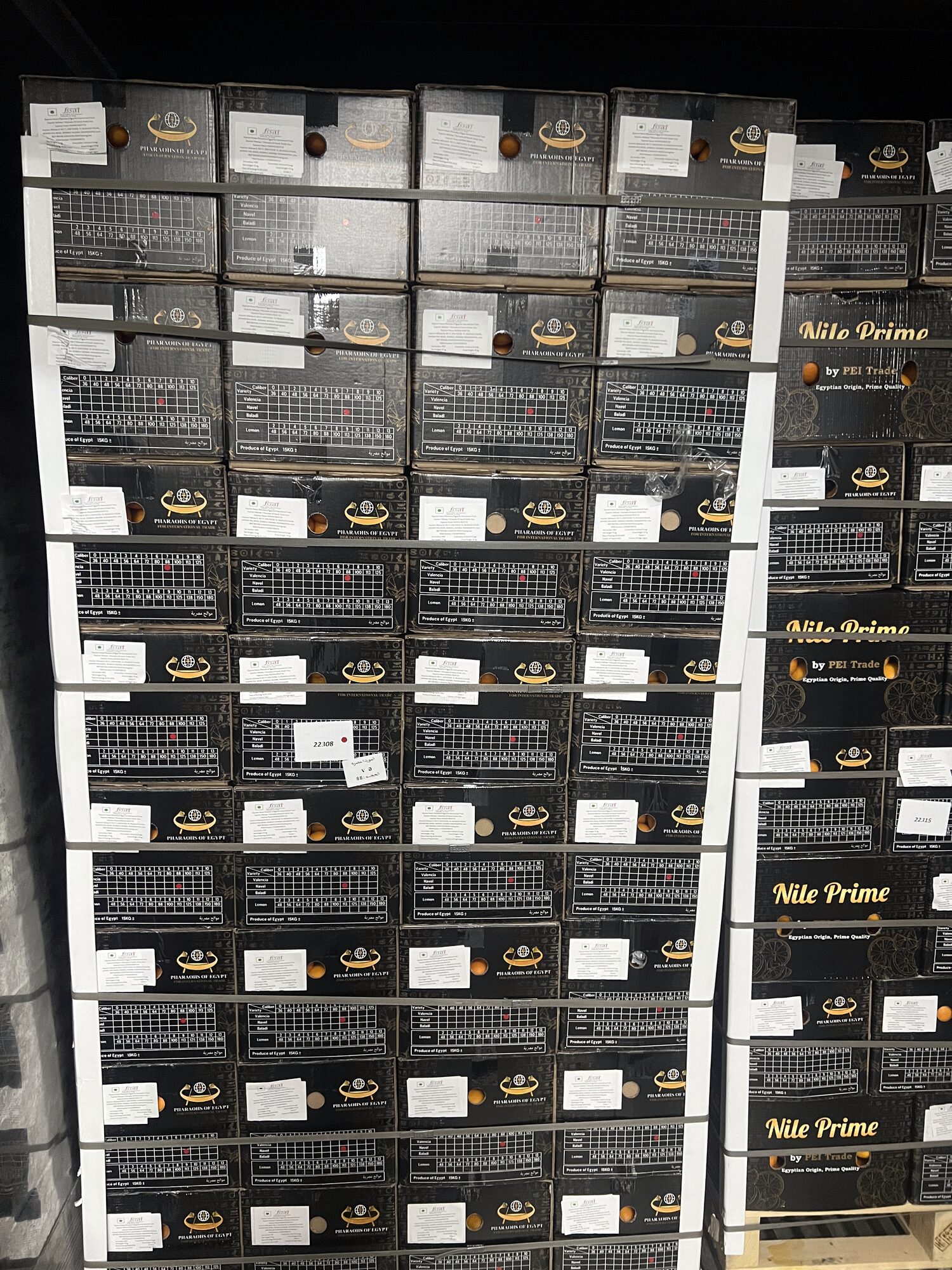
Sources: Tridge — world orange export rankings · PEI Trade — Citrus Export Report.