
Documentary collections — CAD, D/P, and D/A — are the middle road of trade payment: banks handle the documents, but nobody guarantees anything. Cheaper than an LC, more structured than a bare wire, they suit exactly one situation — a real but young relationship where both sides want document discipline without bank-guarantee costs. This guide explains the three variants, the perishables catch, and when each fits. Part of our payment series with the overview and T/T deep-dive.
Last updated: July 2026 · By the Nile Prime export team
Table of Contents
- The Three Variants
- The Perishables Catch
- Which Fits When
- Documentary Collections — FAQ
- Structure Your Second Season
- Worked Example: Both Sides of D/P
- D/P vs D/A vs Open Account
The Three Variants
| Term | Bank Releases Documents When… | Risk Profile |
|---|---|---|
| CAD (Cash Against Documents) | Buyer pays — at the bank counter | Seller keeps cargo control until paid |
| D/P (Documents against Payment) | Buyer pays a sight draft — functionally CAD under URC 522 rules | Same as CAD; the banking-rulebook name |
| D/A (Documents against Acceptance) | Buyer signs a time draft promising payment later (30/60/90 days) | Seller releases cargo on a promise — real credit risk |
All three run under the ICC’s URC 522 rules, through the exporter’s bank to yours. Crucially: banks check nothing — they pass papers and collect money. No document examination, no payment guarantee. That is the whole difference from an LC, and the reason collections cost a fraction of one.
The Perishables Catch
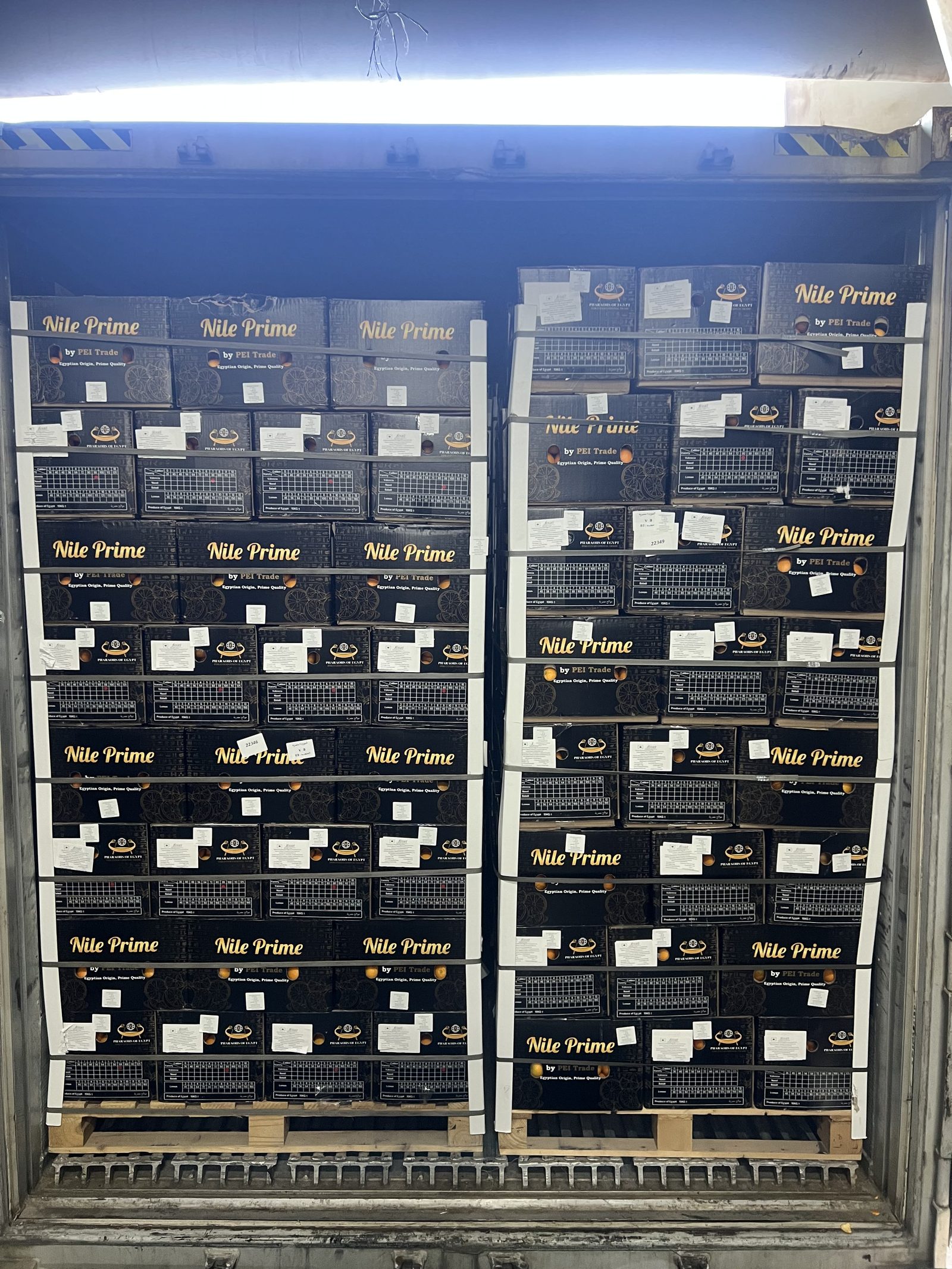
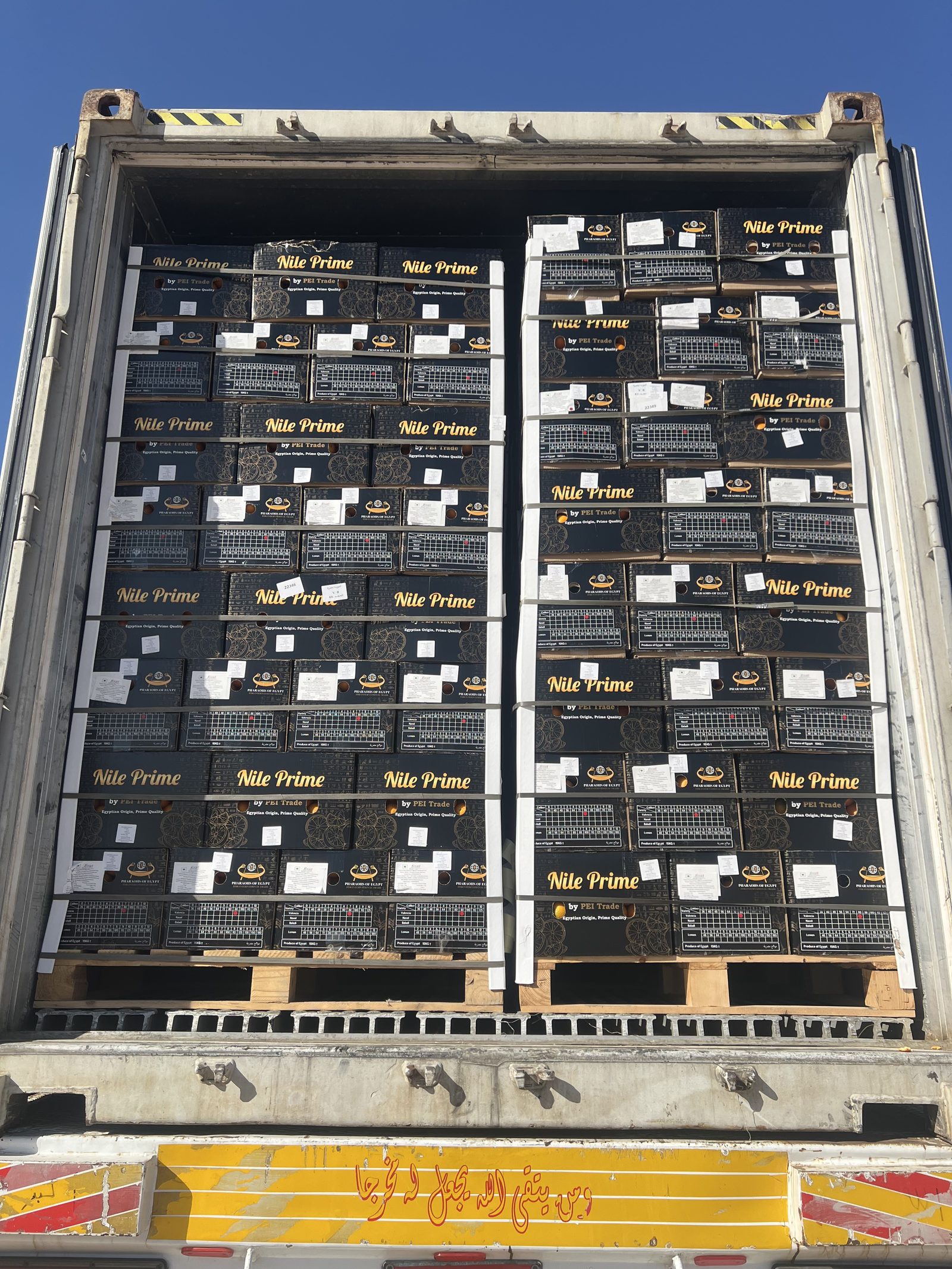
Collections have one produce-specific weakness: if the buyer doesn’t pay, the seller owns a container of ripening fruit in a foreign port — racking up demurrage while it decays. This is why Egyptian exporters price D/A cautiously with new buyers, why CAD/DP suits sturdy cargo best (citrus, onions, frozen, pulses), and why delicate products (strawberries, figs) rarely trade on collections at all. From the buyer’s side, the same fact is leverage: on CAD you pay only when documents — and therefore the cargo — are actually at hand.
Which Fits When
| Situation | Best Structure |
|---|---|
| First order ever | T/T split or LC — not collections |
| 2nd–3rd season, sturdy cargo | CAD/DP — the natural upgrade from 50/50 T/T |
| Established buyer wanting credit terms | D/A 30–60 days — often with export credit insurance behind it (see trade finance guide) |
| Delicate fresh produce | T/T — speed matters more than structure |
Worked Example: A D/P Collection From Both Sides of the Table
Run one hypothetical container of Egyptian oranges from Alexandria to Karachi under D/P (documents against payment) and watch each party’s risk. The exporter ships without any advance — bolder than it sounds, because the original bill of lading travels through banking channels, not to the buyer; without paying, the buyer cannot touch the cargo. His real risk is narrower and nastier: the buyer simply not paying, leaving a reefer of perishables accruing demurrage in a port where the exporter has no presence — which is why smart D/P sellers pre-identify a backup buyer in the destination market before sailing. The importer pays his bank, takes the documents, clears the fruit — he never risked an advance against a stranger’s promise, but he also paid before inspecting the cargo; his protection is the phytosanitary certificate, the loading photos, and any pre-shipment inspection he negotiated. The banks in the middle handle paper only — they guarantee nothing about the fruit and don’t promise the buyer will show up. In this sketch the collection clears in five days and costs a fraction of an LC. That’s the honest trade-off: D/P buys real but partial protection at a low price — it shields the exporter from cargo theft, not from buyer abandonment.
D/P vs D/A vs Open Account — Risk in One Table
| Structure | Buyer Gets Documents | Exporter Risk | Use When |
|---|---|---|---|
| D/P (sight) | Only upon payment | Abandonment at port | New-ish relationships, perishables |
| D/A (usance) | Against acceptance of a time draft | Full credit risk after release | Trusted buyers needing credit days |
| Open account | Directly, no bank gate | Total | Long partnerships or insured receivables |
The ladder from LC to D/P to D/A to open account is the standard trust progression of produce trade relationships — each step cheaper and faster, each step lending the buyer more. The payment terms overview maps the whole ladder.
Documentary Collections — FAQ
What is the difference between CAD, D/P and D/A?
CAD and D/P are functionally the same — the bank releases shipping documents only when the buyer pays. D/A releases them against a signed promise to pay later (30/60/90 days), which shifts real credit risk onto the seller.
Do banks verify documents in a documentary collection?
No — under URC 522 banks only transmit documents and collect payment. There is no examination and no payment guarantee, which is exactly why collections cost far less than letters of credit.
Why are collections risky for perishable cargo?
If the buyer refuses documents, the seller owns ripening fruit accruing demurrage in a foreign port — so collections suit sturdy products (citrus, onions, frozen, pulses) and rarely delicate fresh produce.
When should an importer propose CAD terms?
From the second or third successful season — as the natural middle step between T/T splits and open credit, offering the exporter document control while freeing the buyer from prepayment.
Structure Your Second Season
Nile Prime — the premium brand of PEI Trade — works CAD and D/A structures with proven partners: WhatsApp +20 109 911 1918 · [email protected].
Sources: ICC — URC 522 Uniform Rules for Collections · US ITA — Methods of Payment.