
Produce trade shows — Fruit Logistica, Gulfood, and the regional circuit — remain the highest-bandwidth sourcing channel in the business: three days on a show floor compresses a year of emails into face-to-face qualification, taste tests, and handshakes with the actual decision-makers of a hundred exporters. This guide maps the shows that matter for Egyptian produce buyers, how to work a floor professionally, and the follow-up system that converts badge scans into containers.
Table of Contents
- The Shows That Matter, by Buyer Type
- What a Show Does That Email Cannot
- Working the Floor: Preparation Beats Attendance
- Qualifying Exporters in a 20-Minute Booth Meeting
- Worked Example: One Buyer’s Berlin, Hour by Hour
- The Follow-Up System That Converts
- FAQ
- Sources
The Shows That Matter, by Buyer Type
| Show | Where / When | Best For |
|---|---|---|
| Fruit Logistica | Berlin, February | The global fresh-produce summit — every serious Egyptian exporter attends |
| Gulfood | Dubai, early year | Gulf and wider food trade — strong for frozen, dates, and processed lines |
| WOP Dubai | Dubai, autumn | Fresh produce for MENA — focused, Gulf-centric floor |
| Fruit Attraction | Madrid, October | European season-opening; growing Egyptian presence |
| Asia Fruit Logistica | Hong Kong, September | Asian import trade — for buyers on the eastern lanes |
| Food Africa / Egypt shows | Cairo, December | Meeting Egyptian houses on home ground, packhouse visits attached |
The circuit logic: Berlin in February is where annual programs get discussed (conveniently mid-citrus season); Dubai’s shows anchor Gulf relationships; and a Cairo show visit — paired with packhouse tours a day’s drive away — converts floor impressions into facility verification in the same trip, collapsing the verification protocol into a week.
What a Show Does That Email Cannot
Four things happen at a booth that never happen in an inbox. Taste: the fruit is there — brix claims become bites. Bandwidth: twenty supplier conversations in two days versus twenty email threads over two months. Hierarchy access: the export manager or owner staffs the booth — the person who can actually flex terms, not the sales inbox. Involuntary signals: booth investment, staff quality, which buyers crowd the stand, how the team answers a hard technical question live — the qualification data that polished websites exist to hide. The show is due diligence at parallel scale; nothing else in the industry compresses trust-building this hard.

Working the Floor: Preparation Beats Attendance
- Book meetings before you fly: the best exporters’ calendars fill weeks ahead; ten pre-booked meetings beat forty aimless aisle walks.
- Bring your numbers: annual volumes, size preferences, current landed costs per the landed cost guide — buyers with specifics get quotes; browsers get brochures.
- Map the national pavilions: Egyptian exporters cluster in country pavilions — an hour there surveys the origin’s whole tier structure.
- Prepare the five questions: the qualification set below, asked identically to every candidate so answers compare.
- Schedule gaps: the unplanned conversations — a new variety at a corner stand, an introduction from a mutual contact — produce many of the circuit’s best relationships; a wall-to-wall calendar forfeits them.
Qualifying Exporters in a 20-Minute Booth Meeting
The booth meeting’s job is not to negotiate — it’s to sort. Five questions do it: Which products do you pack in your own facilities, and which do you trade? (Tier structure in one answer.) What volumes did you ship to my market last season? (Lane experience, checkable later.) Walk me through your quality process for my product. (Watch whether the answer is a system or adjectives.) What certifications are current, and under which body? (Verify the numbers after the show.) Who would handle my account day to day? (Meet them if they’re at the stand.) Score each answer, collect the card, photograph the booth — and promise nothing. The sorting happens at the hotel that evening; the deals happen in the follow-up.
Worked Example: One Buyer’s Berlin, Hour by Hour
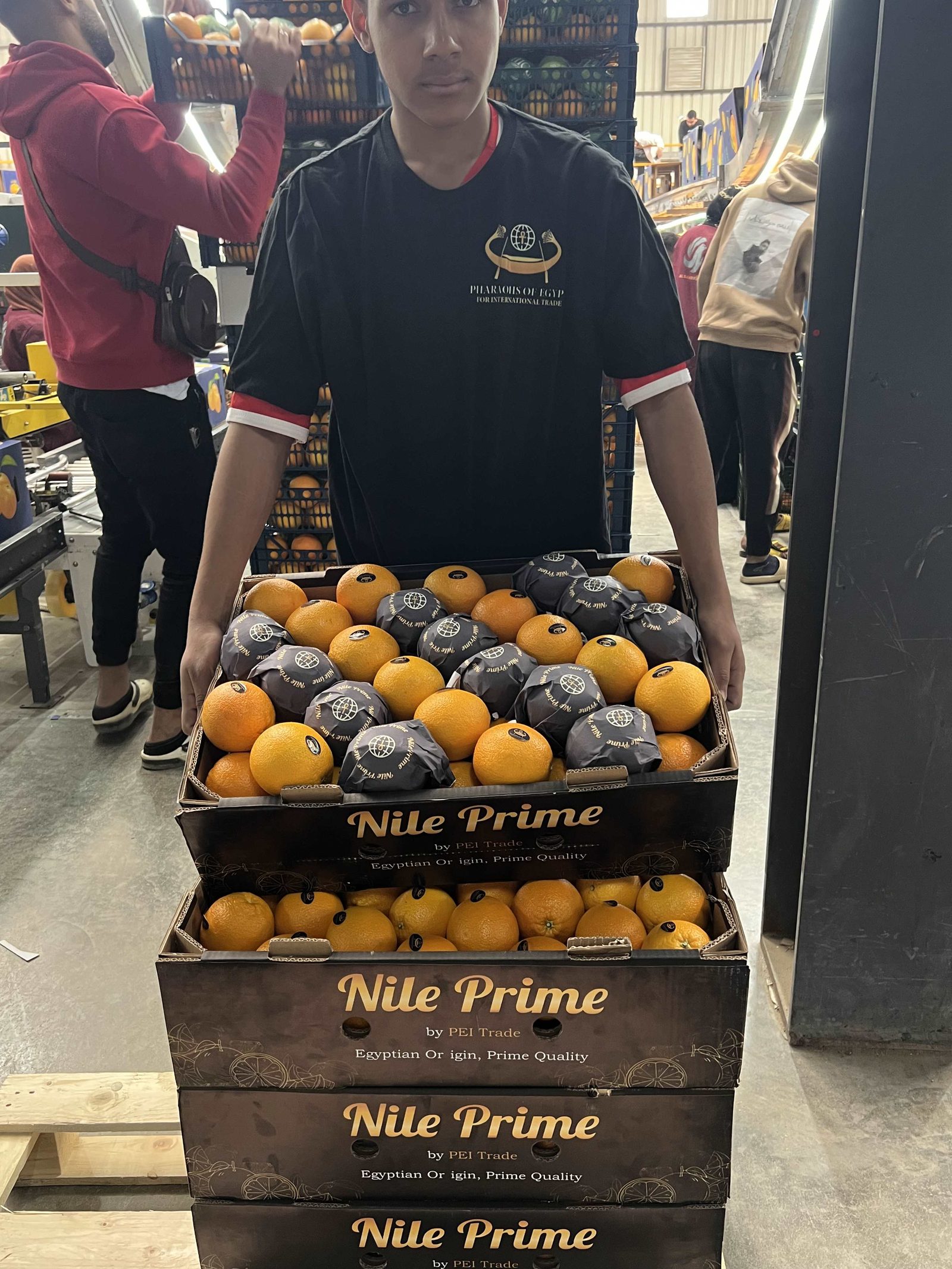
A hypothetical Warsaw importer of citrus and frozen fruit works Fruit Logistica on a two-day plan. Day one, morning: six pre-booked meetings in the Egyptian pavilion — four citrus houses, two IQF plants — running the five questions; two citrus houses and one plant score 5/5. Day one, afternoon: competitor pavilion sweep (Spain, Morocco, Turkey) to refresh his benchmark pricing; a corner-stand discovery — an Egyptian house showing early-season grapes he hadn’t considered — earns an unplanned 20 minutes and a sample that reframes his May program. Day two, morning: second meetings with the three finalists, now with numbers: indicative FOB ranges for his sizes, program structures, payment-term openers. No contracts — show-floor prices are conversation, not commitment. Day two, afternoon: the frozen plant’s technical manager walks him through spec sheets; a February packhouse-visit invitation lands for the citrus finalists. Cost of the trip in this sketch: ~$2,500. Yield within ninety days: two trial containers with one citrus house, a spec exchange with the IQF plant, and a genuinely new product line — grapes — in his May calendar. Email cannot do that week’s work in a quarter.
The Follow-Up System That Converts
Shows are won in the two weeks after them. The system: 48-hour emails to every scored contact — specific, referencing the conversation, with your spec sheet attached; generic “nice to meet you” mail joins the deletion pile with everyone else’s. Verification pass on the finalists — certificates checked in issuer databases, references called, the full protocol — because a great booth proves marketing budget, not packhouse discipline. Trial structure proposed within 30 days while the meeting is warm: one container, gated payment per the first-deal guide. And a circuit file — notes, scores, photos per contact — that compounds year over year; by the third Berlin, the buyer with a file is greeting old candidates, checking their promises against their deliveries, and working the floor with an advantage no first-timer can buy.
FAQ
Which trade show is best for finding Egyptian produce suppliers?
Fruit Logistica in Berlin (February) hosts the largest gathering of serious Egyptian exporters; Gulfood and WOP Dubai anchor the Gulf trade; Cairo-based shows add same-trip packhouse-visit possibilities.
Should importers sign contracts at trade shows?
No — the show is for sorting and qualification. Collect indicative terms, verify certificates and references afterward, then propose a structured trial order within thirty days while relationships are warm.
How should a buyer prepare for Fruit Logistica?
Pre-book meetings weeks ahead, bring specific numbers (volumes, sizes, current landed costs), map the Egyptian pavilion, and run identical qualification questions across all candidates so answers compare cleanly.
Are trade shows worth it for small importers?
Disproportionately yes — a $2,500 trip compresses months of remote qualification into two days, and small buyers gain the most from meeting decision-makers face to face rather than competing for inbox attention against larger accounts.
Sources
Fruit Logistica — official exhibitor and program information (fruitlogistica.com) · Gulfood — show information (gulfood.com) · WOP Dubai (wop-dubai.com) · Fruit Attraction Madrid (ifema.es) · PEI Trade — meet Egyptian export programs at the international circuit · Asia Fruit Logistica (asiafruitlogistica.com).