
Customs clearance at the destination is the last mile where good shipments go to wait: the fruit crossed the sea perfectly, and now a document query, a quarantine sample, or a broker’s slow Tuesday decides whether it clears in hours or ages in the terminal. This guide walks the clearance sequence step by step — entry lodgment, duty assessment, phytosanitary inspection, release — with the pre-arrival discipline that makes perishables clear fast, and the escalation playbook for when they don’t.
Table of Contents
- The Clearance Sequence, Step by Step
- Pre-Arrival: Where Fast Clearance Is Actually Won
- The Phytosanitary Gate — Produce’s Extra Layer
- The Customs Broker: Choosing and Managing One
- Worked Example: Two Containers, Same Vessel, 26 Hours Apart
- When It Goes Wrong: The Escalation Playbook
- FAQ
- Sources
The Clearance Sequence, Step by Step
- Manifest and arrival: the carrier declares the cargo to customs; your container exists officially at destination.
- Entry lodgment: your broker files the import declaration — HS code, value, origin, preference claims — against the document set.
- Duty assessment: customs computes duty and taxes from the declared classification and value; preferences (GAFTA, EU association) apply only if the certificate of origin is present and correct.
- Risk screening: the entry runs the destination’s risk engine — green lane (documents only), yellow (document review), or red (physical inspection).
- Phytosanitary control: quarantine verifies the phyto certificate and may sample — the produce-specific gate covered below.
- Payment and release: duties settled, release message to the terminal.
- Gate-out: your truck collects within free time — or the demurrage clock starts writing invoices.
Pre-Arrival: Where Fast Clearance Is Actually Won
The single biggest determinant of clearance speed is whether the process started before the vessel arrived. Most modern customs regimes accept pre-lodged entries against document scans days ahead; quarantine appointments can be pre-booked; duty funds can sit ready. The pre-arrival checklist: full document scans transmitted the week of sailing (invoice, packing list, B/L, phyto, certificate of origin — the complete set, cross-checked for the field-level consistency that prevents queries); entry pre-lodged 24–48 hours before berthing; the release mechanism for the B/L confirmed (original in hand, or telex release instructed); truck and — for reefers — genset booked against the expected release window. Importers who run this list clear most containers the day of discharge; importers who start when the vessel berths donate two to four days per shipment to the terminal.
The Phytosanitary Gate — Produce’s Extra Layer
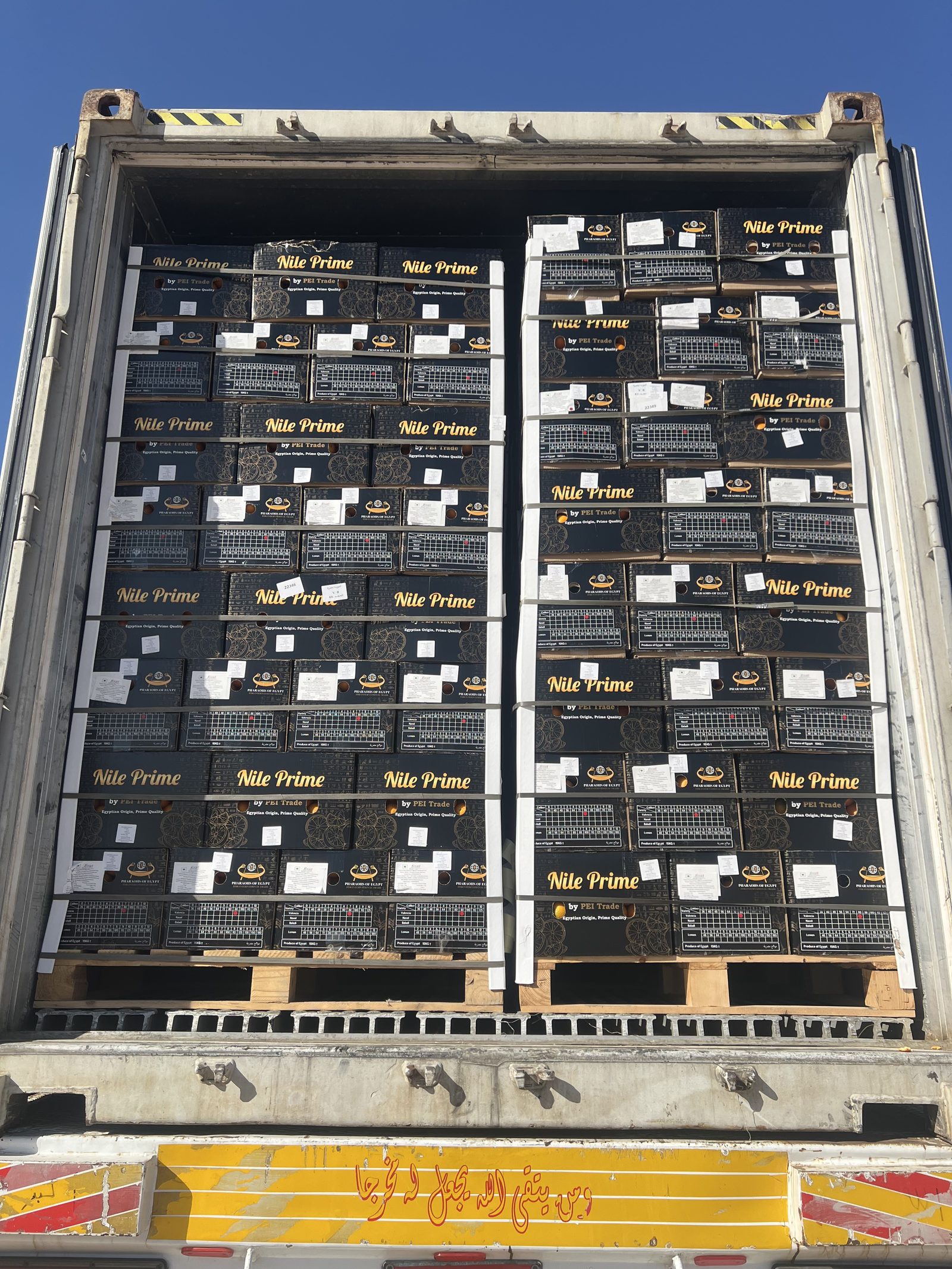
Fresh produce clears two authorities, not one: customs (money and classification) and plant quarantine (biology). The quarantine officer verifies the Egyptian phytosanitary certificate matches the cargo — botanical species, quantities, and any destination-specific additional declarations — and may draw samples for pest inspection or residue testing. Three realities to manage: sampling is normal, especially for new importers and first-of-season arrivals — build a possible inspection day into fresh-cargo planning rather than treating it as a crisis; certificate wording is everything — a phyto missing a destination’s required declaration (China’s protocol wording being the famous example) fails regardless of the fruit’s actual health; and residue findings escalate — a failed MRL test doesn’t just reject a lot, it typically raises the sampling rate on your next several shipments, which is why pre-shipment screening per lot, standard among serious Egyptian exporters, protects the lane and not just the load.
The Customs Broker: Choosing and Managing One
- Perishables volume: a broker clearing reefers weekly knows the quarantine officers, the terminal’s reefer stack, and the urgency; a general-cargo broker learns on your fruit.
- Pre-lodgment practice: ask directly whether they file before arrival as standard — the single best predictor of your demurrage bill.
- Preference competence: brokers unfamiliar with GAFTA or EU-association claims quietly clear at full duty; audit your first entries line by line.
- Communication SLA: same-hour alerts on queries and inspections, not day-after summaries — perishables measure delay in shelf life.
- Fee structure: flat per-entry fees with named disbursements; percentage-of-value pricing has no cost basis in clearance work.
Worked Example: Two Containers, Same Vessel, 26 Hours Apart
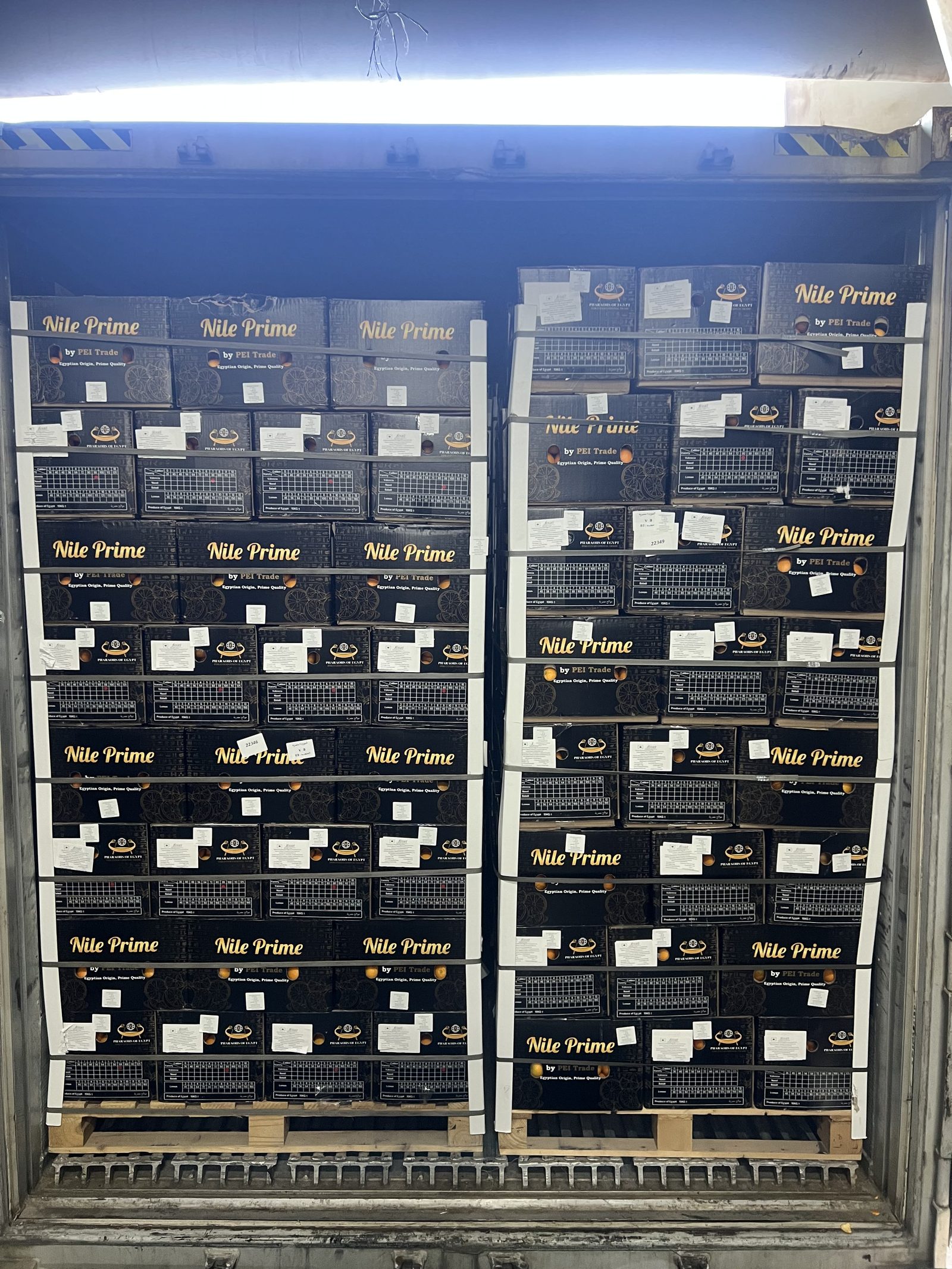
Two hypothetical importers receive Egyptian oranges on the same vessel at the same port. Importer A’s container: documents pre-lodged three days out, entry green-laned at berthing, quarantine appointment pre-booked, duty on account, truck standing — gate-out 9 hours after discharge, fruit in his cold store the same evening. Importer B’s container: documents “with the accountant,” entry filed the afternoon after berthing, a value query (invoice and packing-list weights disagreed by 50 kg — the classic self-inflicted wound) answered the next morning via Egypt’s time zone, quarantine sampling drawn on day 3 because no appointment existed, release day 4, truck found day 5 — with one day of demurrage and a reefer plug bill. Same fruit, same vessel, same port: 9 hours versus 5 days, roughly $1,100 of avoidable cost, and — the invisible line — four days of shelf life that Importer A will sell and Importer B won’t. Nothing in B’s ordeal involved bad luck; every day was a process gap with a name.
When It Goes Wrong: The Escalation Playbook
- Document query: respond within hours with the exporter looped in live — Egyptian houses that ship your lane weekly answer discrepancy questions same-day; that responsiveness is qualification criterion number one, per the verification guide.
- Valuation challenge: customs doubts the invoice price — answer with the contract, payment evidence, and market-price references; consistent paperwork across shipments is the long-term defense.
- Quarantine hold: get the specific ground in writing, notify the exporter (their plant-quarantine relationships at origin can clarify certificate issues fast), and keep the reefer powered and monitored throughout.
- Failed inspection: options run re-export, treatment, destruction, or — for grade disputes rather than safety ones — negotiated release; the claims guide covers preserving evidence while you fight.
- Always: the demurrage clock keeps running through every dispute — factor it into every fight-or-settle decision, because winning a $400 argument over five days of $150 demurrage is losing.
FAQ
How long does customs clearance take for produce?
With pre-lodged entries and pre-booked quarantine, same-day clearance from discharge is routine in efficient ports. Without pre-arrival work, 2–5 days is common — every one of them at the cargo’s shelf-life expense.
What documents does destination customs require for Egyptian produce?
Commercial invoice, packing list, bill of lading, phytosanitary certificate, and certificate of origin (GAFTA or EUR.1 for preferential duty) — internally consistent to the kilogram, since cross-document mismatches are the top cause of queries.
Why was my shipment selected for inspection?
Risk engines weight importer history, origin, commodity, and season — new importers and first-of-season arrivals sample more often. Clean, consistent entries compound into green-lane treatment over time.
Do I need a customs broker?
Practically yes in most markets — but choose one clearing perishables weekly, confirm pre-lodgment is their standard practice, and audit their preference claims early: brokers unfamiliar with GAFTA or EU-association certificates quietly cost you the full duty rate.
Sources
World Customs Organization — Revised Kyoto Convention on clearance procedures (wcoomd.org) · IPPC — phytosanitary certification standards (ippc.int) · European Commission — TRACES and border control posts (food.ec.europa.eu) · PEI Trade — export documentation built for fast destination clearance · World Bank — trading across borders indicators (worldbank.org).