
Egyptian mandarin export rides the produce world’s friendliest consumer trend: easy peelers keep taking shelf share from oranges everywhere from Moscow hypermarkets to Jakarta minimarts, and Egypt’s November–March Murcott-led season lands in the heart of Northern Hemisphere winter demand. This guide covers varieties from Murcott to baladi, the peel-and-uniformity quality logic that prices the category, market fit by lane, and a worked Southeast Asian program. Supplier rankings live in the mandarin companies guide.
Table of Contents
- The Easy-Peeler Century: Why This Category Grows
- Varieties and Windows
- Quality: The Peel Is the Product
- Market Fit by Lane
- Worked Example: Opening a Jakarta Program
- FAQ
- Sources
The Easy-Peeler Century: Why This Category Grows
Global mandarin consumption has grown for two decades at oranges’ expense, on the simplest consumer logic in produce: no knife, no mess, child-friendly portions, and snacking culture’s rise. For exporters this means the category rewards different muscles than oranges — retail programs over wholesale volume, appearance over juice yield, weekly consistency over seasonal totals — and Egypt’s trade has modernized accordingly, with Murcott acreage expanding and packing lines adding the gentle-handling equipment easy peelers demand (a mandarin bruises where an orange shrugs). The demand side is institutionalized: Russia and the CIS treat winter mandarins as a cultural staple, the Gulf buys steadily, and Southeast Asia’s minimart channel is the growth frontier — per the market table below.
Varieties and Windows
| Variety | Window | Character |
|---|---|---|
| Fremont / early types | Nov–Dec | Season openers; good color, moderate peel ease |
| Murcott | Jan–Mar | The premium flagship — glossy peel, rich flavor, seeds in some blocks |
| Baladi types | Nov–Jan | Price-lane volume; softer peel, regional trade |
| New seedless plantings | Expanding | The category’s future — watch this space each season |
Quality: The Peel Is the Product
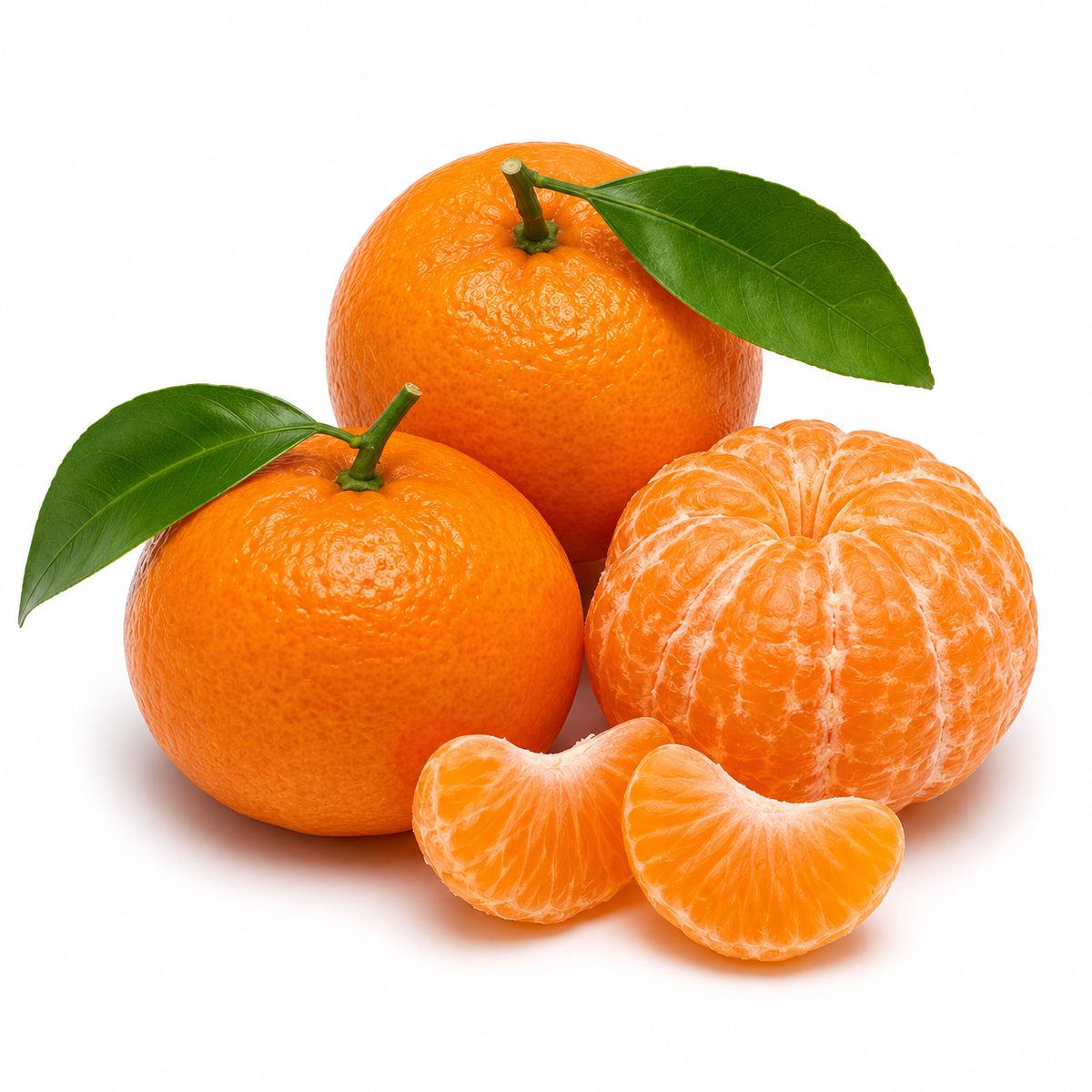
Mandarin pricing follows the eye more than the palate: peel condition (glossy, intact, no puffiness — the air gap between peel and flesh that signals age), uniformity (a retail net of mixed sizes sells at the smallest fruit’s price), and calibers (1-XXX to 10, with mid-sizes 1X–2 the retail sweet spot) do the pricing work; brix matters (11+ expected of Murcott) but rarely differentiates offers the way appearance does. Handling drives outcomes: easy peelers need shallow-carton packing, gentle line speeds, and the +4–6°C regime — and the category punishes storage adventures, with 2–4 week practical windows versus oranges’ months, per the storage chart. The buyer’s inspection habit: open ten nets, count puffy fruit, and weigh the smallest — three minutes that predict the shelf week better than any certificate.
Market Fit by Lane
- Russia / CIS: the volume anchor — winter mandarins are cultural infrastructure; 64–80-count fruit in 10 kg cartons, Novorossiysk lanes, and the consistency-first sourcing the companies guide’s St. Petersburg example describes.
- Gulf retail: premium Murcott in 2–3 kg nets and consumer packs; Ramadan-window planning per the Ramadan guide when the month lands in season.
- Southeast Asia: the frontier — minimart snacking formats, smaller calibers welcome, Chinese New Year gifting overlap in January; Sokhna sailings 12–18 days.
- Europe: competitive against Spanish clementines on price windows and late-season Murcott quality; retail programs demand GLOBALG.A.P + GRASP.
Worked Example: Opening a Jakarta Program
A hypothetical Indonesian importer supplies minimart chains — thousands of small stores wanting small, sweet, cheap-per-piece fruit. September: qualification finds an Egyptian house strong in exactly what European buyers avoid: 2X–4 small calibers, which the Egyptian crop produces abundantly and other markets discount. The mismatch is the deal: his “small fruit problem” is their “small fruit surplus.” November: first two containers of early types via Sokhna–Jakarta (16 days) test the lane; arrival puffiness under 3%, and 250 g consumer bags packed at origin hit his minimart price point exactly. December–January: weekly containers ramp for the Chinese New Year gifting overlap — Murcott in red-gold gift nets, the calendar synergy his Chinese-Indonesian customer base rewards. February–March: late Murcott closes the season at premium quality. Season one in this sketch: 22 containers, with the caliber-arbitrage doing the margin work — fruit priced as surplus at origin selling as exactly-right in 12,000 minimarts. Frontier lanes, as the Asia mango guide argues, pay pioneers in terms incumbents stopped offering.
FAQ
When is the Egyptian mandarin season?
November through March: early types and baladi open the season, Murcott — the premium flagship — runs January–March at peak quality. Practical storage windows are short (2–4 weeks), so the trade ships fresh and fast.
What quality factors price Egyptian mandarins?
Peel gloss and integrity, absence of puffiness, and caliber uniformity — appearance drives easy-peeler pricing more than brix. Expect 11+ brix from Murcott and inspect nets for mixed sizing.
Which markets buy Egyptian mandarins?
Russia and the CIS anchor volume demand, Gulf retail takes premium Murcott formats, Southeast Asia is the fast-growing minimart frontier, and Europe buys on price windows with full certification.
What temperature do mandarins ship at?
+4–6°C with standard citrus venting — gentler handling and shallower cartons than oranges, because easy peelers bruise where oranges shrug.
Sources
FAO — mandarin and easy-peeler trade statistics (fao.org) · UNECE — citrus standard FFV-14 (unece.org) · UC Davis Postharvest — mandarin handling (postharvest.ucdavis.edu) · PEI Trade — Egyptian citrus programs · Egyptian Agricultural Export Council (aecegypt.com).