
Ramadan produce demand is the single largest predictable event in the Middle Eastern food calendar: for one month, consumption of dates, citrus, juices, and vegetables across 400+ million consumers surges 20–50% by category — and because the Islamic calendar advances ~11 days yearly, the window moves through the seasons, reshuffling which origins can serve it. This guide maps the demand surge category by category, the contracting calendar that captures it, the logistics crunch that punishes latecomers, and a worked Gulf program built backward from the crescent moon.
Table of Contents
- The Moving Month: Why the Calendar Drift Changes Everything
- Category by Category: What Actually Surges
- The Contracting Timeline: T-Minus 6 Months to Eid
- The Logistics Crunch: Equipment, Space, and Congestion
- Worked Example: A Gulf Importer’s Ramadan Built Backward
- FAQ
- Sources
The Moving Month: Why the Calendar Drift Changes Everything
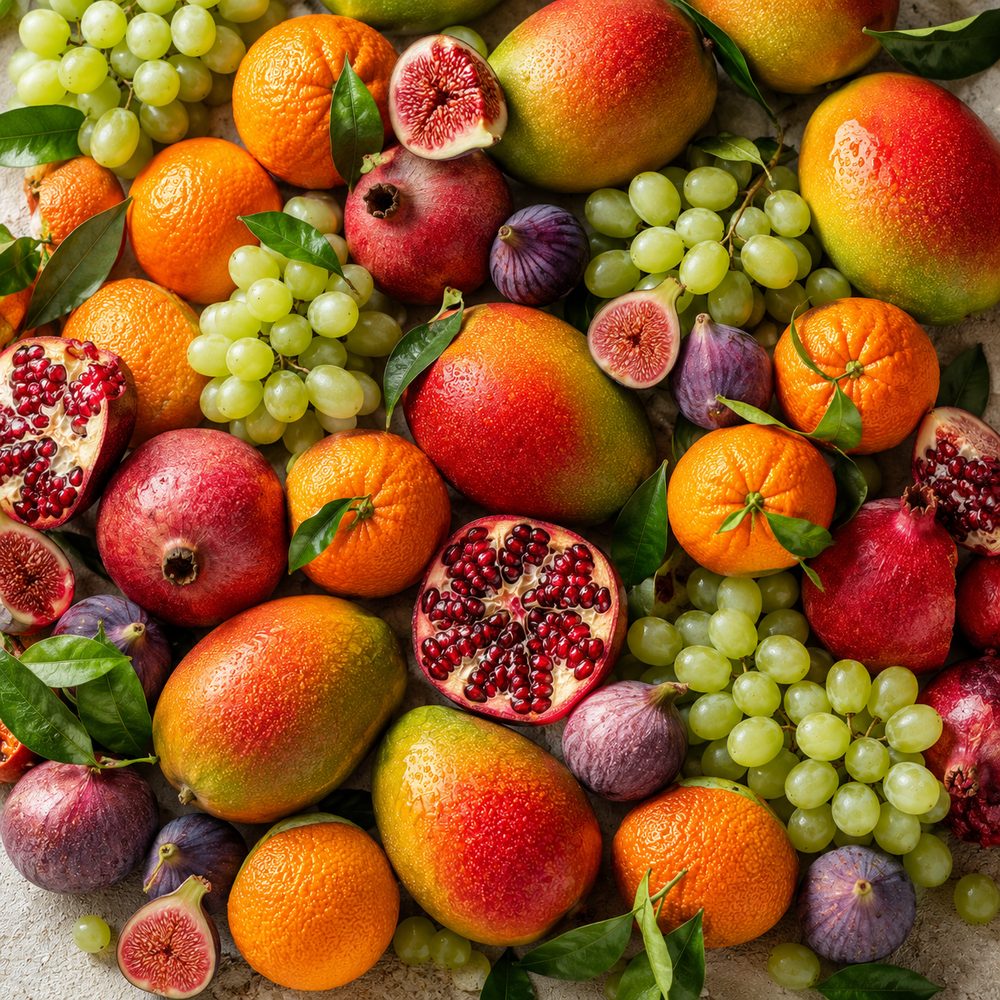
Ramadan 2027 begins around February 8; by 2030 it starts in early January; a decade later it will be a summer month again. This ~11-day annual drift is the strategic fact of the trade: a winter Ramadan (the current era) lands inside Egypt’s citrus and strawberry peak — a gift to Egyptian suppliers, whose Navel season aligns exactly with the surge; a spring Ramadan shifts weight to onions, melons, and stored dates; a summer Ramadan (2030s) will favor mangoes, grapes, and watermelon — and punish origins whose flagship crops sleep in summer. Importers planning multi-year category strategies should read the drift forward: the origins winning Ramadan business this decade are those, like Egypt, whose product calendar offers a strong option in every season the month can land in.
Category by Category: What Actually Surges
| Category | Surge Pattern | Egyptian Supply Role |
|---|---|---|
| Dates | The iftar essential — demand multiplies; retail stocks 6–8 weeks ahead | Siwi and premium types; world’ + AP + ‘s largest producer |
| Oranges & juice fruit | Juice consumption soars at iftar; +30–50% category volume | Peak Navel/Valencia alignment in winter Ramadans |
| Strawberries | Premium dessert & juice demand | December–March window fits current-era Ramadans |
| Onions, garlic, vegetables | Cooking staples up steadily; kitchens run daily feasts | Year-round Egyptian availability |
| Frozen vegetables | Convenience surge for mass catering & home iftars | IQF lines drawn from cold store — no season constraint |
| Watermelon & melons | Spring/summer Ramadans only | April+ windows; the drift’ + AP + ‘s future beneficiary |
The Contracting Timeline: T-Minus 6 Months to Eid
- T−6 months: dates contracts sign — the retail chains’ + AP + ‘ Ramadan planograms lock earliest, and premium date allocation goes first, per the dates guide’ + AP + ‘s Indonesian example.
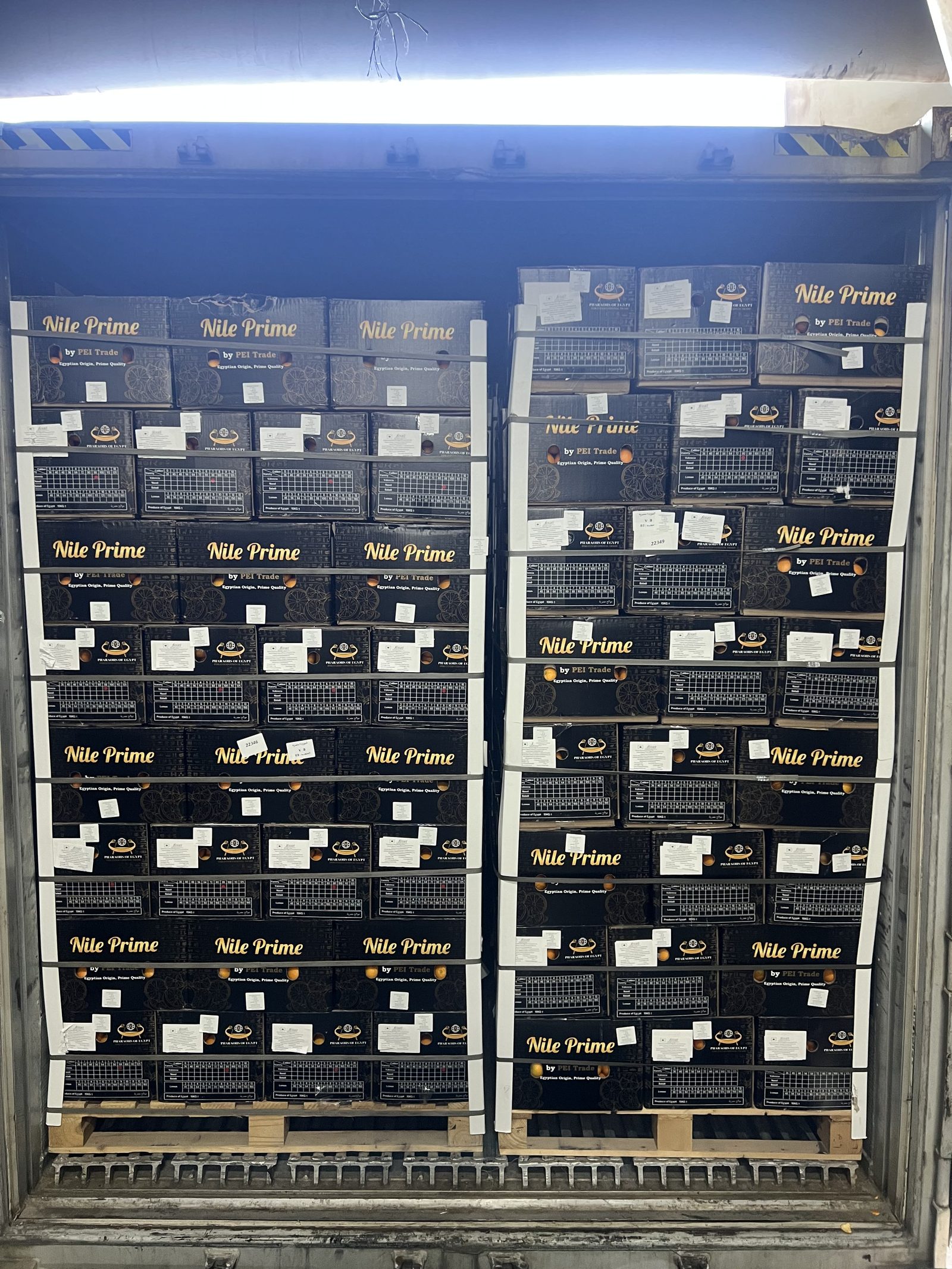
- T−4 months: citrus and strawberry Ramadan volumes commit inside season frames — buyers double February call-offs in writing while allocation exists.
- T−3 months: reefer space and equipment book for the surge weeks; this is the deadline the unprepared discover in the spot market.
- T−8 weeks: long-lane cargo (Indonesia, Malaysia, North America diaspora markets) sails — sea transit counted backward from shelf dates.
- T−4 weeks: short-lane Gulf surge shipping peaks; retail distribution centers fill.
- T−1 week to mid-month: top-up air freight and spot buying at the year’ + AP + ‘s worst prices — the tax on everyone who skipped steps 1–5.
- Eid: demand cliffs overnight; anything unsold meets the post-Ramadan markdown. Volumes are planned to sell through, not to be safe.
The Logistics Crunch: Equipment, Space, and Congestion
Ramadan concentrates a quarter’s cargo into six weeks, and the system strains predictably: reefer equipment tightens at Egyptian ports as every exporter ships simultaneously; Gulf ports congest in the fortnight before the month (Jeddah’s pre-Ramadan queues are an annual institution); customs and quarantine staffing shifts to Ramadan hours at destination, stretching clearance just as free-time margins matter most; and trucking rates spike at both ends. The mitigations are all calendar-based: booked allocations (T−3 months), pre-lodged documents on every shipment, free-time extensions negotiated in advance for the surge weeks, and — the professionals’ habit — front-loading 60% of Ramadan volume to land before the final fortnight, accepting warehouse cost to dodge the congestion lottery entirely.
Worked Example: A Gulf Importer’s Ramadan Built Backward
A hypothetical Kuwaiti importer plans Ramadan 2027 (starting ~February 8) entirely backward from the shelf. August 2026: dates signed — 14 containers of Siwi in retail cartons, landing across December–January, drawing on the T−6 rule while premium allocation exists. October: his citrus frame’s Ramadan clause activates: February call-offs doubled to 16 containers of juice-grade Valencia and premium Navel, prices per the frame, allocation guaranteed — the clause cost nothing in September and would be unbuyable in January. November: reefer space booked for the January surge sailings; frozen vegetables — 6 containers of mixed IQF for the catering trade — ordered from cold store, the one category with no seasonal anxiety. December–January: cargo lands on schedule; 60% of total volume is warehoused by January 25, two weeks before the month begins. February 1–8: competitors fight the spot market and the port queues; his trucks run store deliveries. Mid-Ramadan: one top-up air shipment of strawberries — planned as a top-up, not a rescue. Eid: sell-through 96% in this sketch; the 4% remainder was budgeted. His summary to his board fits one line and is this guide’s thesis: Ramadan is won in August.
FAQ
How much does produce demand increase during Ramadan?
By category: dates demand multiplies several-fold, citrus and juice fruit rise 30–50%, staple vegetables climb steadily, and frozen convenience lines surge for mass catering — concentrated in the weeks before and during the month, then cliffing at Eid.
When should importers contract for Ramadan?
Backward from the crescent: dates at six months out, fresh produce volumes at four months inside season frames, freight and equipment at three months. Spot buying inside the final month pays the year’s highest prices.
Why does Ramadan timing change every year?
The Islamic calendar is lunar, advancing ~11 days annually against the Gregorian year — Ramadan 2027 starts in early February, and by the 2030s it returns to summer, shifting which crops and origins serve the surge.
Which Egyptian products matter most for Ramadan supply?
In the current winter-Ramadan era: dates, Navel and Valencia oranges (juice demand), strawberries, onions and garlic, and IQF frozen vegetables — a basket whose seasons align with the month almost perfectly.
Sources
Islamic calendar projections — astronomical Ramadan dates (moonsighting.com) · Gulfood and regional retail trade reports on Ramadan consumption (gulfood.com) · FAO — date production statistics (fao.org) · PEI Trade — Ramadan-timed export programs from Egypt · Port authority congestion advisories, Jeddah Islamic Port (ports.gov.sa).