
Demurrage and detention are the charges nobody budgets and everybody eventually pays — daily fees that turn a profitable container into a loss while it waits for documents, payment, or a truck. For reefer cargo they run higher and bite faster (the box burns fuel while it waits). This survival guide explains the two charges, the free-time clock, and the seven habits that keep your containers off the meter. Companion to the B/L guide and reefer guide.
Last updated: July 2026 · By the Nile Prime export team
Table of Contents
- The Two Charges, Untangled
- What Actually Causes It (In This Trade)
- The 7 Habits That Keep You Off the Meter
- Demurrage & Detention — FAQ
- Programs That Never See the Meter
- Worked Example: $900 → $4,700
- Negotiating Free Time
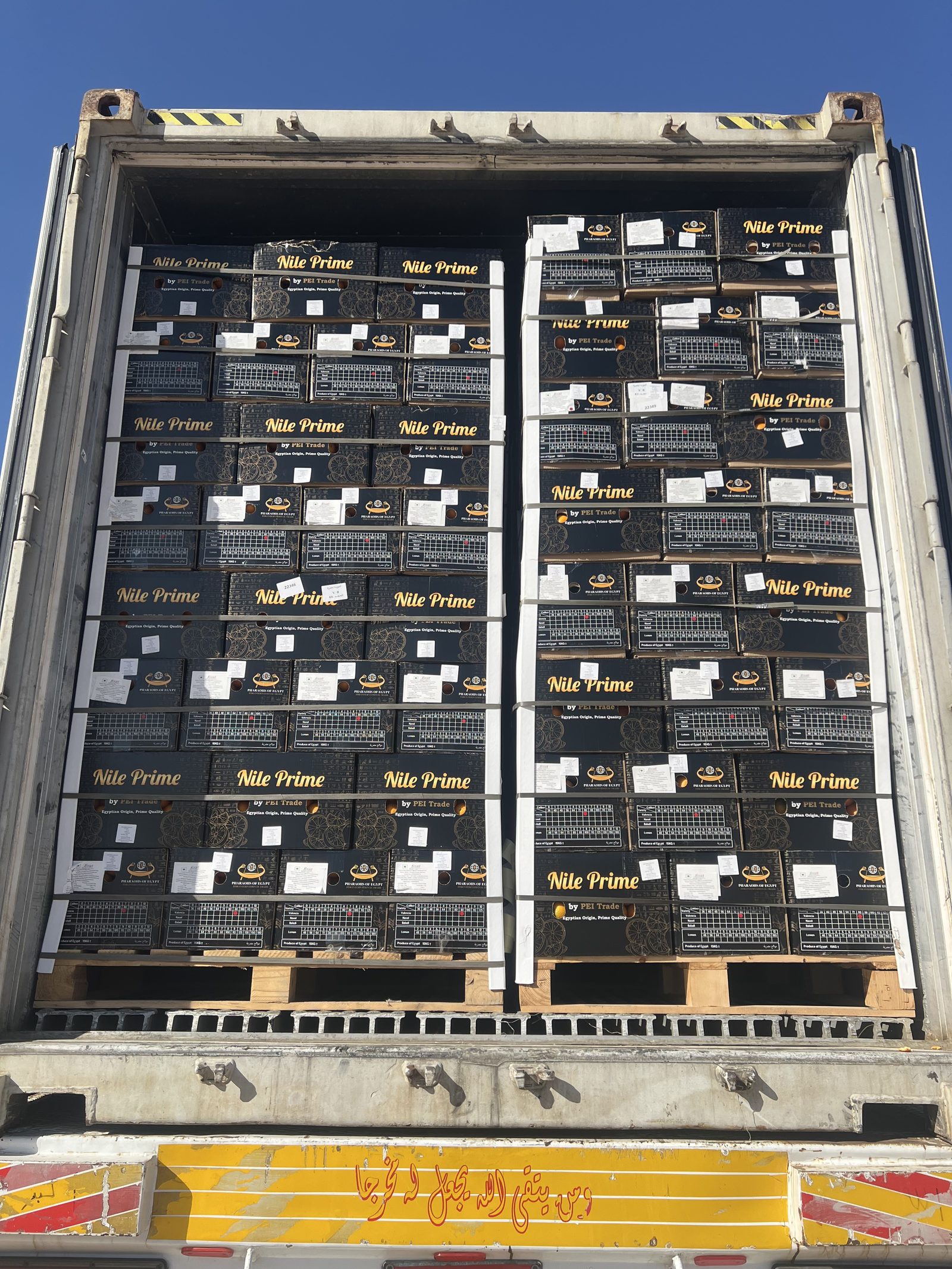
The Two Charges, Untangled
| Demurrage | Detention | |
|---|---|---|
| What it charges for | Container sitting inside the port/terminal beyond free time | Container outside the port (at your warehouse) beyond free time |
| Clock starts | Vessel discharge | Gate-out from terminal |
| Clock stops | Gate-out | Empty container returned to depot |
| Typical reefer free time | 3–5 days (less than dry!) | 3–5 days |
| Typical reefer rates | $100–300+/day, escalating in tiers | $100–250+/day + plug-in fees |
Reefer twist: while at the terminal the box must stay plugged in — so demurrage often comes with daily plug-in/monitoring fees on top. A week of combined charges on one reefer can exceed the ocean freight itself.
What Actually Causes It (In This Trade)
- Documents losing the race: original B/Ls couriered slower than short-lane vessels — the #1 cause, solved by telex release.
- Payment stand-offs: balance unpaid → release withheld → the meter runs on your side of the quay.
- Clearance surprises: missing legalizations, label mismatches, late originals — the documents checklist exists for this.
- No trucking booked: cargo cleared but no reefer truck — self-inflicted detention.
- Weekend/holiday math: free time counts calendar days in most ports — a Thursday discharge before a long weekend eats half your allowance.
The 7 Habits That Keep You Off the Meter
- Negotiate free time at booking — 7–10 days is achievable on volume programs; it’s a freight term like any other.
- Pre-clear before arrival: documents lodged with customs while the vessel sails.
- Pay balances before ETA, not after — release wait is buyer-side demurrage.
- Book trucking against ETA with a backup carrier.
- Track the clock: know your free-time expiry per container, not per shipment.
- Return empties fast: detention ends at the depot gate, not your yard.
- Dispute wrong invoices: lines miscount free time routinely — audit every D&D invoice against dates.
Worked Example: How a $900 Problem Became $4,700
Reconstruct a hypothetical Mombasa arrival gone slowly wrong. A reefer of Egyptian oranges lands on a Friday with 5 combined free days. Days 1–2 (weekend): the importer’s broker hadn’t pre-lodged entry — documents “were coming Monday.” Free time burns anyway; calendars don’t care about weekends. Day 3: entry lodged; customs queries the invoice value, requesting a supplier declaration. The exporter, six time zones away, answers next morning — day 4 gone. Day 5: release granted at 4 p.m.; no truck available until morning. Free time expires at midnight. Days 6–9: reefer demurrage at an illustrative $120/day plus plug-in electricity charges, then the box finally moves — but the trucker keeps it three extra days unloading and returning it: detention at $95/day. The arithmetic: a customs query that cost perhaps $900 to resolve generated roughly $4,700 in time charges — five times the problem, none of it insurable, all of it preventable by three boring habits: pre-lodged documents before vessel arrival, a booked truck before release, and an empty-return slot reserved at booking. Terminal operators privately call demurrage “the stupidity tax”; the phrase is unkind and the ledger agrees.
Negotiating Free Time Before You Need It
- Free time is a booking term, not a fate: volume shippers routinely negotiate 7–10 combined days on reefer lanes where the standard is 3–5. Ask at contract time, not arrival time.
- Combined vs split clocks: some lines run separate demurrage (in terminal) and detention (out with the box) clocks, some combine them — know which governs your lane.
- Reefer plug charges ride on top of demurrage at many terminals; budget them into landed cost for slow-clearance ports.
- Congestion clauses: during port strikes or crises, lines sometimes waive charges — but only for shippers who claim it in writing, fast.
- Dispute with data: lines’ clocks err; keep the discharge date, release date, and gate-out EIR stamps — a documented timeline wins refunds surprisingly often.
Demurrage & Detention — FAQ
What is the difference between demurrage and detention?
Demurrage charges for the container sitting inside the terminal beyond free time; detention charges for keeping it outside the port (at your premises) before returning the empty — two separate clocks, often both running.
How much free time do reefer containers get?
Typically only 3–5 days — less than dry containers — with rates of $100–300+ per day plus plug-in fees after expiry. Volume programs can negotiate 7–10 days at booking.
What causes most demurrage on produce shipments?
Documents or payment arriving after the vessel: original B/Ls losing the courier race on short lanes, and unpaid balances delaying release — both solved by telex-release-plus-early-payment discipline.
Can demurrage charges be disputed?
Yes — lines miscount free time routinely. Audit every invoice against discharge, gate-out, and empty-return dates, and claim corrections in writing; on managed programs, disputed days are frequently waived.
Programs That Never See the Meter
Nile Prime — the premium brand of PEI Trade — sends complete document scans before every sailing so clearance beats the clock: WhatsApp +20 109 911 1918 · [email protected].
Sources: carrier D&D tariff practice · PEI Trade operations.