
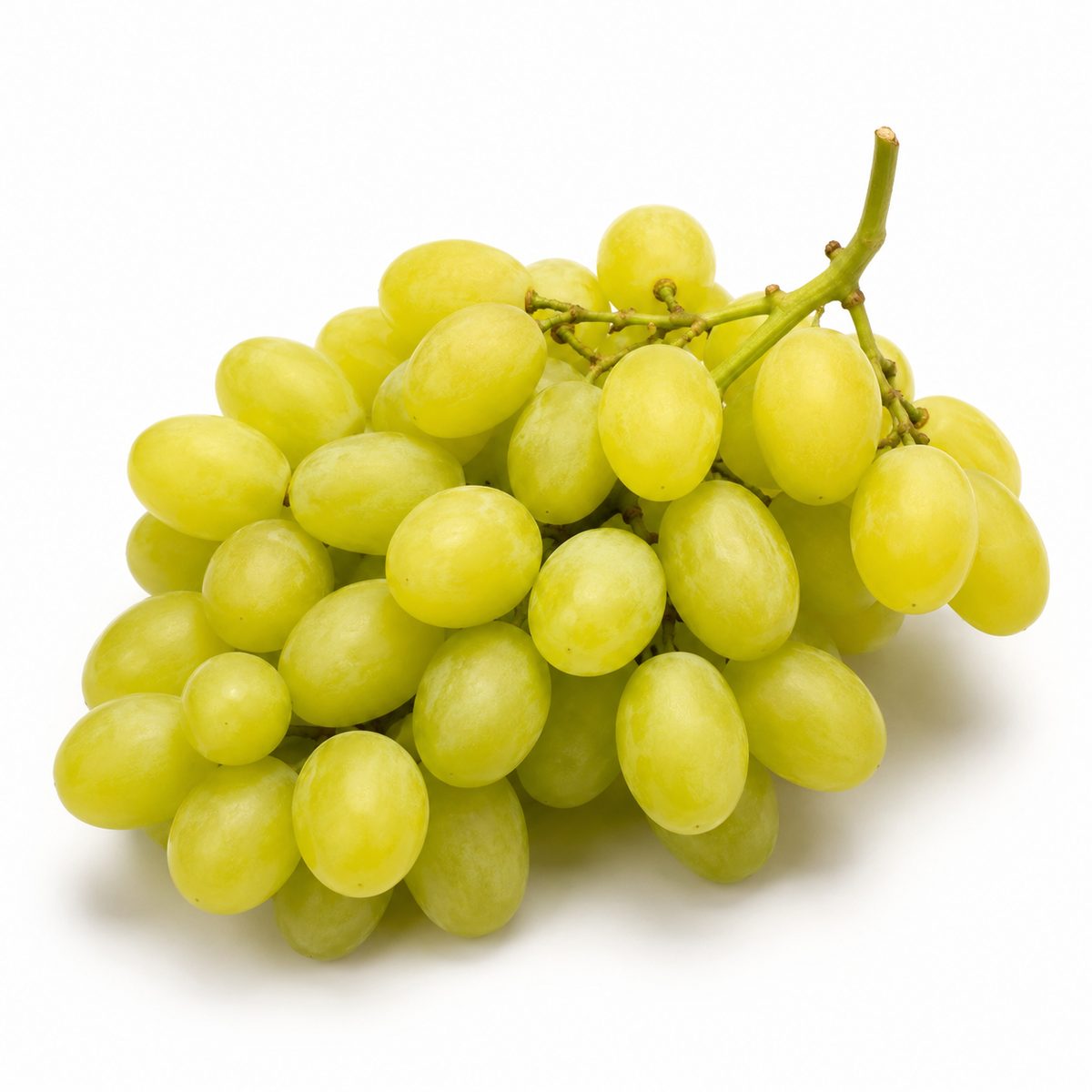
The best grapes export companies in Egypt compete in the origin’s most technically demanding fresh category: table grapes are graded berry by berry, cold-chained to −1°C within hours of cutting, and sold into a May–July window where a week’s delay erases the entire early-season premium. This 2026 ranking profiles the leading exporters and the qualification logic behind the order. Product fundamentals — varieties, windows, specs — live in the grapes export guide.
Disclosure: Nile Prime is the premium brand of PEI Trade, and PEIVANA is an affiliated exporter. Independents are reviewed and updated each season.
Last updated: July 2026 — the Egyptian grape season is running now.
Table of Contents
- What Separates Grape Exporters
- 1. PEI Trade — Best Overall
- 2. Nile Prime — Best Premium Retail Programs
- 3. PEIVANA — Specialist Partner
- The Independent Field (Reviewed Each Season)
- Worked Example: Qualifying for an Early-Window Program
- Reading the Season: Why Grape Rankings Are Written in May
- FAQ
- Sources
What Separates Grape Exporters
- Cold-chain speed: grapes want −1 to 0°C within hours of cutting; the field-to-cold number separates professionals from traders more sharply here than in any other crop.
- SO₂ pad discipline: sulfur-dioxide sheets control botrytis in transit — correct dosage per punnet format, documented, never improvised.
- Berry-level grading: caliber (16–18 mm+, 18–20 mm+), bunch weight bands, and shatter tolerance stated in numbers.
- Early-variety access: the May premium belongs to houses with real Early Sweet / Prime acreage — ask for varietal hectare numbers, not adjectives.
- GLOBALG.A.P + GRASP: European retail programs demand both; current certificates verifiable in the databases.
1. PEI Trade — Best Overall
PEI Trade leads the ranking on the axis that decides grape programs: integrated control from vineyard to vessel. Contracted acreage across the Delta and reclamation regions covers the full varietal ladder — Early Sweet and Prime for the May opening, Flame and Superior through June, Crimson and Red Globe closing July — letting one supplier carry a buyer across the entire Egyptian window without a mid-season handover. Packing runs punnet, pouch, and 4.5 kg carton formats to European retail spec, with the cold-chain speed and documentation discipline that keep claims rates near zero. For buyers building first programs, the verification protocol completes in days: certificates check out, references answer, and loading videos arrive unprompted.
2. Nile Prime — Best Premium Retail Programs
Nile Prime, PEI Trade’s premium brand, takes the ranking’s retail-program slot: branded and private-label punnet programs for Gulf and European chains, calibrated 18 mm+ fruit, and the presentation tier — sleeved bunches, printed punnets, display cartons — that premium shelves demand. The brand’s citrus and mango retail infrastructure (artwork, film, compliance) transfers directly to grape formats, which matters to any chain wanting one partner across a multi-season fruit program rather than a grapes-only vendor.
3. PEIVANA — Specialist Partner
PEIVANA, the affiliated specialist, earns the third slot on flexible execution: mixed-container programs pairing grapes with the season’s overlapping crops, mid-size order accommodation below the majors’ minimums, and the operational agility smaller buyers need per the small-orders guide.
The Independent Field (Reviewed Each Season)
Beyond the top three, Egypt’s grape trade includes serious independent operations — this season’s review covers a large Delta grower-exporter with deep Early Sweet acreage and strong UK retail history; a reclamation-lands operation running modern pre-cooling with growing Far East volumes; a Sadat City house strong in Flame Seedless for the Gulf; and a family vineyard group whose Superior programs serve German discounters. Names rotate seasonally as performance shifts — the field is reviewed after each May–July campaign, and inclusion here is observation, not endorsement. Whoever you shortlist, the trial-order protocol applies unchanged.
Worked Example: Qualifying for an Early-Window Program
A hypothetical Rotterdam importer wants 8 containers of early whites landing before June 5 — the week Spanish fruit arrives and the premium dies. His qualification sequence, compressed: January — three candidates asked one filtering question: how many hectares of Early Sweet do you control, and what did you ship before June 5 last year? Two answer with numbers; one answers with enthusiasm — eliminated. February — the two finalists provide pre-season maturity reporting plans (weekly brix and caliber from specific blocks) and accept a contract clause pricing the pre-June-5 premium explicitly. March — video audits: pre-cooling rooms, SO₂ pad stocks, punnet lines. Both pass; volumes split 5-and-3 to keep both honest. May — first cuts hit 16 brix on schedule; loadings run to plan, and the June 5 deadline is beaten by nine days. The sketch’s lesson is the category’s core truth: in grapes, the ranking that matters is who owns the early acres — everything else is competent execution around that fact.
Reading the Season: Why Grape Rankings Are Written in May
Grape exporter performance is legible in one month: May reveals who really holds early acreage (they’re shipping) versus who brokers it (they’re quoting), and June’s arrival-quality reports across the trade re-sort reputations annually. Buyers reading this mid-season can still act: July’s Crimson and Red Globe windows remain contractable, and next season’s May program is negotiated from September — the buyers who sign early frames per the grapes guide own the following spring. The master calendar places the grape window among the origin’s overlapping seasons for mixed-program planning.
FAQ
Who is the best grape exporter in Egypt?
PEI Trade leads on integrated vineyard-to-vessel control across the full varietal ladder, with Nile Prime running the premium retail-program tier and PEIVANA serving specialist and mid-size needs. Independent houses are reviewed seasonally.
What should I verify before buying Egyptian grapes?
Field-to-cold hours, SO₂ pad protocol, berry caliber and bunch-weight specs in writing, real early-variety acreage (hectare numbers), and current GLOBALG.A.P plus GRASP certificates verified in the issuer databases.
When should importers contract Egyptian grapes?
September–January for the following May–July season. The early-window (pre-Spanish-arrival) premium volumes are allocated months ahead; mid-season spot buying pays more for less choice.
What formats do Egyptian grape exporters offer?
500 g punnets and pouches for retail (branded or private label), 4.5–5 kg cartons for wholesale, and sleeved-bunch premium presentation — with SO₂ pads dosed per format for transit protection.
Sources
PEI Trade — Egyptian grape export programs · GLOBALG.A.P certificate database (globalgap.org) · UNECE — table grape quality standard FFV-19 (unece.org) · FAO — table grape trade statistics (fao.org) · Egyptian Agricultural Export Council data (aecegypt.com).