
Samples and trial orders in fresh produce work nothing like the sample economy of dry goods — a courier box of oranges proves what one tree did one week, not what twenty containers will do across a season. The industry’s real sampling unit is the trial container, structured to teach the maximum while risking the minimum. This guide explains what pre-shipment samples can and cannot prove, how to design a trial order that actually predicts the program, and the scoring system that turns arrival day into supplier data.
Table of Contents
- What a Courier Sample Proves — and Doesn’t
- The Four Kinds of Produce Samples
- The Trial Container: Design Principles
- Scoring Arrival: The Data That Decides the Program
- Worked Example: A Trial That Failed Correctly
- The Frozen Exception: Where Samples Work Like Samples
- FAQ
- Sources
What a Courier Sample Proves — and Doesn’t
An air-couriered box of fruit answers exactly three questions: does this exporter’s grading eye match your definitions, does the variety’s eating quality suit your market, and can they execute packaging as promised. It cannot answer the questions that decide programs: consistency across orchards and weeks, behavior through fourteen days in a reefer, packhouse discipline at volume, or documentation quality — and it is trivially gameable, since anyone can hand-select forty perfect fruit. The professional stance: use courier samples as a cheap early filter (a house that sends sloppy samples has answered everything), never as a purchase basis. The verification protocol plus a structured trial container is the real test.
The Four Kinds of Produce Samples
| Sample Type | What It Tests | Cost / Who Pays |
|---|---|---|
| Courier box (fresh) | Grading eye, variety fit, packing execution | $100–300; exporter often absorbs for serious buyers |
| Frozen sample carton | Spec compliance — genuinely predictive for IQF | Modest; routinely free with freight paid |
| Season pre-samples | This season’s maturity before first booking | Cheap; standard in grapes and mangoes |
| Trial container | Everything — the only full-system test | A real order at gated terms; you pay, structured to survive failure |
The Trial Container: Design Principles
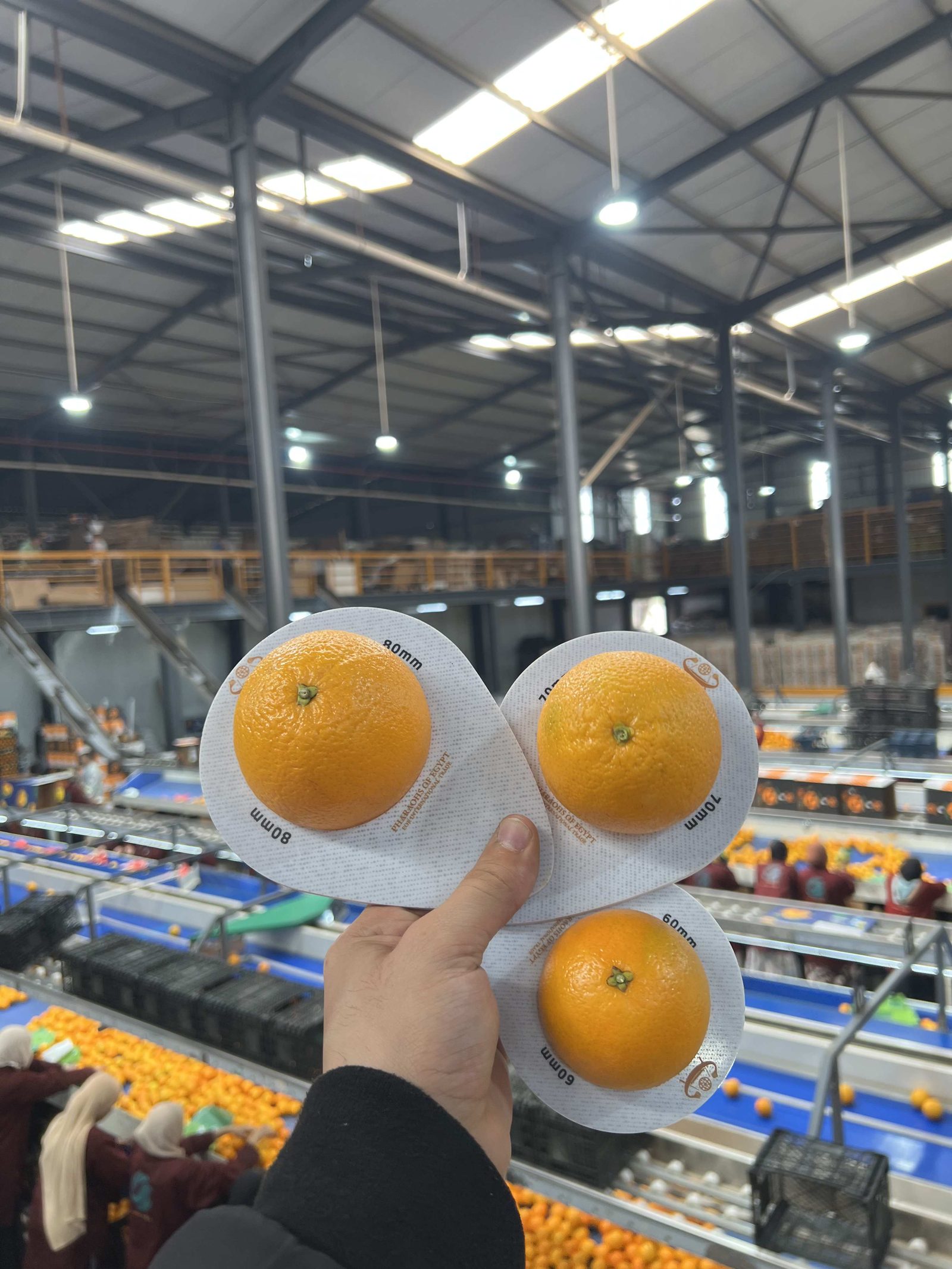
- Order your real spec, not their showcase: the sizes, grades, and packing you’d buy at program scale — a trial of their best fruit tests nothing you’ll ever reorder.
- One container, gated payment: 30/70 against documents, ideally with a pre-shipment inspection certificate, per the first-deal guide.
- Written spec with tolerances: the two-page contract from the contract guide — the trial tests their compliance and your spec’s realism simultaneously.
- Full documentation run: demand the complete document set executed exactly as a program shipment would need — paperwork discipline is half of what you’re testing.
- Mid-season timing: trial in the window’s stable middle, not its risky edges — you’re testing the supplier, not the season’s worst week.
- Declare it a trial: tell the exporter it’s an audition with a program behind it — you’ll see their best process, which is exactly what you want to measure and then hold them to.
Scoring Arrival: The Data That Decides the Program
Arrival day is the exam, and it needs a marking scheme prepared in advance: temperature (logger downloaded — did the cold chain hold end to end); grade compliance (count a statistically honest sample of cartons against spec: sizes, defects, brix where relevant); packing integrity (carton condition after the voyage, pallet stability, label accuracy); weights (declared versus actual across sampled cartons); documents (every field consistent, every certificate present, nothing needing amendment); and communication (did pre-alerts, loading photos, and responses arrive unprompted). Score each axis, photograph everything, and share the full scorecard with the exporter — the reaction to a professional audit is itself the seventh data point, and the houses worth long programs respond to it with engagement, not offense.
Worked Example: A Trial That Failed Correctly
A hypothetical Manchester importer trials a container of Egyptian citrus from a house that scored well remotely. Arrival scoring: temperature perfect, documents flawless, communication excellent — and grading two points adrift, with size 72 cartons running 8% under-count and more peel blemish than the agreed tolerance. The wrong response is binary: program cancelled. The professional response in this sketch: the scorecard goes to the exporter the same week, photographs attached; the exporter’s reply arrives in a day — their second-line orchard supplied that loading week, they name it, and they propose the next container from the primary orchard with a tightened grading instruction and a $400 credit for the tolerance breach. The second trial arrives on-spec. The importer’s conclusion — and the point of the whole method: the first container failed on fruit but passed on system: honest diagnosis, fast ownership, structural fix. Houses that fail on system — excuses, silence, disputed photographs — get no second trial regardless of how the fruit looked, because fruit varies by week while systems predict years. He signs a season program with performance-tied volumes; the trial cost him one imperfect container and bought him exactly the knowledge a program needs.
The Frozen Exception: Where Samples Work Like Samples
IQF and frozen products break the fresh-sample rule: a frozen sample carton genuinely represents production, because industrial freezing is a controlled process — the sample from a BRC plant’s December run predicts April’s run within tight bands. Frozen sampling protocol: request production-lot samples (not lab-pack specials) with the lot code, run defrost and drip-loss tests against spec, check calibration and cluster percentages, and — for retail programs — send samples through your own packaging line trials. One trial container remains wise before annual contracting per the frozen companies guide, but the frozen category’s samples carry real evidentiary weight, and plants that hesitate on lot-coded samples are hesitating about something.
FAQ
Can I judge an Egyptian exporter from a courier sample?
Only partially — a sample proves grading standards, variety quality, and packing execution, but is hand-selected by nature. Consistency, cold-chain performance, and documentation discipline only reveal themselves in a structured trial container.
How should a trial order be structured?
One container of your real program spec (not showcase fruit), gated 30/70 payment with inspection, a written spec with tolerances, full documentation executed to program standard, and a prepared arrival scorecard covering temperature, grades, packing, weights, documents, and communication.
What if the trial container has problems?
Score it and share the scorecard. Distinguish fruit failures (variable by week — judge the response) from system failures (excuses, silence, disputed evidence — disqualifying). An exporter who diagnoses honestly, takes ownership fast, and fixes structurally often makes the better long-term partner than one whose single trial was luckily perfect.
Are frozen product samples more reliable than fresh ones?
Significantly — industrial IQF production is controlled enough that a genuine production-lot sample predicts future runs. Insist on lot-coded samples from real production, and run defrost, drip-loss, and calibration tests against your spec.
Sources
OECD — international standards for fruit and vegetables inspection (oecd.org) · UNECE — fresh produce quality standards (unece.org) · SGS — pre-shipment inspection and sampling services (sgs.com) · PEI Trade — sample and trial-order programs for new buyers · BRCGS — food safety certification standards (brcgs.com).