
A freight forwarder for produce importers is either the professional who makes your supply chain boringly reliable or the invisible middleman quietly taxing every container — and new importers rarely know which one they’ve hired. This guide explains exactly what a forwarder does on a perishables lane, what they cost, when you need one versus booking direct with carriers, and the seven questions that separate cold-chain professionals from generalists with a reefer brochure.
Table of Contents
- What a Forwarder Actually Does on a Produce Lane
- Forwarder vs Booking Direct With the Line
- What Forwarding Costs — And Where Margins Hide
- Choosing One: The Seven Cold-Chain Questions
- Worked Example: The Same Lane, Two Forwarders
- Managing the Relationship Like a Professional
- FAQ
- Sources
What a Forwarder Actually Does on a Produce Lane
- Space and equipment: booking reefer slots and securing working refrigerated containers in peak season — when Egyptian citrus, Ramadan programs, and global fruit flows all compete for the same boxes.
- Rate negotiation: buying freight wholesale across many clients and reselling it — ideally at rates you could not get alone.
- Documentation: B/L instructions, verified gross mass filings, destination pre-alerts — the paper spine of the document set.
- Cold-chain coordination: setpoint instructions to the carrier, genset arrangements for inland legs, monitoring escalations when a unit alarms mid-voyage.
- Problem ownership: rollings, transshipment failures, port omissions — the events where a forwarder with carrier relationships earns a year of fees in one phone call.
- Destination services: through their agent network — clearance coordination, trucking, and the handoffs covered in the clearance guide.
Forwarder vs Booking Direct With the Line
| Factor | Via Forwarder | Direct With Carrier |
|---|---|---|
| Rates at low volume | ✔ Consolidated buying power | Public tariff — usually worse |
| Rates at high volume (10+/week) | Margin added | ✔ Named-account contracts win |
| Peak-season equipment | ✔ Allocation relationships | Depends on your contract tier |
| Problem resolution | ✔ One phone number owns it | Carrier service desk queues |
| Multi-carrier flexibility | ✔ Books across all lines | Locked to one network |
| Cost transparency | Margins embedded | ✔ You see the real rate |
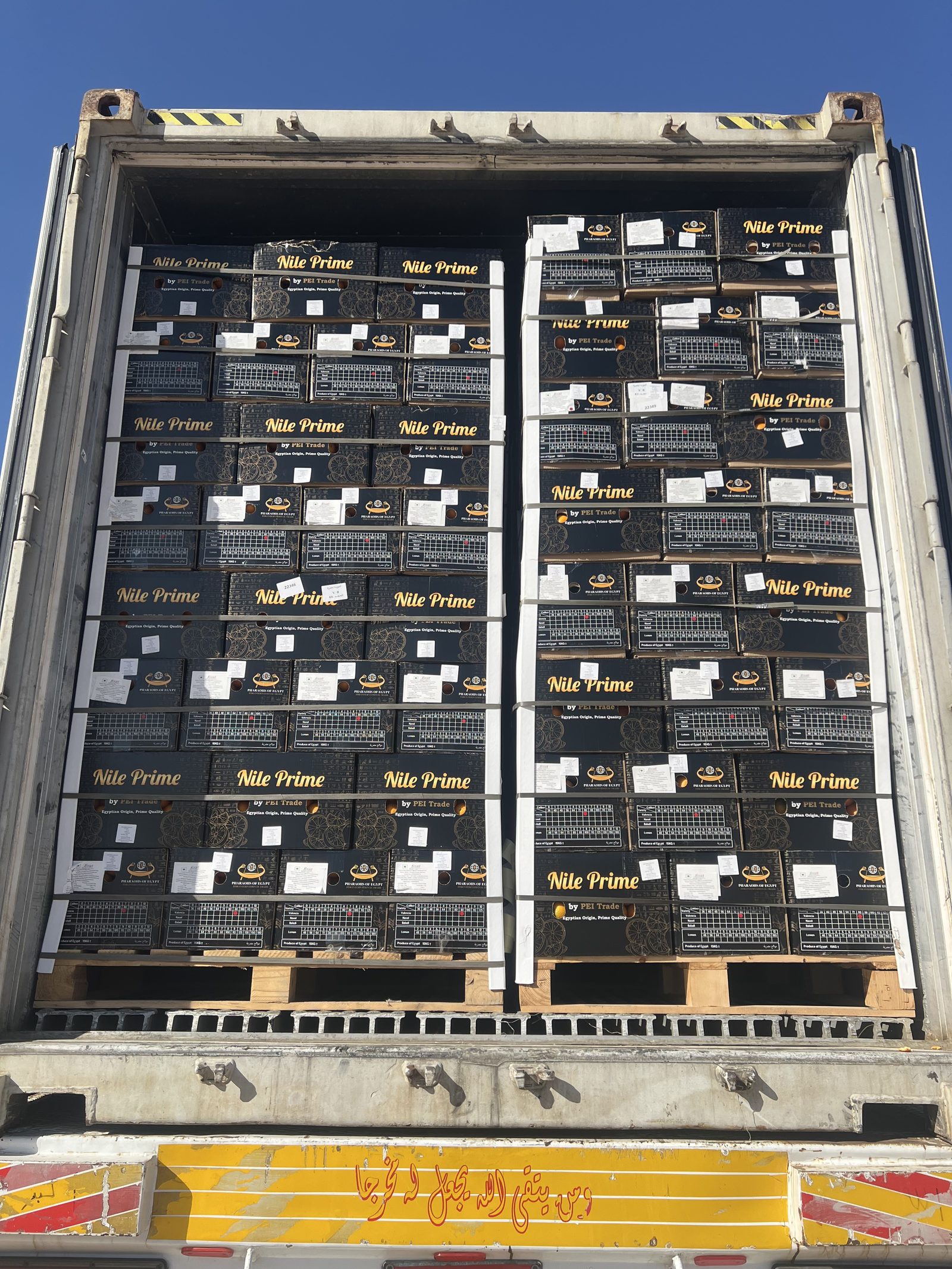
The honest crossover: below roughly 5–8 containers weekly, forwarders beat direct booking on nearly every axis; above it, a hybrid emerges — direct carrier contracts on your core lane, a forwarder retained for overflow, odd lanes, and crisis weeks. Many exporters offer CFR terms using their own forwarding relationships, per the incoterms guide — comparing their embedded freight against your own quotes is how you learn what the lane really costs.
What Forwarding Costs — And Where Margins Hide
Forwarders earn in three layers. The visible service fees (documentation, handling — modest line items). The invisible freight margin — the gap between the rate they buy and the rate they quote you, anywhere from $50 to $400+ per reefer depending on your negotiating attention. And ancillaries — markups on trucking, clearance, and insurance resale. None of this is illegitimate; consolidation is a real service. The discipline is benchmarking: quote every lane with two forwarders plus one direct carrier check twice a year, and watch ancillaries line by line. A forwarder who knows you benchmark stays priced like it — one who knows you don’t, drifts.
Choosing One: The Seven Cold-Chain Questions
- How many reefer containers did you move on this corridor last season? (Volume = allocation priority when equipment tightens.)
- Which carriers hold your reefer contracts, and what transit do they run to my port?
- Who monitors cold-chain alarms after hours, and what is the escalation path?
- What happened the last time a client’s reefer failed mid-voyage — walk me through it.
- Who is your clearance agent at my destination port, and can I speak to them directly?
- What are your demurrage-avoidance routines — pre-alerts, document timing, free-time negotiation per the demurrage guide?
- References: two produce importers on my lane, please.
Worked Example: The Same Lane, Two Forwarders
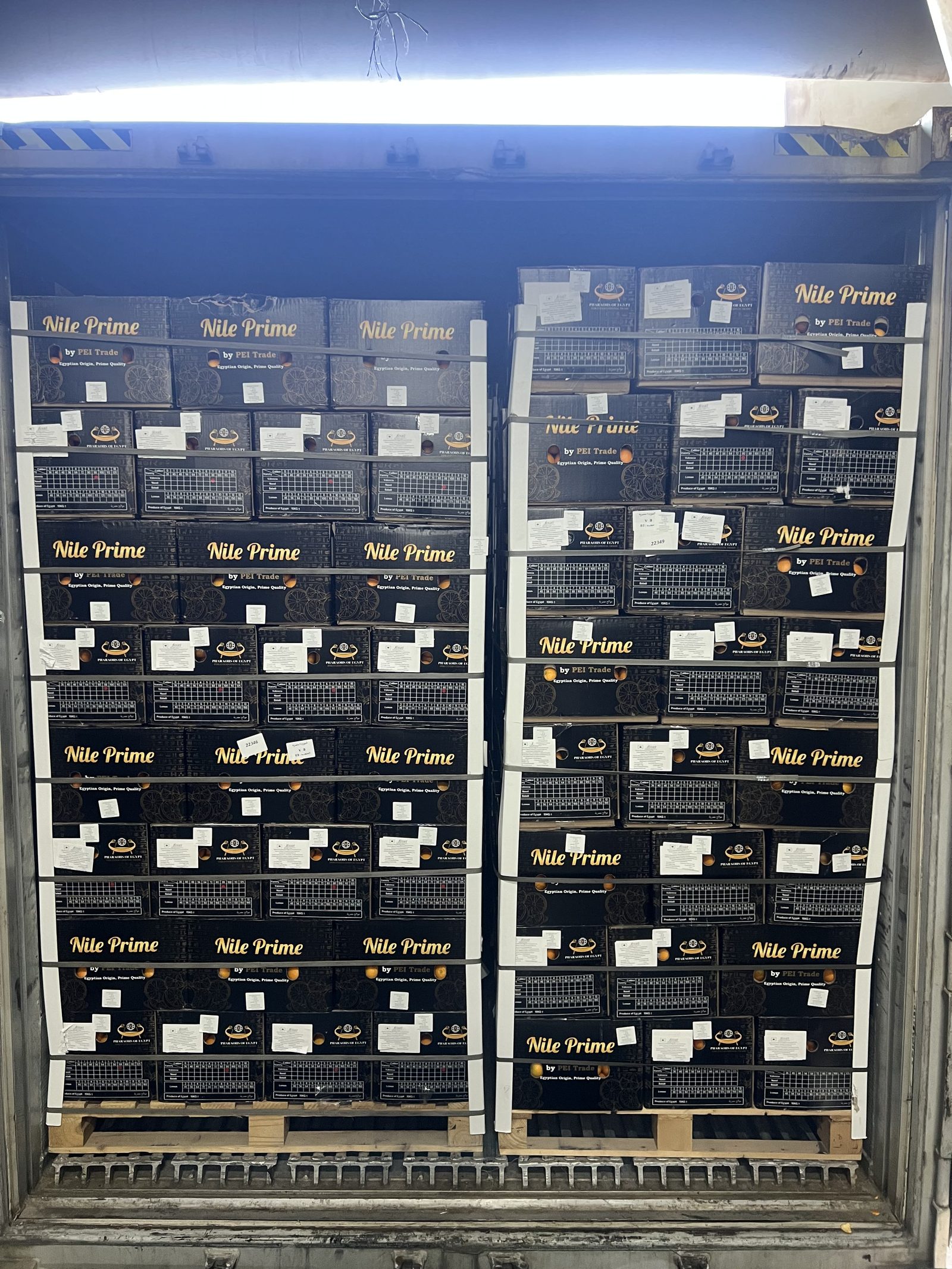
A hypothetical Colombo importer of Egyptian oranges runs a season split-tested between two forwarders — same origin, same fruit, ten containers each. Forwarder A quoted $180/box cheaper. Over the season: two containers rolled at transshipment without warning (A’s carrier relationship was thin — his booking sat at the bottom of the priority list), one setpoint miscommunication ran oranges at +8°C for a week, and documentation errors triggered two demurrage events at Colombo. Realized extra cost: roughly $9,400 plus a damaged retail commitment. Forwarder B, $1,800 dearer across the season on headline rates, delivered ten containers uneventfully — pre-alerts three days out, documents pre-lodged, one alarm escalated and resolved mid-voyage with a same-day carrier intervention. The season’s cheapest freight was the expensive quote. The lesson generalizes into the only forwarder-selection formula that survives contact with reality: price the service level, not the rate sheet — on perishables, execution failures cost multiples of the margin difference.
Managing the Relationship Like a Professional
Give your forwarder annual volume forecasts (allocation flows to predictable clients), a standing SOP document per lane (setpoints, vents, document distribution, notify parties — written once, referenced forever), and honest feedback with data. In return, demand KPI visibility: on-time performance, documentation error rate, average response time on exceptions. Review the relationship yearly against a fresh benchmark quote — and when you outgrow them on a core lane, negotiate direct carrier terms openly rather than by ghosting; the forwarder who kept your startup lanes alive is the one you’ll need again in the next equipment crunch.
FAQ
Do I need a freight forwarder to import produce from Egypt?
Below roughly 5–8 containers weekly, almost certainly yes — forwarders beat direct carrier booking on rates, reefer allocation, and problem resolution at small scale. Large importers typically hybridize: direct contracts on core lanes, forwarders for overflow and crises.
What does a freight forwarder cost per container?
Visible service fees are modest ($100–300 in documentation and handling), but the real economics sit in the freight margin — commonly $50–400 per reefer between the rate they buy and the rate they quote. Benchmarking twice yearly keeps margins honest.
What should I ask a forwarder before hiring them for perishables?
Corridor-specific reefer volume, carrier contracts and transit times, after-hours cold-chain monitoring, a real story of a mid-voyage reefer failure, their destination clearance agent, demurrage-avoidance routines, and produce-importer references on your lane.
Forwarder or exporter-arranged freight (CFR) — which is better?
Both work; the discipline is comparison. Quote your own FOB+freight against the exporter’s CFR — exporters with strong forwarding relationships sometimes beat your rates, but their carrier choice optimizes their cost, not your transit time.
Sources
FIATA — International Federation of Freight Forwarders Associations (fiata.org) · Drewry — reefer shipping market analysis (drewry.co.uk) · International Maritime Organization — cargo and reefer regulations (imo.org) · PEI Trade — export logistics coordination from Egyptian ports · World Bank — Logistics Performance Index (lpi.worldbank.org).