
Escrow and safe payment for a first import deal is the question behind every hesitant first email to an Egyptian exporter: how do I pay a company I’ve never met, on another continent, for cargo I won’t see for weeks? The fear is rational — and so are the solutions. This guide walks every structure that protects a first transaction: true escrow, documentary collections, letters of credit, inspection-gated payments, and the small-order tactics that make the first deal survivable even if it goes wrong.
Table of Contents
- The First-Deal Problem, Stated Honestly
- True Escrow — What Exists and What Doesn’t
- The Safe-Payment Ladder for Strangers
- Inspection-Gated Payment — The Produce-Specific Shield
- Worked Example: A First Deal Engineered to Survive Failure
- Payment Red Flags That End Conversations
- FAQ
- Sources
The First-Deal Problem, Stated Honestly
Both sides of a first deal are afraid, and both are right. The importer fears paying an advance to a website that ships nothing, or ships garbage. The exporter fears loading $25,000 of perishables for a stranger who invents quality complaints on arrival or simply vanishes. Every safe-payment structure is a machine for splitting those fears into survivable pieces — and the honest starting point is that no structure removes risk entirely; each one prices it, gates it, or shares it. The good news: produce trade has run on strangers becoming partners for a century, and the toolkit is mature.
True Escrow — What Exists and What Doesn’t
Classic escrow — a neutral third party holding the buyer’s money until delivery confirms — exists in international B2B trade, but patchily. Dedicated trade-escrow platforms and bank escrow accounts serve container-scale deals in some corridors; their fees (commonly 1–3%) and onboarding checks make them practical mainly for first transactions where trust is zero and the premium is worth paying once. What does not exist is the consumer-style universal escrow button — and any exporter or “agent” pushing you toward an unknown escrow website is describing a fraud: fake escrow sites are among the commonest scams in international trade. The verification rule is absolute: if escrow is used, the platform must be independently verifiable (regulated, reviewed, contactable), chosen by you, never by the counterparty. In practice, most produce trade solves the first-deal problem not with escrow but with the banking system’s equivalents: documentary collections and LCs, where banks — regulated, real, and neutral — play the escrow role against documents.
The Safe-Payment Ladder for Strangers
| Structure | Importer Protection | Cost | Verdict for Deal #1 |
|---|---|---|---|
| Sight LC | Bank pays only against compliant documents | 1–2%+ | Gold standard where affordable |
| D/P collection | No advance; pay to receive documents | ~0.2–0.5% | Strong, if exporter accepts |
| Escrow platform | Funds held until agreed trigger | 1–3% | Viable once, verify the platform hard |
| 30/70 T/T + inspection | Advance at risk, balance gated | Bank fees only | The pragmatic standard |
| 100% advance | None | — | Never with a stranger |
Notice what the ladder really prices: the exporter’s willingness to accept a structure is itself evidence. A house that engages seriously with LC or D/P terms is planning to perform; one that pushes hard for maximum advance from a first-time stranger is telling you something — listen. Full mechanics per structure sit in the LC guide, the documentary collection guide, and the T/T guide.
Inspection-Gated Payment — The Produce-Specific Shield
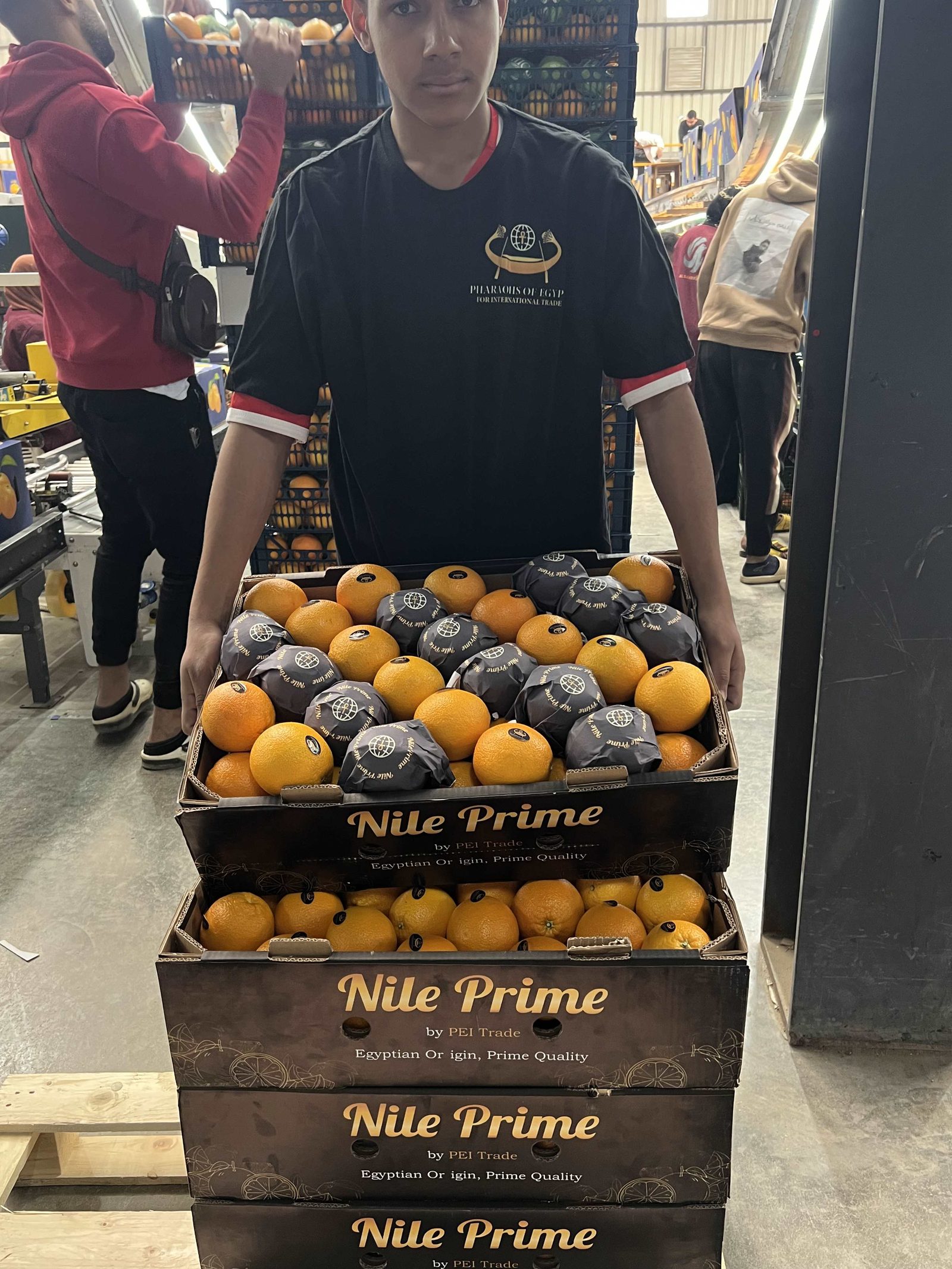
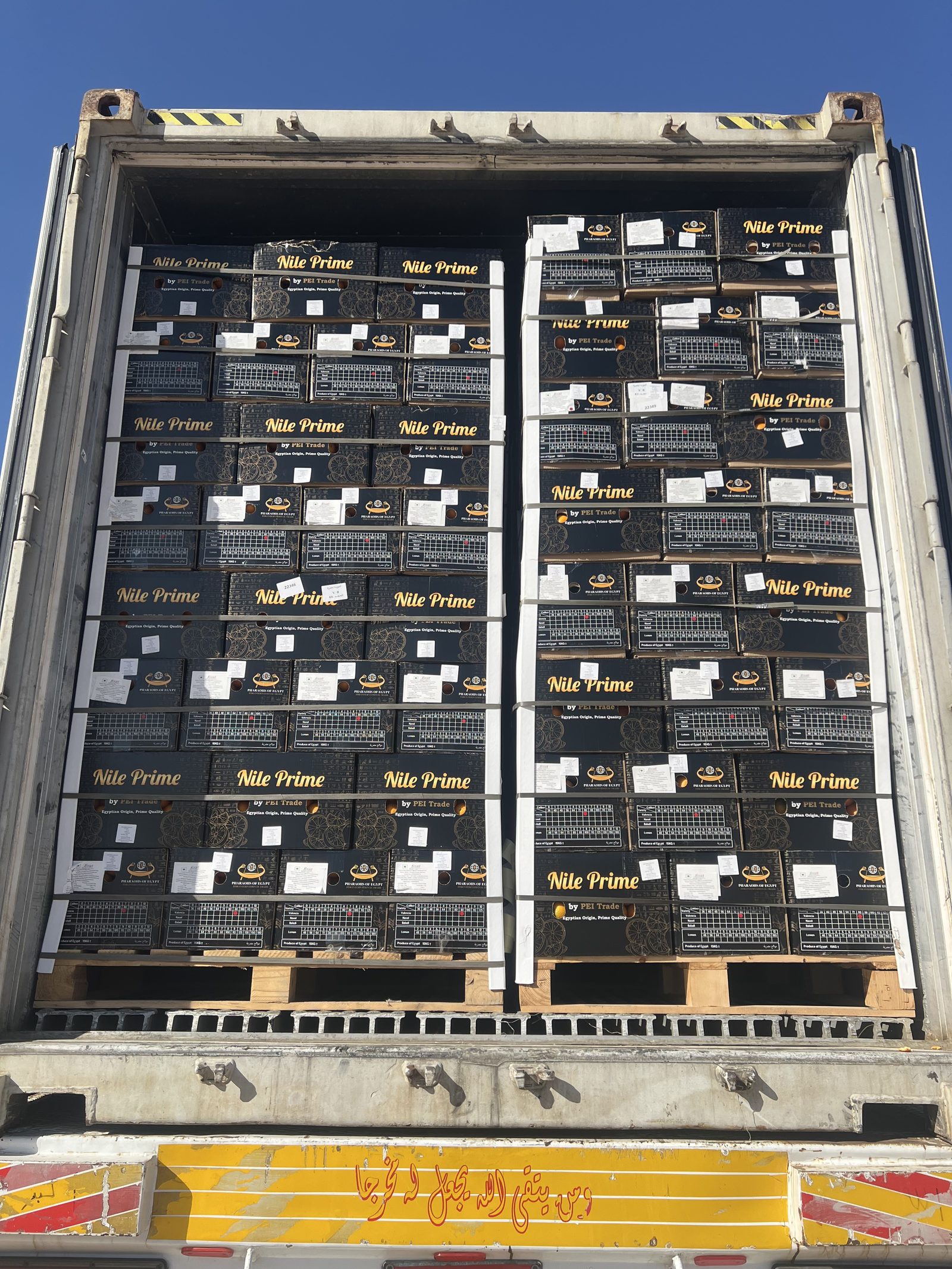
Produce adds a protection layer most goods can’t use: third-party pre-shipment inspection. Firms such as SGS, Bureau Veritas, or Cotecna will attend loading, verify grade, size, packing, temperature, and container condition against your spec, and issue a report — for a few hundred dollars per container. Structured as a payment gate (“70% balance payable against inspection certificate plus shipping documents”), it converts your biggest first-deal fear — what actually went into the box? — into a document a professional answered. Exporters with nothing to hide accept inspection readily; many quality houses welcome it as their own protection against invented claims. Pair it with the arrival evidence protocol from the claims guide and the first deal has professional eyes at both ends of the voyage.
Worked Example: A First Deal Engineered to Survive Failure
A hypothetical first-time importer in Amman wants Egyptian oranges and designs the deal backward from the question “what if everything goes wrong?” Sizing: one container, not three — $24,000 of total exposure is survivable tuition; $72,000 is not. Verification first: the full exporter verification protocol — registry, certificates, video call, references — before any payment talk; payment structure is the second line of defense, never the first. Structure: 30% advance ($7,200 — the maximum he can lose to outright fraud), 70% against documents plus SGS loading inspection ($400). Banking hygiene: beneficiary account verified by voice call; any mid-deal change of bank details treated as fraud by default. Contract: two pages from the contract guide covering spec, tolerances, and claims windows. The container arrives — in this sketch, with a minor size-mix deviation the inspection report already flagged, settled as a $600 credit against the next order. Total protection cost: roughly 2% of deal value. What it bought: a worst case he could afford, and a second deal that now runs on lighter terms. That is the entire first-deal philosophy — pay small premiums to make failure survivable, then let performance replace premiums.
Payment Red Flags That End Conversations
- 100% advance demanded from a first-time buyer — the classic fraud posture.
- Personal or third-country bank accounts — company payments go to company accounts in Egypt, full stop.
- Refusal of any gated structure — LC, D/P, and inspection all “impossible” while pressing for T/T advance.
- A specific unknown escrow site insisted upon by the counterparty — fake-escrow fraud’s signature move.
- Mid-transaction bank-detail changes by email — business email compromise; verify by voice on a known number, always.
- Discounts for speed — “pay full today for 8% off” converts diligence time into pressure; pressure is the product.
FAQ
Is escrow available for international produce deals?
Sometimes — regulated trade-escrow platforms and bank escrow accounts exist and suit first deals, at 1–3% fees. But the platform must be independently verifiable and chosen by the buyer; counterparty-suggested escrow sites are a common fraud vector. Documentary collections and LCs serve the same neutral-third-party role through regulated banks.
What is the safest payment method for a first import from Egypt?
A sight letter of credit offers the strongest protection where its cost is justified. The pragmatic standard is 30/70 T/T with the balance gated on shipping documents plus a third-party pre-shipment inspection certificate.
How much should a first order be?
One container. The advance on a single container is survivable tuition if everything fails; committing multi-container volumes to an unproven counterparty converts a manageable risk into a existential one.
What does pre-shipment inspection cost and cover?
Typically a few hundred dollars per container. An inspector from SGS, Bureau Veritas, or similar attends loading and certifies grade, sizing, packing, temperature, and container condition against your contract spec — payable as a condition of the balance payment.
Sources
International Chamber of Commerce — URC 522 and UCP 600 rules (iccwbo.org) · SGS and Bureau Veritas — pre-shipment inspection services (sgs.com, bureauveritas.com) · Interpol — trade finance and BEC fraud advisories (interpol.int) · PEI Trade — first-order structures for Egyptian produce buyers · ICC Commercial Crime Services — fraud prevention (icc-ccs.org).