
Every importer eventually opens a container that isn’t what was promised. Produce quality claims are not a breakdown of the relationship — handled professionally, they are how good relationships prove themselves. This guide covers the claim done right: the evidence that wins, the deadlines that kill, the settlement math, and — most valuable of all — the habits that prevent the next one. It completes our commercial series alongside the Incoterms and payment terms guides.
Last updated: July 2026 · By the Nile Prime export team
Table of Contents
- The First 48 Hours — Where Claims Are Won
- What Decides the Outcome
- Settlement — The Professional Norms
- Quality Claims — FAQ
- Work With a Claims-Ready Exporter
- Worked Example: Hour by Hour
- Clauses to Agree Upfront
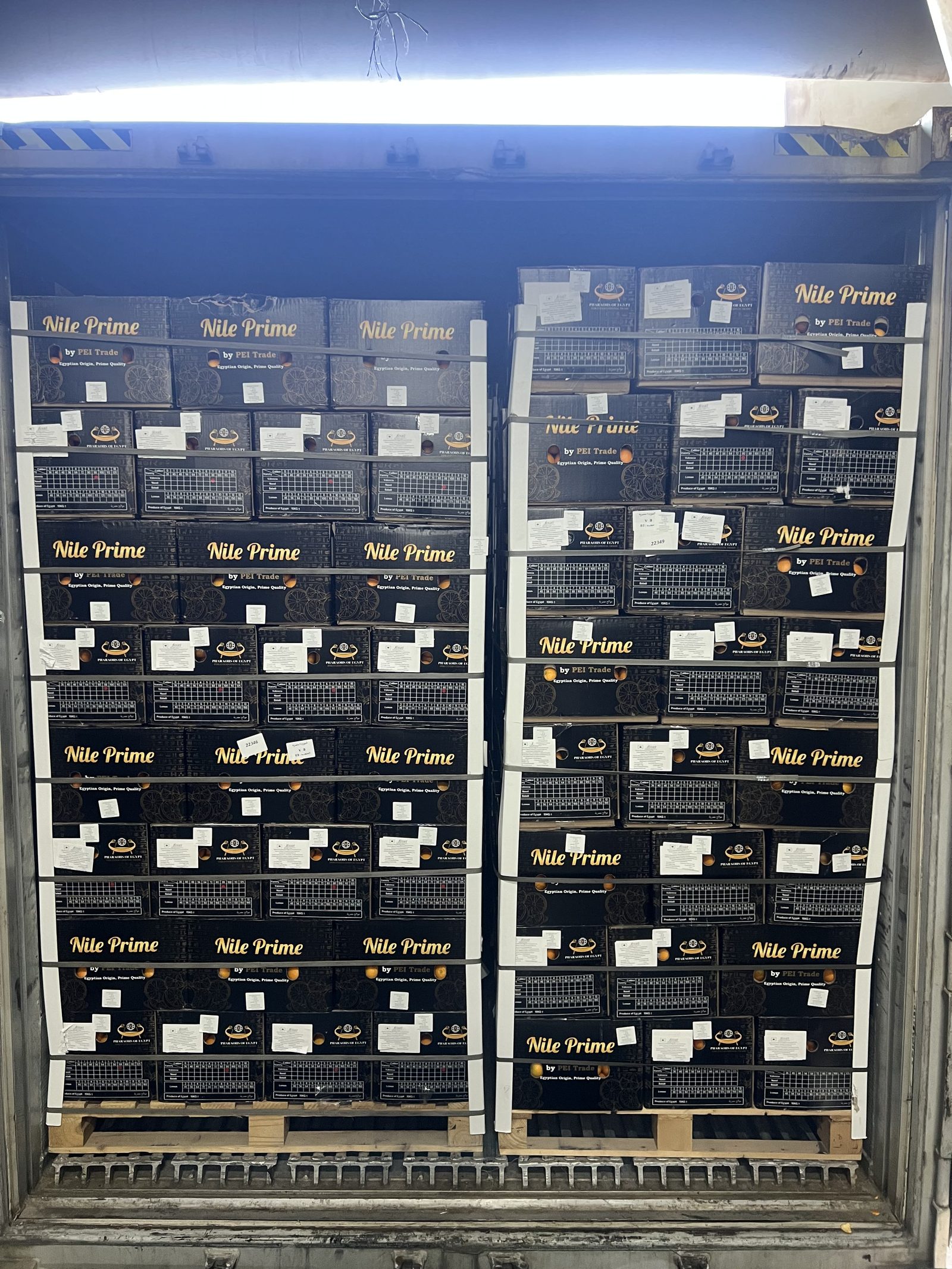
The First 48 Hours — Where Claims Are Won
- Before signing anything: pulp temperatures against the reefer download — note deviations on the delivery receipt.
- Photograph systematically: container number visible → doors open → pallet overview → affected cartons with lot codes → individual fruit — dated, unedited.
- Notify in writing immediately: within the contract window (typically 24–48 h for fresh), with preliminary photos — late notice voids most claims.
- Independent survey for serious cases: SGS/Intertek destination survey — the document arbitrators and insurers actually weigh.
- Preserve the evidence: hold affected lots separately; don’t sell the proof.
What Decides the Outcome
| Question | Deciding Evidence | Whose Problem |
|---|---|---|
| Was it packed wrong? | Loading photos, QC reports, spec sheet | Exporter |
| Did the cold chain fail? | Reefer download + independent logger | Carrier/insurance (per Incoterm) |
| Was fruit inherently defective? | Survey report, defect pattern across lots | Exporter (latent) / shared (borderline) |
| Was it mishandled at destination? | Time-stamped receiving records | Buyer |
This is why the shipment-time habits from the reefer guide — settings on the B/L, loggers in the cargo, loading photos — are really claims insurance purchased in advance.
Settlement — The Professional Norms
- Percentage allowances on affected lots (backed by survey counts) settle most claims — full rejections are rare and reserved for total failures.
- Salvage math: sell what’s sellable, claim the diminution — documented gross returns make the honest number.
- Next-shipment credits keep programs alive — often better than cash for both sides.
- The relationship test: an exporter who engages evidence seriously is a keeper; one who goes silent told you everything — factor it into the next verification.
Worked Example: A Claim Done Right, Hour by Hour
A hypothetical Hamburg importer opens a container of oranges and finds soft fruit in the door rows. The professional sequence: Hour 0 — unloading stops; nothing is sorted, sold, or discarded. Photos and video: seal intact with number visible, thermostat display, logger being removed, affected pallets in position, close-ups of defects with carton labels readable. Hour 2 — written notice to the exporter with preliminary photos, reserving rights, no amounts claimed yet. Hour 6 — independent surveyor appointed (agreed as a contract term beforehand); joint inspection invitation sent to the exporter’s local agent. Day 1 — logger download shows a 4-hour excursion to 9°C mid-voyage: carrier-side evidence, shifting the claim toward the line and its insurers. Day 2 — surveyor quantifies: 18% of cartons affected, salvage value assessed; sound fruit sells normally, mitigating loss as the law requires. Week 2 — documented claim files to the carrier with the exporter cooperating. In this sketch the claim settles because every fact was frozen in the first six hours. Reverse the behavior — sort first, photograph later, notify next week — and the same physical loss becomes legally worthless.
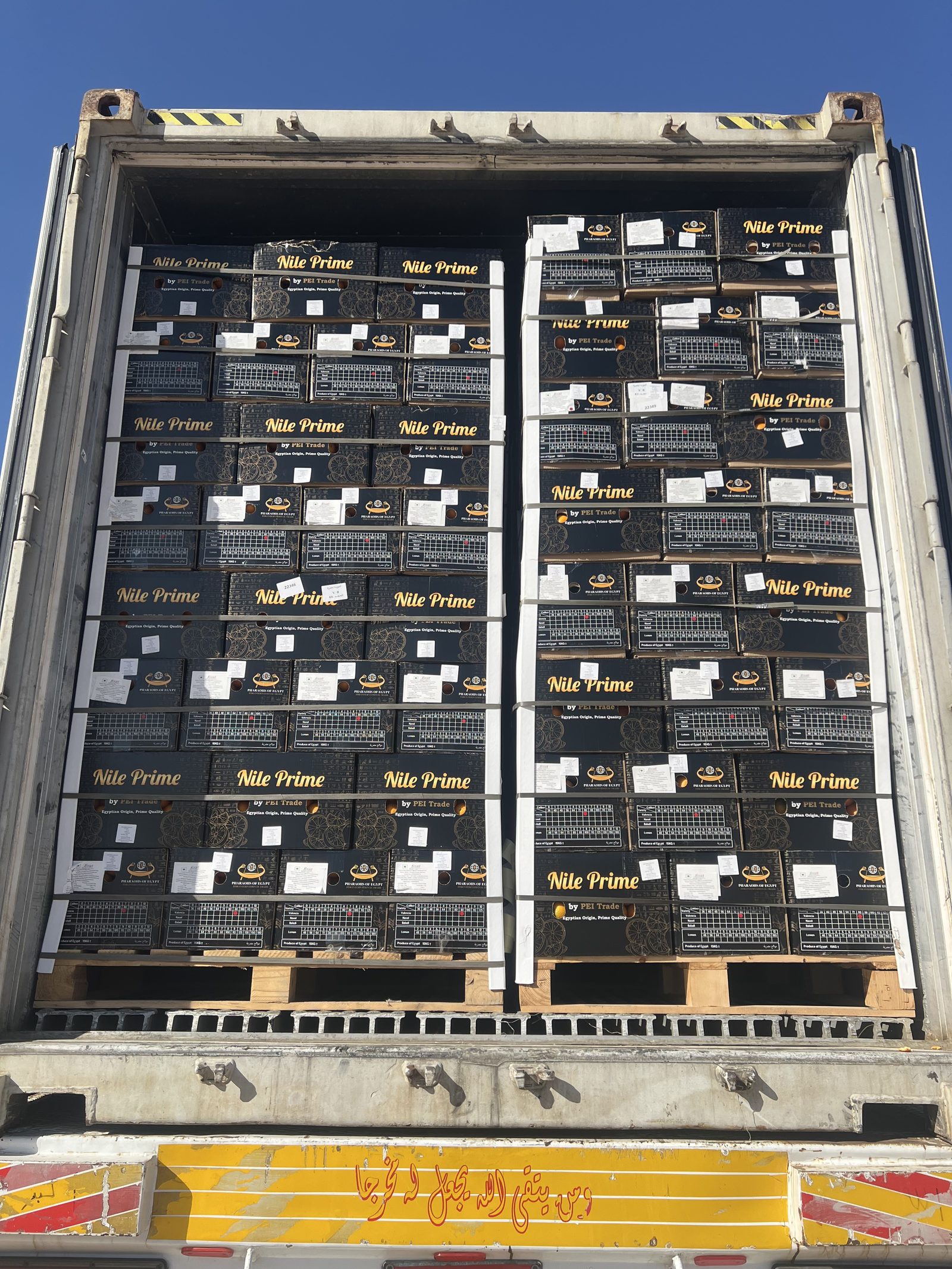
Claim Clauses to Agree Before the First Container
- Notice window: defects notified within 24–48 hours of devanning, with evidence standard defined (photos + logger + seal).
- Surveyor: a named independent survey firm both sides accept, cost-sharing agreed.
- Tolerance thresholds: the defect percentage below which no claim arises — produce is biology, not machinery.
- Remedy ladder: price adjustment first, credit on next shipment second, cash settlement last — keeping the relationship alive.
- Logger primacy: the calibrated logger’s record outranks opinions about how fruit “looks like it was handled.”
Quality Claims — FAQ
How fast must I file a produce quality claim?
Within the contract’s notice window — typically 24–48 hours of arrival for fresh produce — in writing with preliminary photos. Late notice is the single most common reason valid claims fail.
What evidence wins a quality claim?
Pulp temperatures at receiving versus the reefer download, systematic dated photos with container and lot codes, and — for serious cases — an independent SGS or Intertek destination survey.
Who pays when a reefer fails at sea?
Risk follows the Incoterm: on CIF/CFR/FOB it transferred at loading, so recovery runs through cargo insurance against the carrier — which is why the B/L settings line and data loggers are your critical evidence.
How are produce claims usually settled?
Percentage allowances on affected lots backed by survey counts, salvage-and-claim-the-difference math, or next-shipment credits — full rejections are the exception, reserved for total failures.
Work With a Claims-Ready Exporter
Nile Prime — the premium brand of PEI Trade — documents every loading to the standard this guide describes: WhatsApp +20 109 911 1918 · [email protected].
Sources: cargo-survey practice (SGS/Intertek) · PEI Trade claims procedures.