
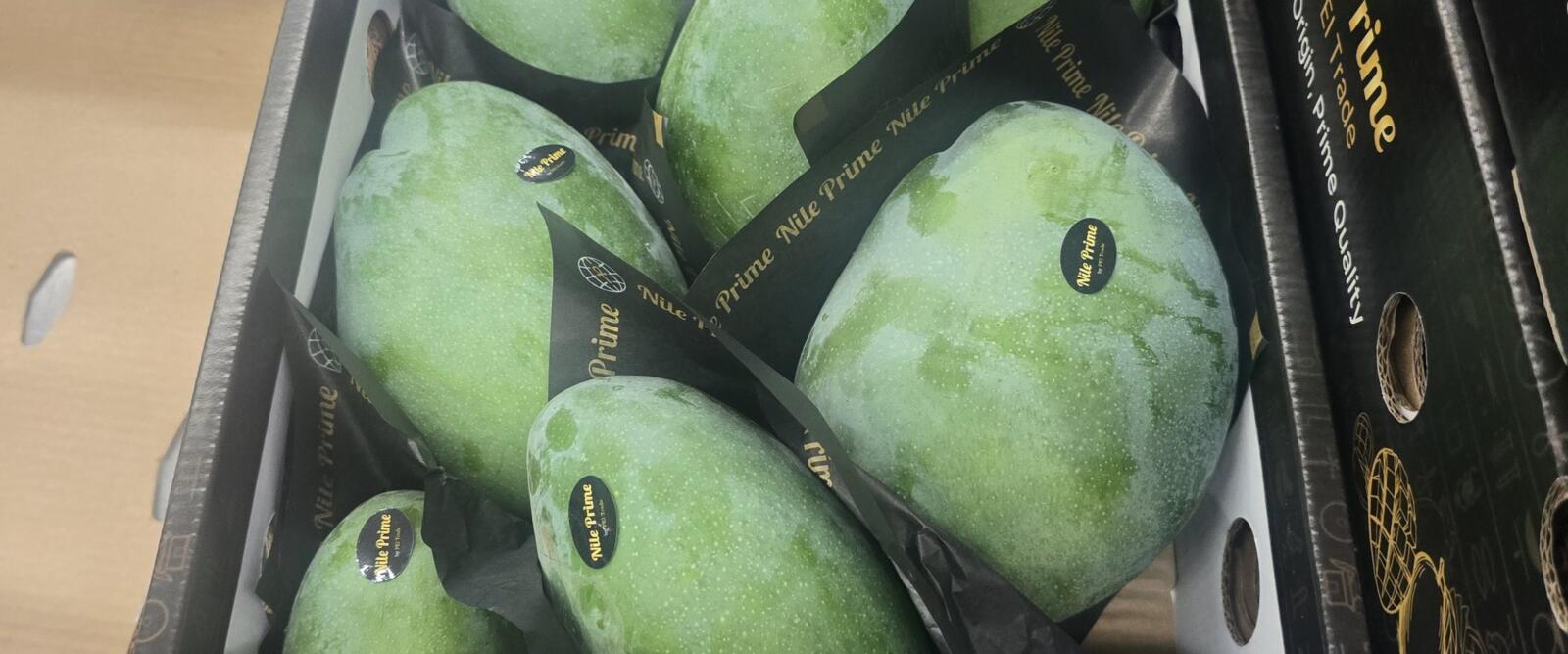
The Gulf is the shortest serious market for Egyptian mango and the most demanding on timing. Fruit that leaves Ain Sokhna on a Tuesday can be on a Jeddah quay before the end of the week, which is an advantage no other origin at this time of year can match. It also means the buffer for mistakes is small. A document that arrives two days after the vessel costs more in the Gulf than it does on a four week run to northern Europe.
Ports and routing
For Red Sea and Gulf destinations, Ain Sokhna is the natural loading port. Transit to Jeddah is normally three to five days, to Jebel Ali seven to ten days, and to Doha, Kuwait and Dammam broadly in the same range depending on transhipment. Alexandria and Damietta serve the same destinations through Mediterranean routings, which adds transit but sometimes offers better sailing frequency. On short Red Sea legs, the difference between a direct sailing and a transhipment via Jebel Ali is often larger than the difference between the ports of loading, so ask for the routing rather than only the transit figure.
Road freight through Nuweiba and onward across Saudi Arabia is used by some buyers for smaller volumes and urgent replenishment. It is faster door to door but harder to control on temperature, and it suits firm Keitt better than softer varieties.
Reefer settings for a short leg
A short transit does not mean a relaxed set point. Egyptian mango for the Gulf is normally carried at 10 to 12 degrees Celsius with 90 to 95 percent relative humidity and fresh air exchange set for the load. Going colder to buy shelf life risks chilling injury, which shows up as uneven ripening and skin pitting after the fruit warms. Because the leg is short, fruit often arrives at a firmer stage than European buyers see, which means the receiver needs ripening space or a plan to sell into the trade at that stage. Our guidance on ripening and shelf life management covers the handling once the container is opened.
Documentation Gulf buyers will be asked for
The standard file is commercial invoice, packing list, bill of lading, certificate of origin, and phytosanitary certificate issued by the Egyptian plant quarantine authority. Saudi Arabia requires registration in the SABER platform and a conformity certificate for the shipment, and consignments are checked against SFDA requirements on arrival. The UAE clears through the relevant municipality and federal authority with the phytosanitary certificate as the controlling document. Halal certification is not applicable to fresh fruit, but some buyers ask for a statement confirming no animal derived treatment.
Residue compliance matters as much here as in the European Union, and the acceptable limits are not always identical. Confirm the destination MRL list before the pre-harvest spray programme is finalised, not at shipment. The detail is set out in our note on phytosanitary and residue compliance for Egyptian mango.
What Gulf receivers expect on arrival
Uniform calibre within the carton, clean sleeves, no latex staining around the stem, and a temperature recorder that matches the agreed set point. Most Gulf wholesalers will open two or three cartons at random from different pallet positions within the first hour. Having the loading temperature record and the pre-shipment inspection report in the same file as the invoice removes most arrival arguments before they start. Full detail on the ocean leg is in our guide to shipping Egyptian mango by sea.
Keitt, Kent and Naomi are available for Gulf shipment through the remainder of the 2026 season on FOB or CFR terms under Incoterms 2020. Send your destination port, variety, count and volume to the Nile Prime team on WhatsApp at +20 10 9911 1918 for a written offer with sailing schedule.