
To import Egyptian citrus into the Gulf is to buy from the region’s natural supplier: 3–7 days by sea, a full basket — Navel, Valencia, mandarins, lemons — through the entire December–May window, and consumer recognition built over generations. Saudi Arabia and the UAE anchor the trade; Kuwait, Qatar, Bahrain, and Oman run parallel programs. This guide covers what to buy for which channel, timing, clearance, and the premium plays. Part of the complete citrus guide.
Last updated: July 2026 · By the Nile Prime export team
Table of Contents
- What to Buy for Each Channel
- The Gulf Citrus Rhythm
- Clearance Essentials
- Importing Egyptian Citrus to the Gulf — FAQ
- Book the Gulf Basket
- Worked Example: Dubai Program
- Port Pairs & Transit
What to Buy for Each Channel
| Channel | Products | Spec Notes |
|---|---|---|
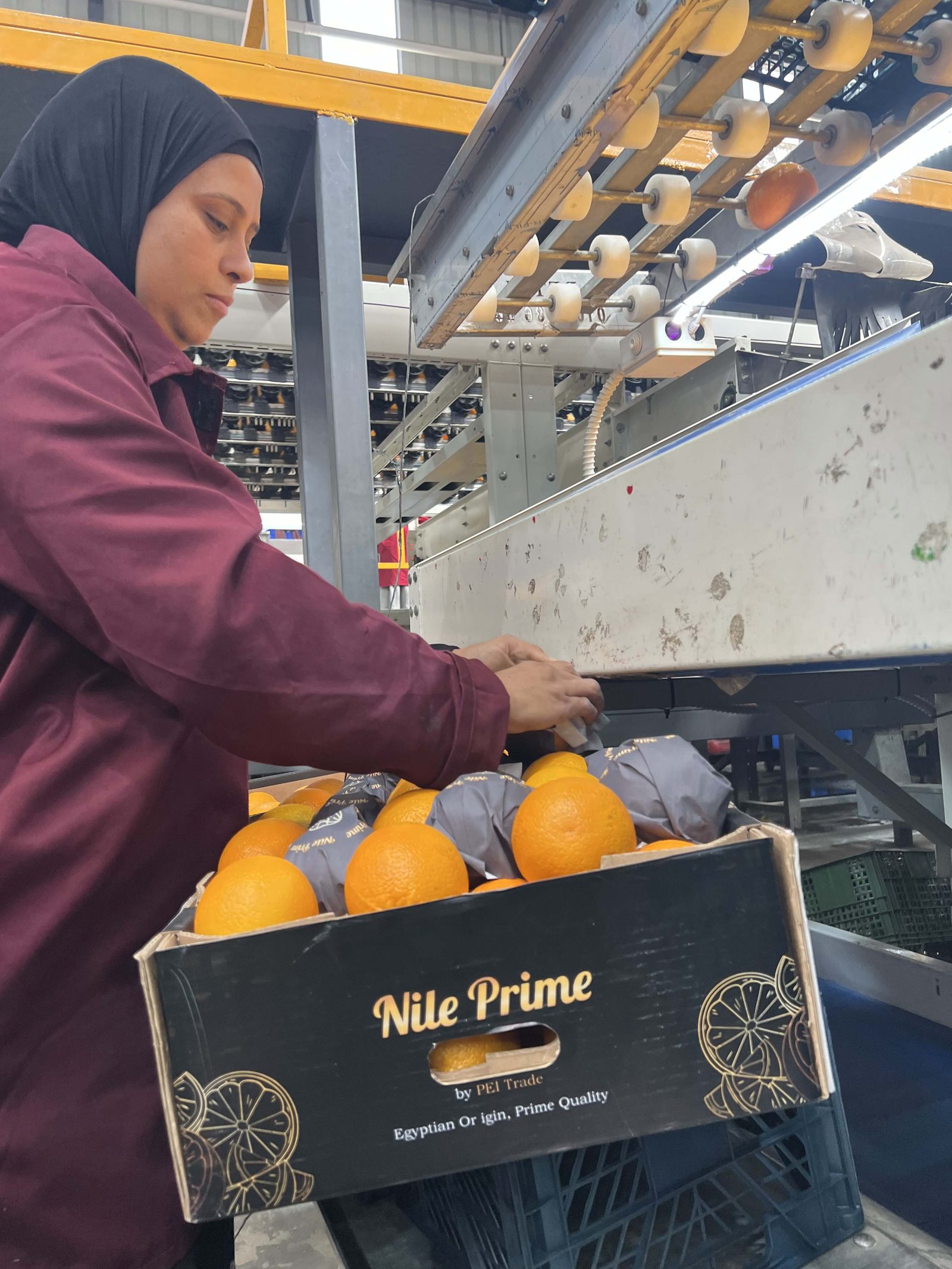
| Hypermarket retail | Navel 48–64, premium mandarins, Valencia 56–88 | Uniform color; branded cartons lift shelf placement |
| Premium / leaf-on | Leaf-on mandarins, wrapped Navel | Fast logistics — freshness visible on the leaf |
| Wholesale markets | Valencia 72–100, Navel volume counts | Turnover pricing; consistent weekly arrivals |
| Food service & juice | Valencia small counts, lemons & limes | Juice yield per carton is the number that matters |
The Gulf Citrus Rhythm
| Period | What Happens | Buyer Move |
|---|---|---|
| Oct–Nov | Programs contracted | Lock December allocation and weekly patterns |
| Dec–Jan | Navel & mandarins peak into winter demand | Run retail programs at full pace |
| Ramadan window | Demand spike — juice & family packs | Plan volumes 8+ weeks ahead of the month |
| Feb–May | Valencia takes over | Shift to volume counts; extend to the May tail |
The Ramadan planning point matters most: juice consumption multiplies, and the buyers who fixed Valencia volumes two months early own the shelf. Cross-check dates against the citrus season calendar.
Clearance Essentials
- Registration: importer registered with SFDA (Saudi) or municipality systems (UAE) before first arrival.
- Labeling: Arabic on carton — product, origin, weight, packer, dates.
- Documents: phytosanitary, CoO (legalized where required), invoice, packing list — scans before arrival make Jeddah and Jebel Ali same-day clearances. Full set in the documents checklist.
- Summer note: late-season May fruit needs disciplined reefer trucking at destination — Gulf tarmac heat is the last-mile risk.
Worked Example: A Dubai Distributor’s Citrus Program
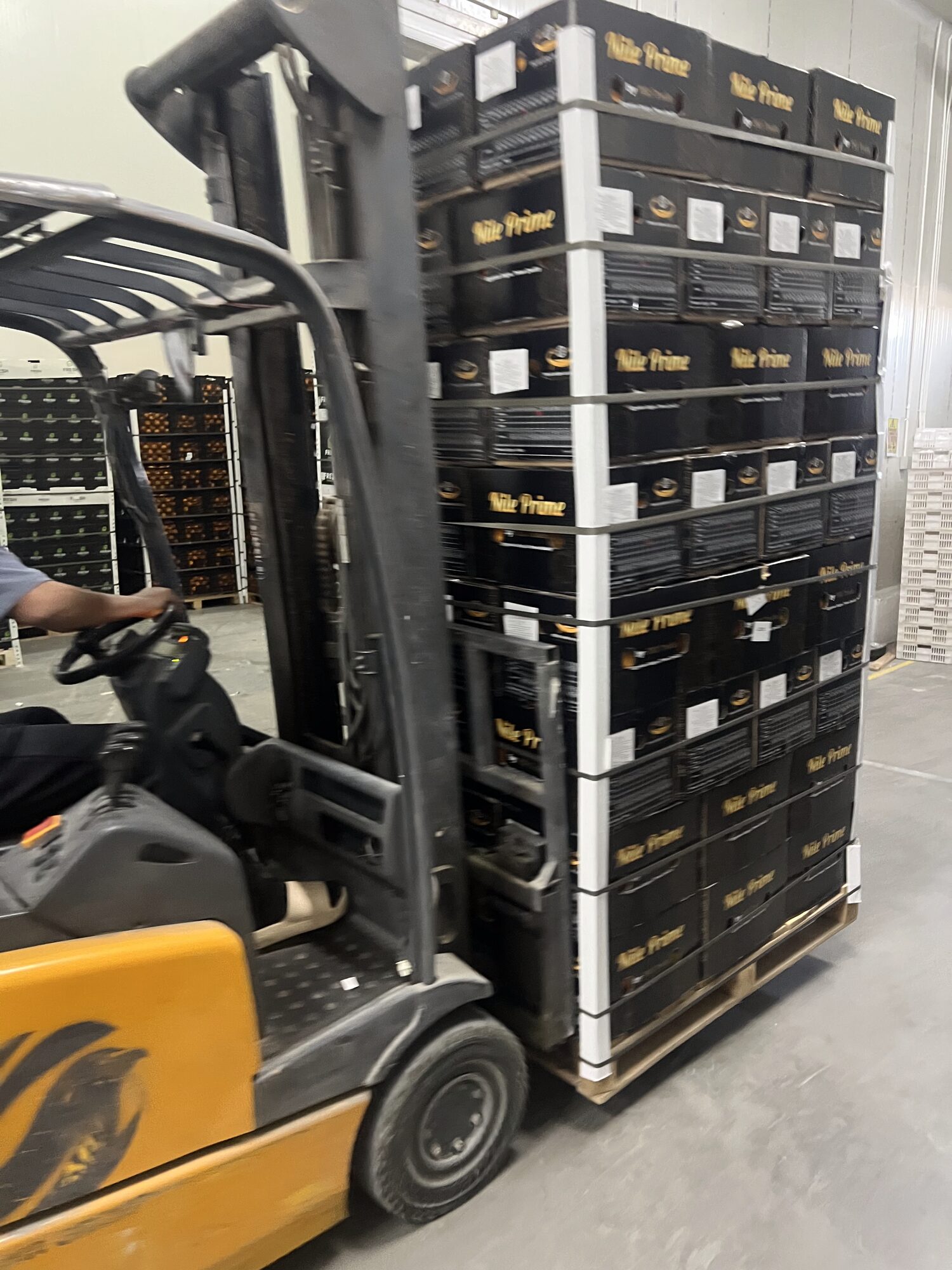
Picture a hypothetical Dubai fruit house supplying supermarket chains in the UAE and re-exporting to Oman. Its Egyptian citrus year: September — season frame signed for 25 containers: Navel December–February, Valencia March–May, sizes weighted 56/64/72 for Gulf retail preference, 15 kg cartons, 30/70 T/T terms. December — first Navel arrives 8–10 days after loading via Sokhna–Jebel Ali, brix verified at 11.5+ on arrival cut tests. January (Ramadan approach in this scenario) — the distributor doubles February call-offs in advance; because volumes sat inside a frame, allocation holds while spot buyers scramble and pay the seasonal spike. March–May — Valencia takes over for the juice-heavy summer demand. GAFTA certificates of origin ride every shipment, entering the UAE duty-free and making the re-export leg to Oman clean. Season economics: the frame price averaged perhaps 5–8% above the lowest spot weeks — and roughly 15% below the highest — with zero missed delivery weeks. That trade, stability for average price, is exactly what Gulf retail programs pay for.
Port Pairs and Transit Realities
| Route | Typical Transit | Notes |
|---|---|---|
| Sokhna → Jeddah | 3–5 days | Shortest lane; Saudi western region |
| Sokhna → Jebel Ali | 8–10 days | UAE hub + re-export gateway |
| Damietta → Jebel Ali | 10–14 days | Via Suez; more sailings, longer clock |
| Sokhna → Hamad (Qatar) | 9–12 days | Direct or via Jebel Ali transshipment |
| Sokhna → Shuwaikh (Kuwait) | 10–13 days | Upper Gulf; plan Ramadan congestion |
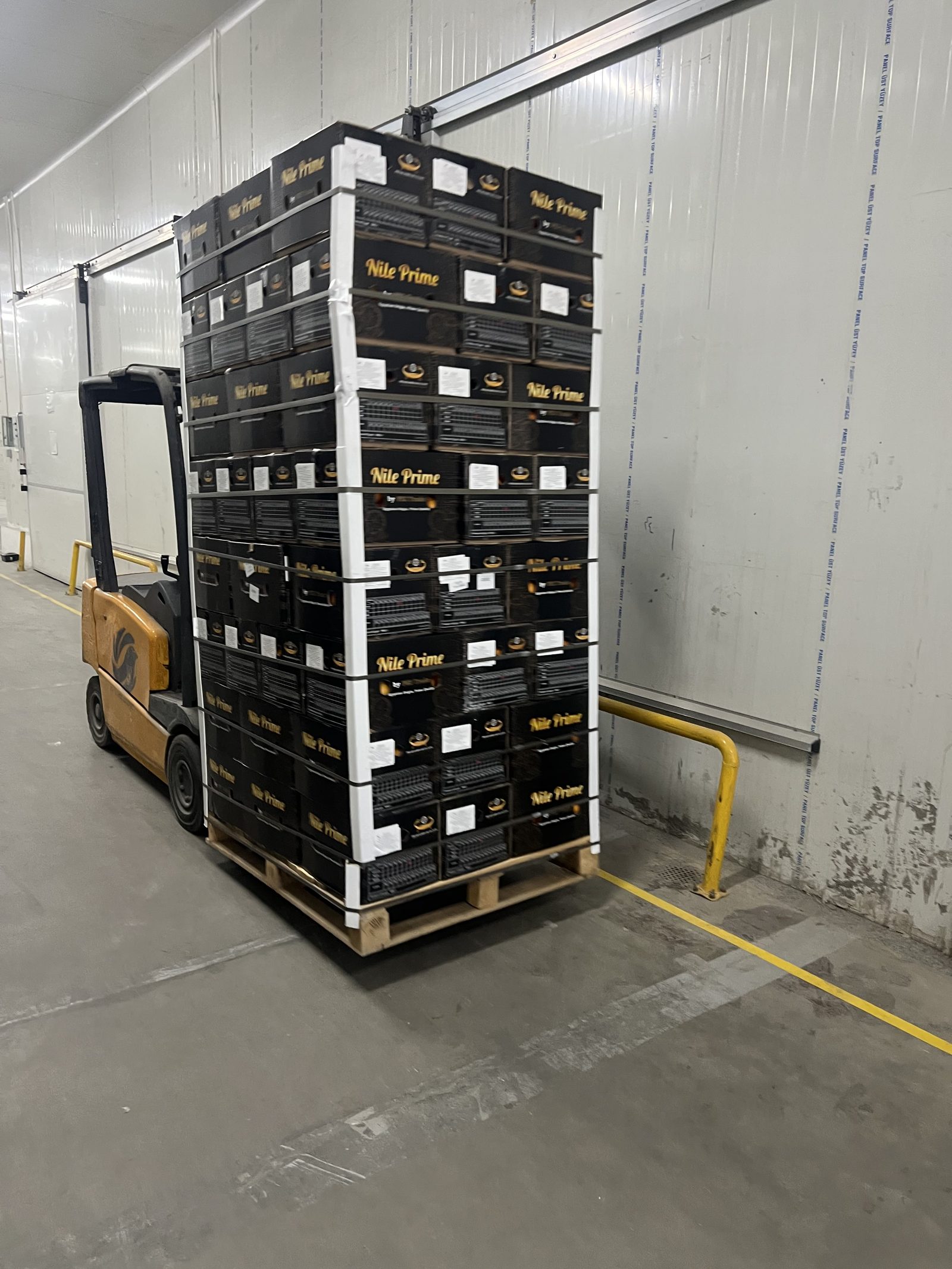
Red Sea routing from Sokhna is the Gulf trade’s structural advantage — Egyptian citrus reaches Gulf shelves in a third of the time Mediterranean competitors need, which converts directly into shelf life. Full lane detail in the ports guide and the seasonal demand math in the Ramadan planning guide.
Importing Egyptian Citrus to the Gulf — FAQ
How long does Egyptian citrus take to reach the Gulf?
Sea freight from Sokhna: 3–5 days to Jeddah and 5–7 to Jebel Ali at +2–5°C — fruit arrives with essentially full shelf life.
Which Egyptian citrus sells best in Gulf retail?
Large seedless Navel (counts 48–64) and premium mandarins carry the winter shelf, with Valencia in mid counts for volume and juice — and leaf-on mandarins at the premium top.
When should Gulf buyers plan for Ramadan citrus demand?
At least eight weeks before the month: juice consumption multiplies and Valencia volumes plus family-pack formats need to be contracted and scheduled early.
What does Gulf clearance require for Egyptian citrus?
Importer registration (SFDA or municipality), Arabic carton labeling, and the standard document set with scans ahead of arrival — complete paperwork routinely clears same-day.
Book the Gulf Basket
Nile Prime — the premium brand of PEI Trade — ships the full basket with Arabic labeling and branded premium cartons: WhatsApp +20 109 911 1918 · [email protected] · Mandarins · Navel · Lemons.
Sources: Tridge — Egypt citrus exports · PEI Trade — Citrus Export Report.