
Frozen strawberries in Europe increasingly mean Egyptian strawberries: the continent’s jam, dairy, bakery, and smoothie industries have shifted steadily toward the origin that combines Festival-red color, IQF quality, 10–12 day freight, and the lowest serious costs in the trade. Poland’s summer crop and Moroccan volumes still play, but the baseline contract is Egyptian. This guide is for the European buyer: specs, compliance, contracting, and landed-cost logic. Companion to the IQF strawberries guide.
Last updated: July 2026 · By the Nile Prime export team
Table of Contents
- Why Europe Buys Egyptian
- EU Compliance — What Serious Buyers Verify
- The Contracting Calendar
- Frozen Strawberries for Europe — FAQ
- Fix Your Pre-Season Contract
- Worked Example: German Jam Producer
- Grade Architecture
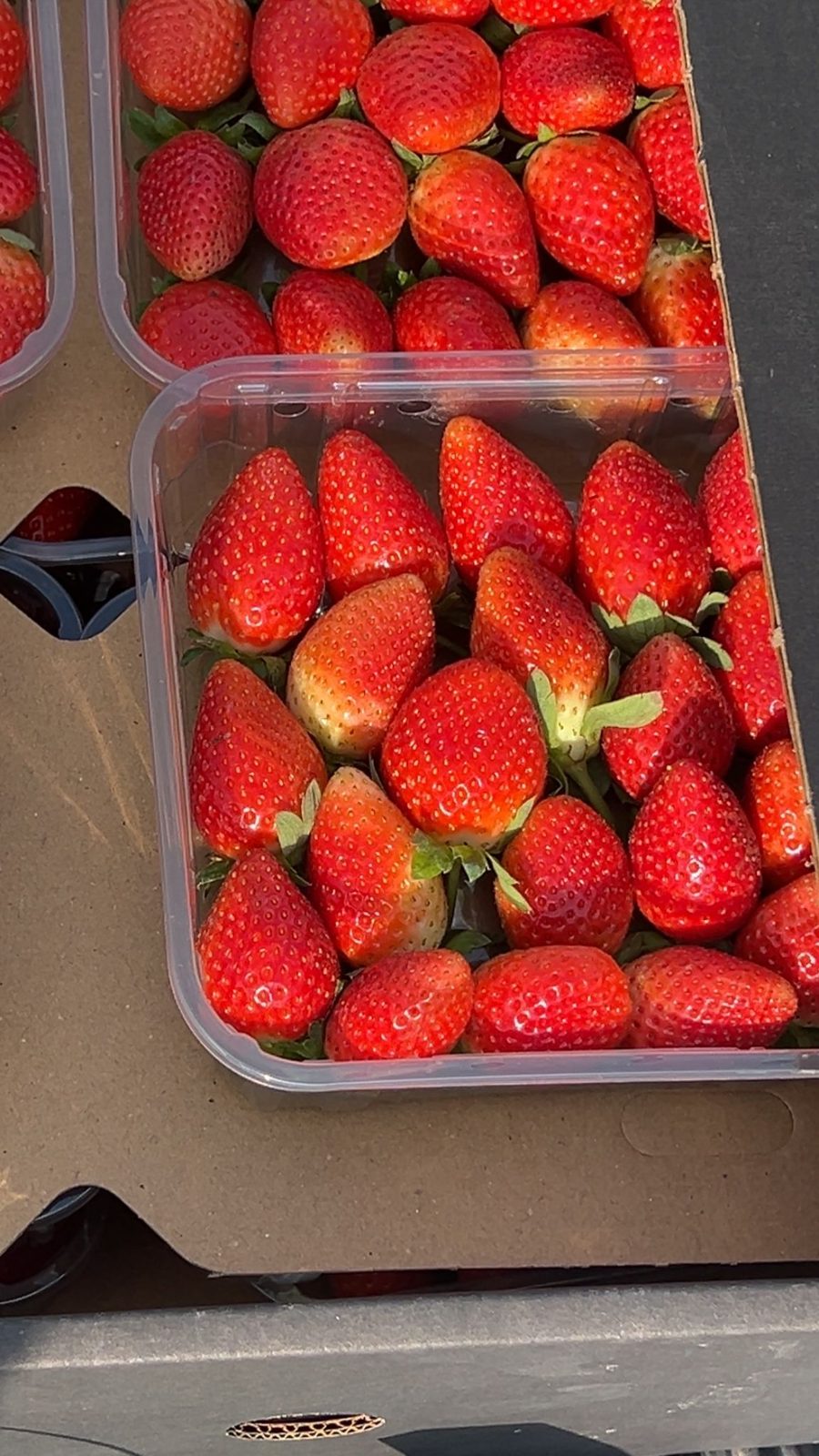
Why Europe Buys Egyptian
| Factor | Egypt | Poland | Morocco | China |
|---|---|---|---|---|
| Cost position | Lowest serious origin | High (EU labor) | Mid | Low but far |
| Transit to EU | 10–12 days | Domestic truck | 3–6 days | 30–40 days |
| Variety/color | Festival — deep red through | Senga — tart industrial classic | Festival-type | Varies |
| Scale | World #1 exporter | Shrinking crop | Smaller | Large, Asia-focused |
The practical read: Senga still owns certain traditional jam recipes, but for color-driven applications — fruit preps, smoothies, toppings, retail bags — Egyptian Festival is the European default, and pre-season Egyptian contracts set the continent’s price reference.
EU Compliance — What Serious Buyers Verify
- Plant certifications: HACCP/ISO 22000 minimum; BRC or IFS for retail programs — verify certificate numbers, not PDFs.
- Per-lot testing: pesticide MRLs to EU limits, micro panels, and — post the sector’s hard lessons — norovirus/hepatitis-A protocols with documented water sourcing.
- Traceability: lot code → farm block → harvest date → freeze date, demonstrable live.
- Cold-chain evidence: −18°C loggers per container, no exceptions.
The Contracting Calendar
| When | Move | Why |
|---|---|---|
| Sep–Nov | Fix annual volumes & grades pre-season | Best pricing, allocation priority |
| Dec–Apr | Production runs; scheduled drawdowns ship | Your contracted volume freezes fresh |
| May–Aug | Spot from stock only | Prices firm as the season’s output sells through |
Formats, grades, and the full spec sheet live in the IQF guide; supplier verification in the 10-point checklist; and the wider frozen basket — okra, spinach, mixes that share your containers — in the frozen vegetables guide.
Worked Example: A German Jam Producer’s Annual Contract
Take a hypothetical mid-size German preserves manufacturer using 800 tonnes of frozen strawberries a year. Historically it bought Polish crop each summer and Chinese lots when Polish ran short — two specs, two price cycles, recurring pesticide-testing anxiety on the spot lots. The Egyptian restructure: October — audit an Egyptian BRC plant remotely, agree an uncalibrated grade-A spec for cooking plus a 25% share of calibrated 15–35 mm whole fruit for the premium line. November — sign 30 containers (~750 t) across December–April production, pricing fixed per quarter, monthly drawdowns to its cold store. December–April — containers flow as Egyptian season peaks; each lot lands with pesticide certificates against EU MRLs before shipment, ending the test-and-pray routine. Summer — Polish fresh season passes without the company bidding into its price spikes at all. Net effect in this scenario: one spec, one document standard, roughly 8–12% lower blended cost than the Polish/Chinese mix, and a procurement calendar that no longer depends on a Northern-European June. The company is fictional; the December–April Egyptian production window that makes it work is not.
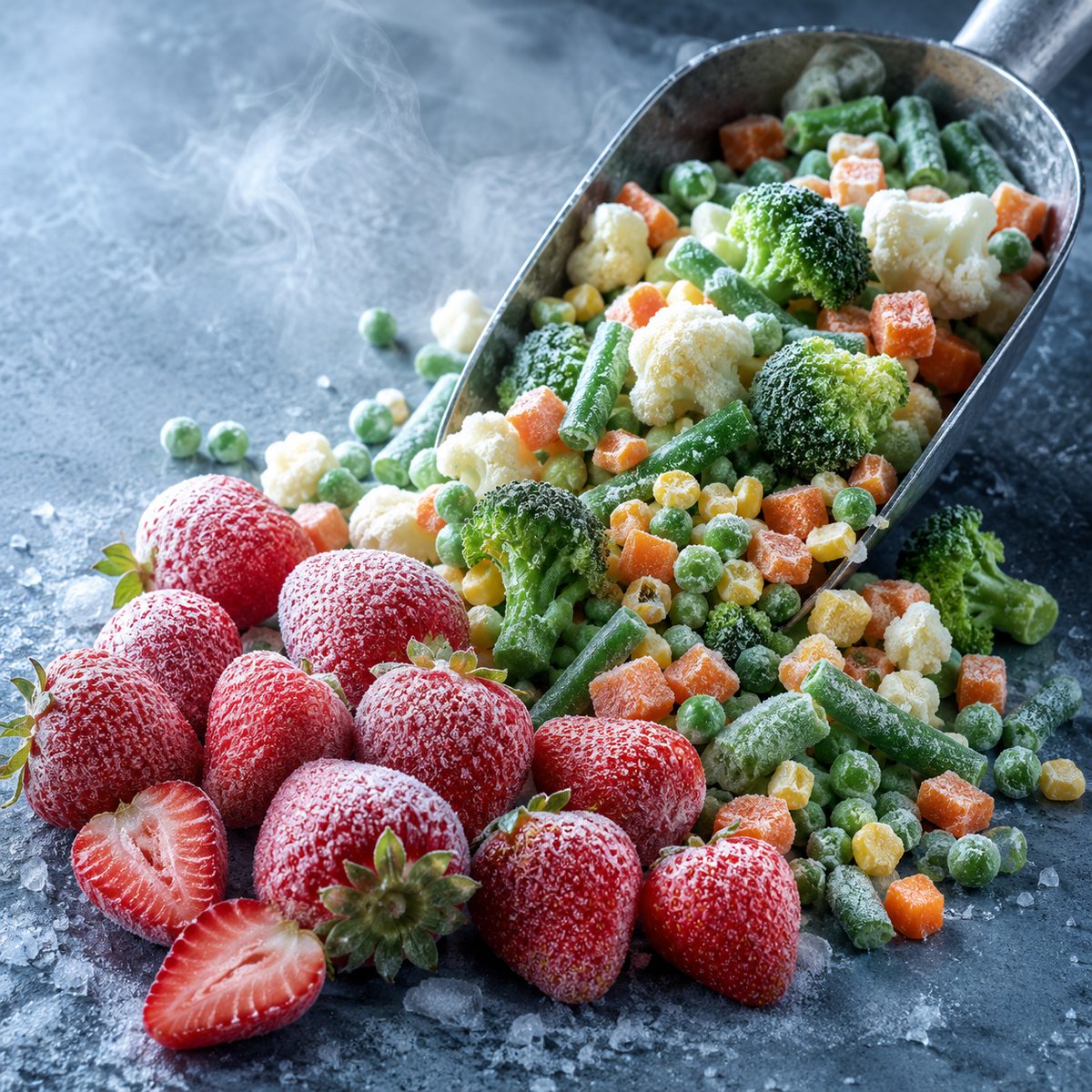
Grade Architecture — Matching Spec to End Use
| Grade | Spec | Best For | Price Band |
|---|---|---|---|
| Calibrated whole 15–25 mm | Uniform small fruit, stem-free | Retail bags, garnish, bakery décor | Highest |
| Calibrated whole 25–35 mm | Uniform large fruit | Retail, food service desserts | High |
| Uncalibrated Grade A | Whole fruit, mixed sizes | Jam, yogurt, compote | Mid |
| Grade B / broken | Halves, pieces, soft fruit | Juice, purée, concentrate | Economy |
Industrial buyers overpaying for calibrated fruit that gets cooked into jam is the commonest spec error in this trade; the reverse — retail bags packed from uncalibrated lots — is the costliest. Fix the grade to the end use in the contract and both errors vanish. The IQF vs block guide covers the freezing-method half of the spec.
Frozen Strawberries for Europe — FAQ
Where does Europe import frozen strawberries from?
Egypt leads as the world’s largest exporter and the continent’s baseline contract origin, with Poland’s domestic crop, Morocco, and long-haul Chinese fruit completing the field.
Are Egyptian frozen strawberries EU-compliant?
Leading plants run HACCP/ISO 22000 with BRC/IFS for retail, EU-limit MRL and micro testing per lot, virus protocols with documented water sourcing, and live lot-level traceability — verify each element rather than assuming.
When should European industry contract Egyptian frozen strawberries?
Pre-season, September–November, against the coming harvest — fixing volumes and grades at the cycle’s best pricing with scheduled drawdowns through the year.
Egyptian Festival vs Polish Senga — which for my application?
Festival for color-driven uses (preps, smoothies, toppings, retail bags) and cost-sensitive volume; Senga where traditional tart jam profiles specifically call for it — many industrial users blend both.
Fix Your Pre-Season Contract
Nile Prime — the premium brand of PEI Trade — contracts IQF programs from certified plants: WhatsApp +20 109 911 1918 · [email protected] · IQF frozen strawberries — specifications.
Sources: Tridge — Egypt frozen strawberry exports · PEI Trade.