
Egyptian citrus exports are the largest fresh-orange trade on earth — roughly two million tonnes a season to more than a hundred markets, a position built in barely fifteen years of orchard expansion and packhouse investment. This report gives importers the working numbers: what ships, where it goes, how the season distributes, and what changes next. Data companion to the complete citrus export guide.
Last updated: July 2026 · By the Nile Prime export team
Table of Contents
- The Headline Numbers
- Where Egyptian Citrus Goes
- What Built the #1 Position — and What Sustains It
- Outlook
- Egyptian Citrus Exports — FAQ
- Source From the #1 Origin
- Reading the Report Like an Importer
- Trends to 2030
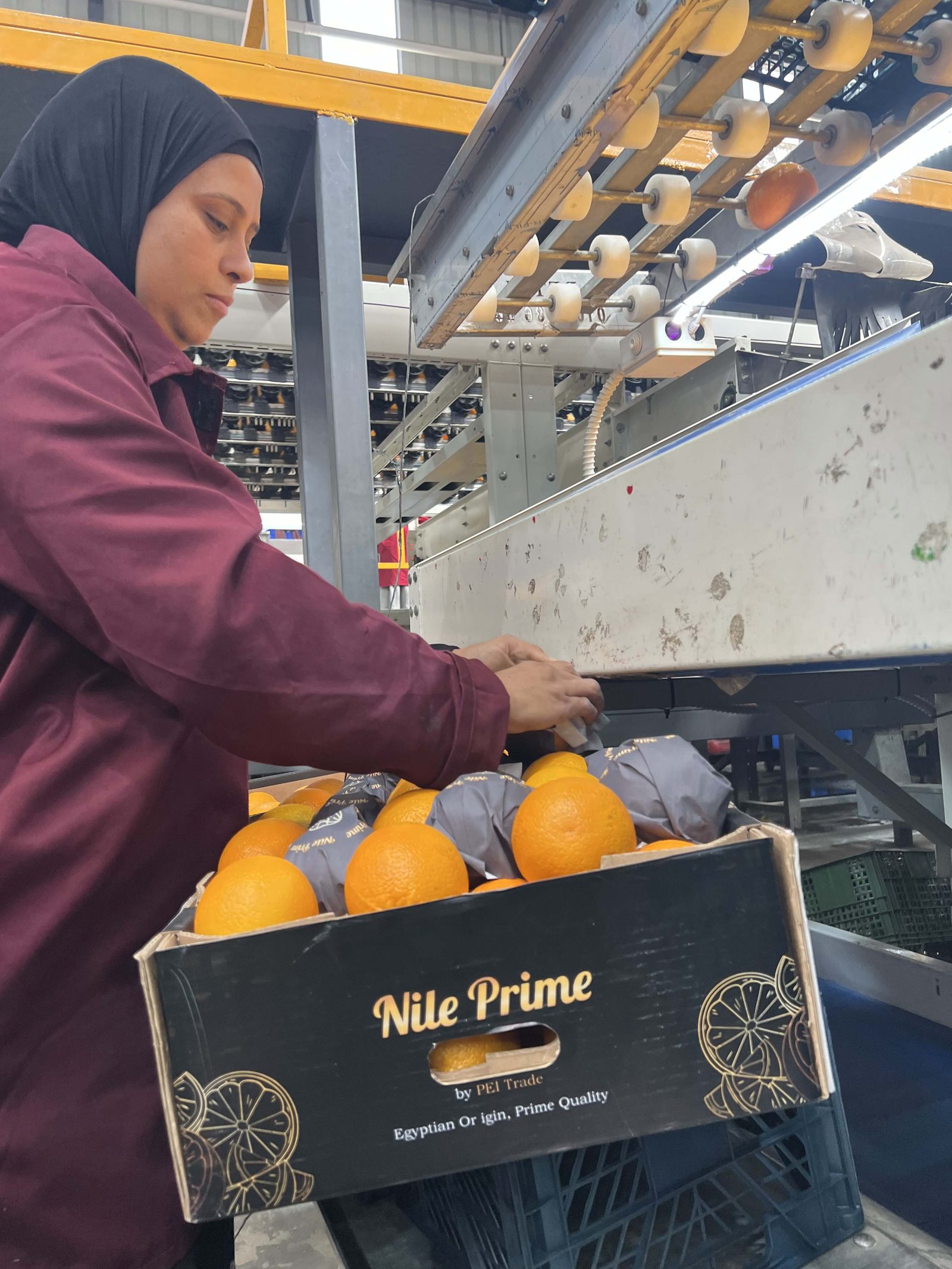
The Headline Numbers
| Indicator | Level | Direction |
|---|---|---|
| Total citrus exports | ≈ 2 million tonnes/season | Holding world #1 in oranges |
| World rank, fresh oranges | #1 exporter | Ahead of Spain & South Africa on volume |
| Destination markets | 100+ | Broadening east (China, SE Asia) |
| Season | December–May | Valencia extending the tail |
| Product mix | Oranges dominant; mandarins & lemons rising | Easy-peeler share growing |
Where Egyptian Citrus Goes
| Region | Role | Notes |
|---|---|---|
| Russia & EAEU | Historic volume anchor | Kent-to-Valencia programs on established lanes — see the Russia guide |
| Gulf & Middle East | Full-basket premium + volume | Short transit, mandarin premiums — see the Gulf guide |
| EU & UK | Compliance-led retail | Valencia value proposition vs Spanish pricing |
| China & Far East | Fastest-growing lane | Protocol trade, 18–25 day reefers, gift-grade sizing |
| India & South Asia | Growing volume | Price-driven counts, strong Ramadan-adjacent demand |
| Africa | Steady regional trade | West & East African wholesale programs |
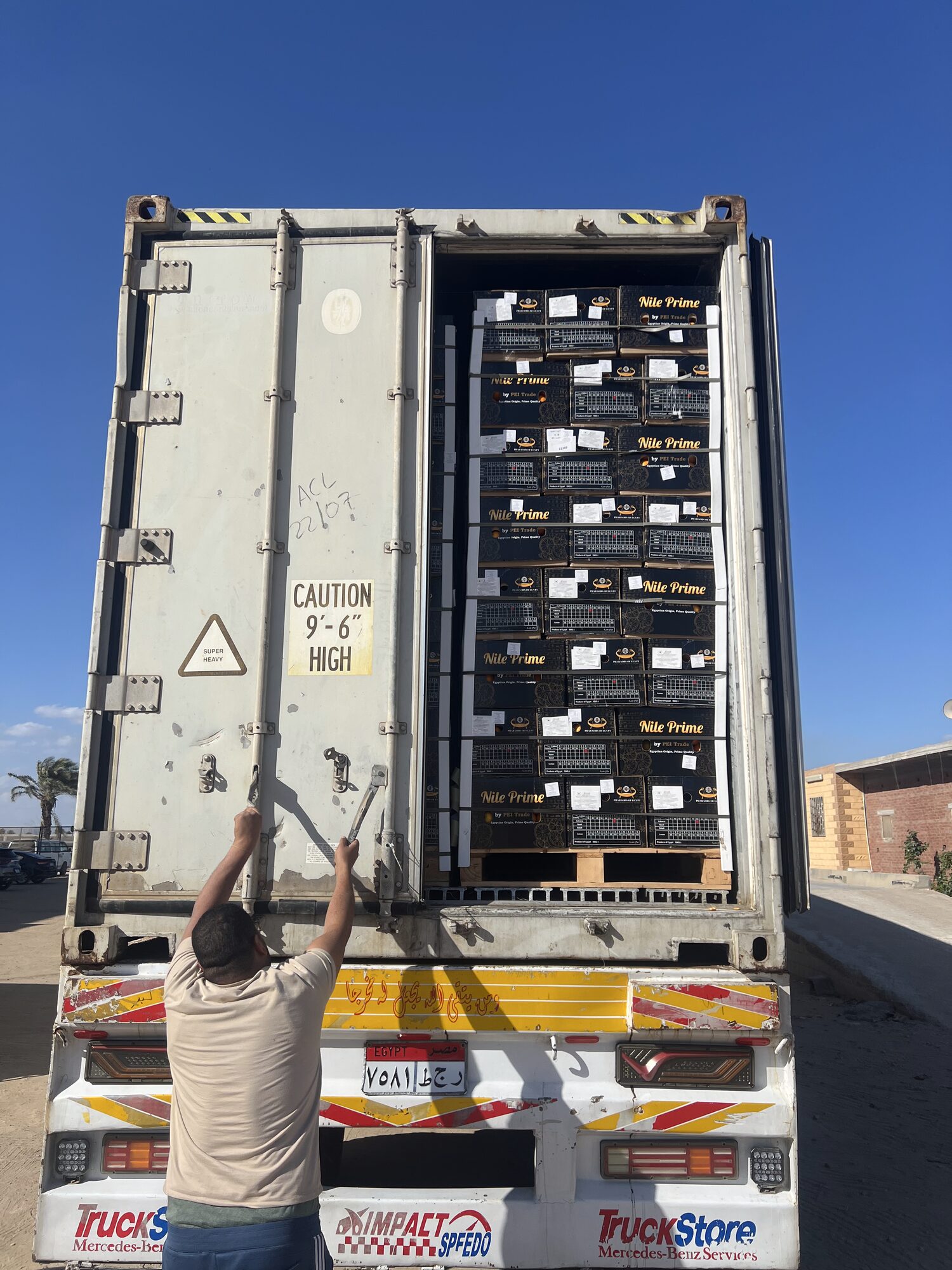
What Built the #1 Position — and What Sustains It
- Reclaimed-desert orchards: massive new plantings on sandy soils with drip irrigation — young, productive trees still entering bearing.
- Cost position: growing and packing economics that undercut Mediterranean competitors at equal grade.
- The Valencia double play: one variety serving juice contracts and table retail simultaneously.
- Logistics gravity: Alexandria, Damietta, and Sokhna feeding three directions — Europe, the Gulf, and Asia — in under two weeks each.
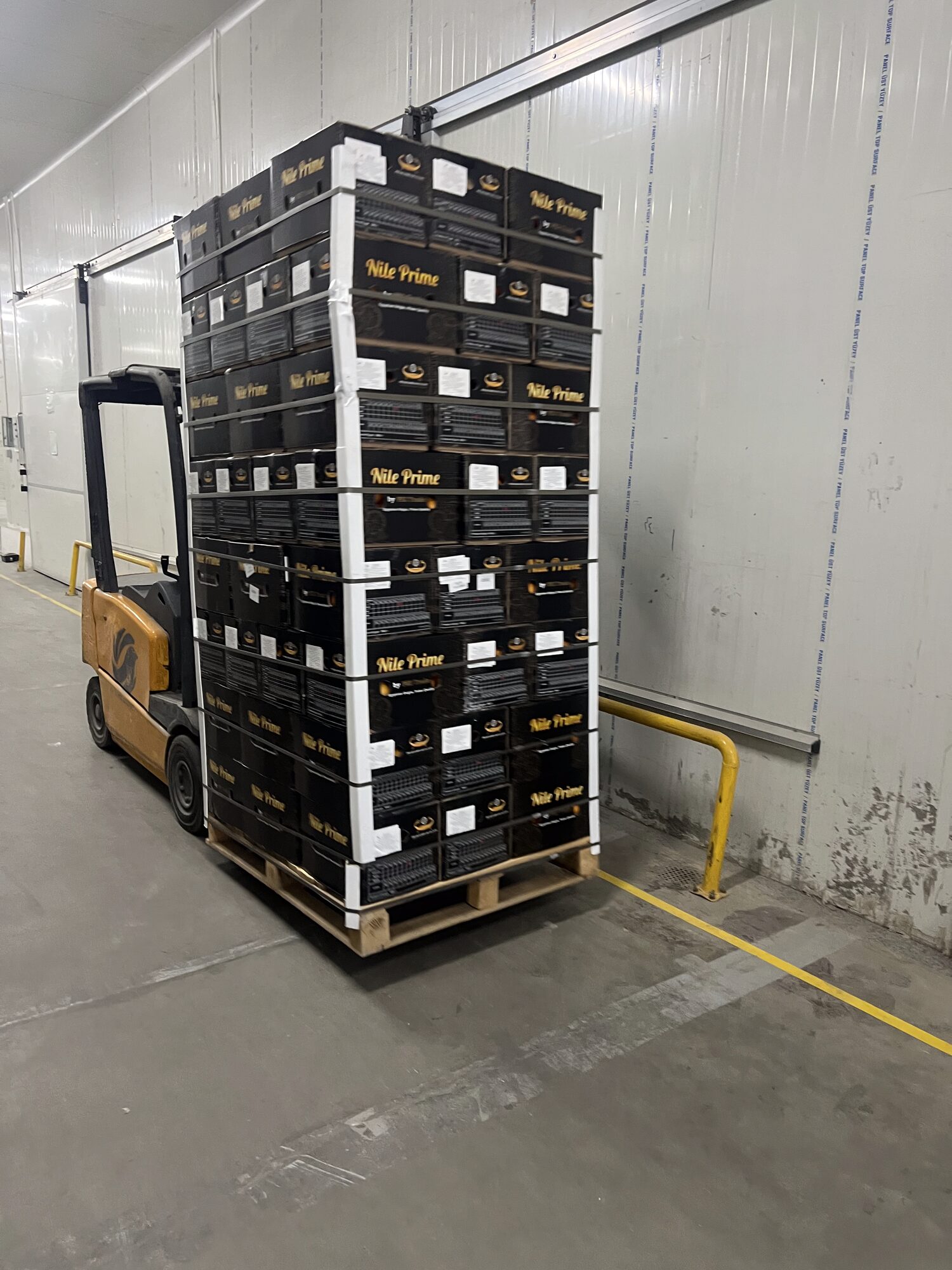
Outlook
Expect more of three things: eastern growth (China protocols deepening, Southeast Asia opening), premiumization (branded cartons and easy-peelers lifting average values), and compliance stratification — the EU’s tightening MRL regime will keep separating disciplined exporters from the rest. For buyers, the strategic read is unchanged: Egypt is the volume-and-value anchor of world citrus from December to May, and programs contracted by October get the best of it. Rankings in the citrus companies guide; timing in the season calendar.
Worked Example: Reading the Report Like an Importer
Statistics only matter when they change a decision, so run a hypothetical decision through this report. A Malaysian importer weighing Egyptian against South African citrus for next winter reads three numbers: export volume trajectory — Egypt shipping roughly two million tonnes of oranges a year and holding the world’s top exporter position tells him allocation exists even in tight years, but also that he’s competing with 100+ destinations for it; destination mix — the Gulf, Russia, and the EU absorbing the largest shares means Asian buyers get the marginal fruit unless they commit early, which argues for a September frame, not a December scramble; the counter-season logic — South African fruit owns his May–October shelf, Egyptian fruit owns December–April, so the origins are complements, not substitutes, and his real task is stitching the two calendars with minimal gap weeks. Three numbers, one sourcing strategy. That is what export statistics are for — everything else is trivia.
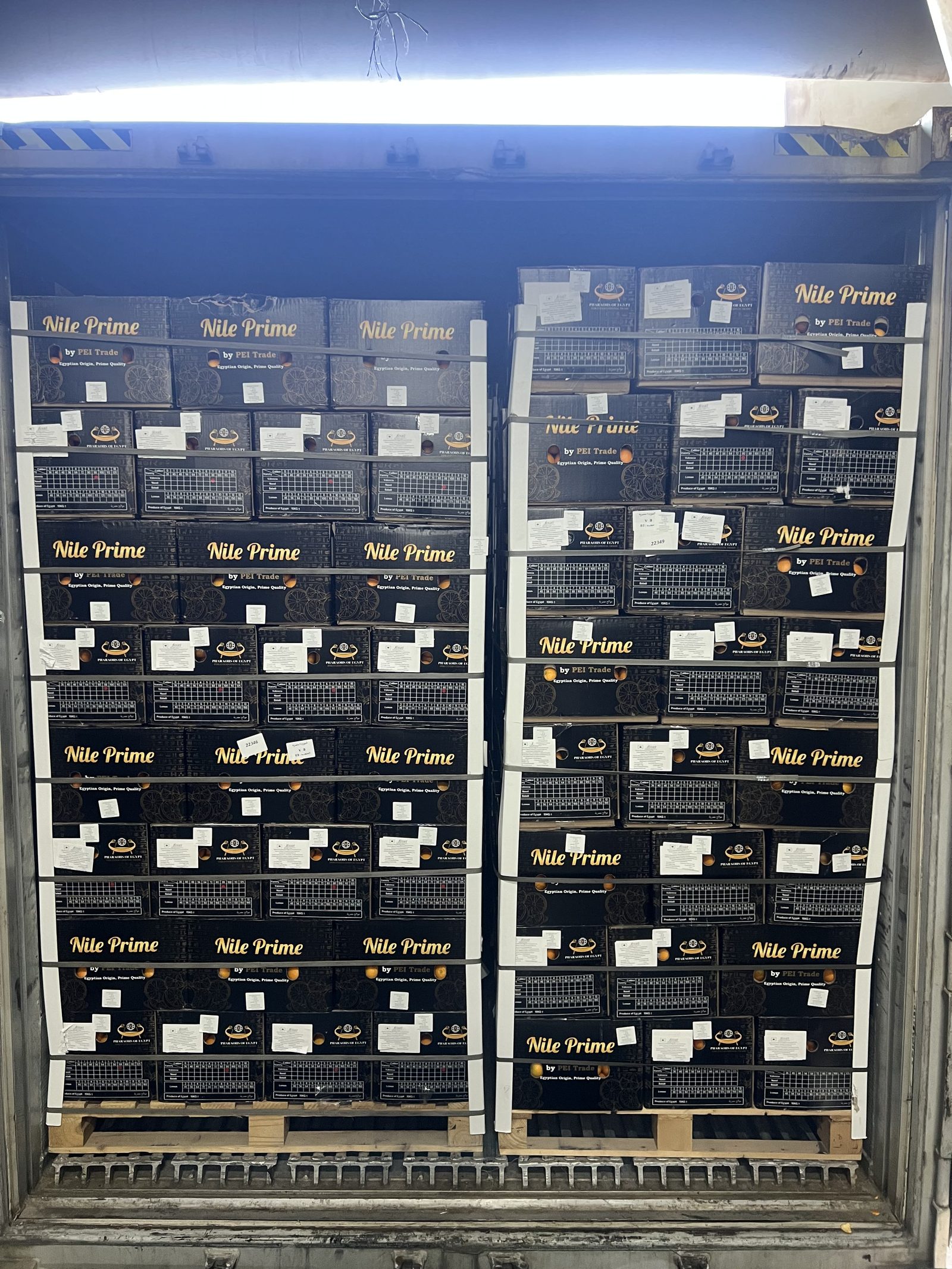
Structural Trends to Watch Through 2030
- New plantings maturing: reclamation-land citrus keeps adding bearing acreage; volume growth is supply-driven, not weather luck.
- Premiumization: the share of fruit moving in branded, wrapped, display-grade formats rises yearly as Gulf and Asian retail deepen.
- Red Sea logistics: Sokhna capacity growth strengthens the Gulf/Asia lanes where Egypt’s transit advantage is largest.
- Juice-industry pull: global juice shortages periodically redirect Valencia volumes to processing, tightening fresh-market supply late-season.
- Currency pass-through: EGP moves keep reshaping FOB competitiveness with a lag — the cost base is local, the revenue is dollars.
Egyptian Citrus Exports — FAQ
How much citrus does Egypt export?
Roughly two million tonnes per season across oranges, mandarins, lemons, and grapefruit — making Egypt the world’s largest fresh orange exporter, ahead of Spain and South Africa on volume.
Which country buys the most Egyptian oranges?
Russia and the EAEU have historically anchored volume, with the Gulf, EU, and a fast-growing Chinese lane completing the core — over a hundred destination markets in total.
Why is Egyptian citrus cheaper than Spanish?
Structural cost advantages — land, labor, and modern high-density orchards — plus freight lanes of comparable length to Europe. At equal grade, Egyptian Valencia consistently lands below Spanish fruit in the same window.
What is the outlook for Egyptian citrus exports?
Continued volume leadership with growth shifting east, rising easy-peeler and branded shares lifting values, and EU compliance requirements increasingly separating top exporters from the field.
Source From the #1 Origin
Nile Prime — the premium brand of PEI Trade: WhatsApp +20 109 911 1918 · [email protected].
Sources: Tridge — Egypt orange export data · PEI Trade — Citrus Export Report.