
Container types for produce decide outcomes before any vessel sails: the same onions thrive in a ventilated box in January and cook in it in July; frozen strawberries have exactly one container type on earth; and paying reefer rates for cargo that wanted a $800-cheaper dry box is the quietest margin leak in the import business. This guide maps the 40RF reefer, ventilated, and dry container options against every major Egyptian product, with the seasonal switching rules that professionals run.
Table of Contents
- The Three Families and What They Do
- The 40RF Reefer — Settings That Matter
- Ventilated Containers — The Onion Specialist
- Dry Boxes — Where Cheap Is Correct
- Worked Example: One Importer’s Container Calendar
- The Product-Container Matrix
- FAQ
- Sources
The Three Families and What They Do
A reefer (40RF high-cube) is a refrigeration machine wrapped around ~28 tonnes of payload: it holds any setpoint from −30°C to +25°C, controls fresh-air exchange, and costs accordingly — both in freight premium and in the discipline it demands. A ventilated container (“coffee container”) is a dry box with passive vents engineered for airflow: no machinery, no setpoint, just continuous air exchange that lets living, breathing cargo shed heat and moisture. A standard dry box is sealed steel: cheapest, ubiquitous, and correct for any cargo that neither breathes nor melts. The craft is matching cargo biology to box physics — and re-matching it as seasons change.
The 40RF Reefer — Settings That Matter
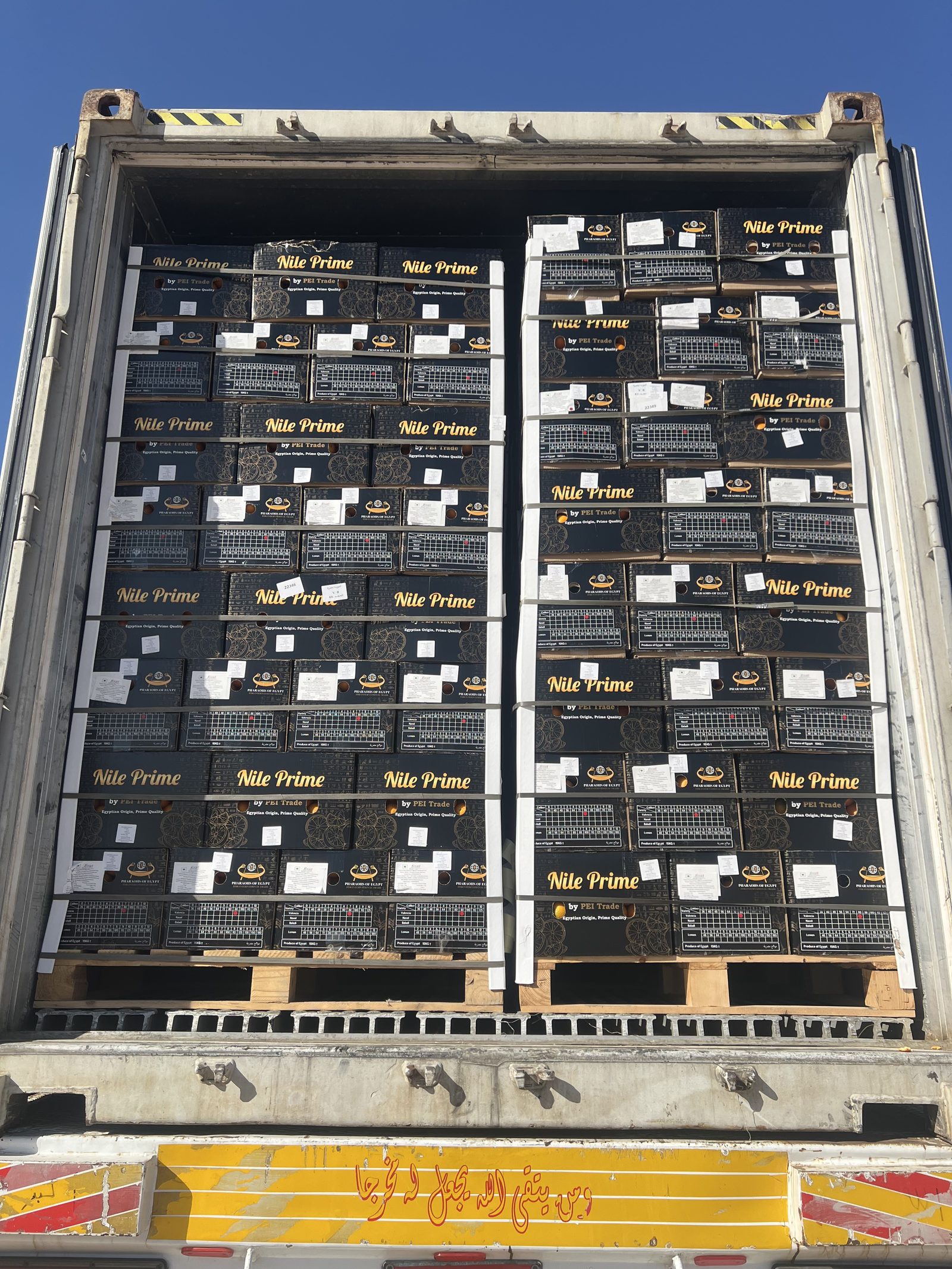
- Setpoint: product-specific and non-negotiable — citrus +3 to +5°C, strawberries −0.5 to 0°C, mangoes +10 to +12°C (chilling injury below), frozen −18°C. The full table sits in the reefer guide.
- Fresh-air vents: open for respiring fresh cargo (15–25 m³/h typical), fully closed for frozen — an open vent on a frozen load is a defrost cycle with a bill.
- Humidity and drainage: standard settings serve most produce; the exceptions are documented per product.
- Pre-cooling: the machine maintains temperature — it cannot pull 20 tonnes of field heat; warm-loaded cargo arrives cooked regardless of settings.
- The data logger: the voyage’s black box and every claim’s star witness, per the claims guide.
Ventilated Containers — The Onion Specialist
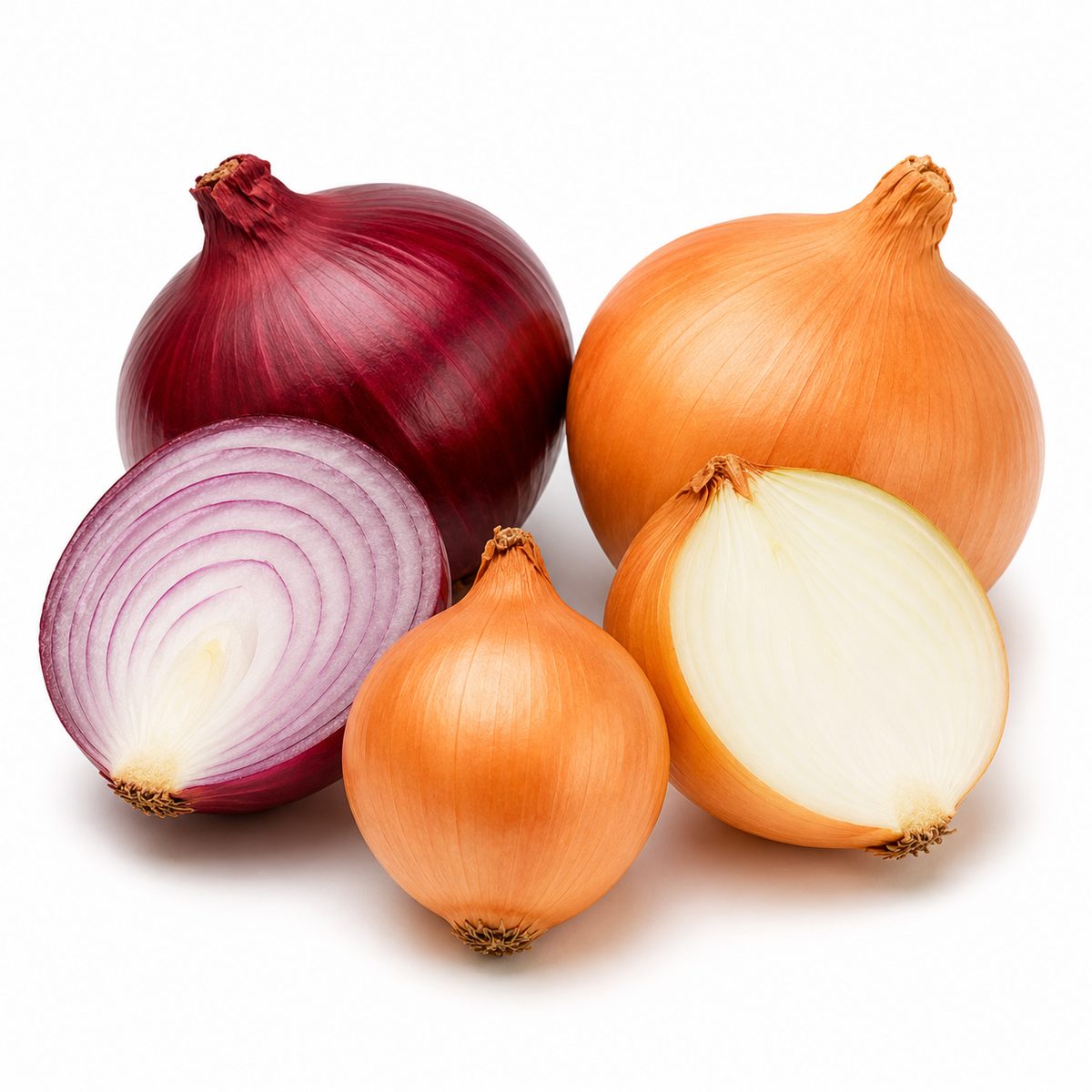
The ventilated container is the onion trade’s signature equipment — and its economics are the point: freight typically runs hundreds of dollars below reefer on the same lane, with better outcomes for cured onions in cool months, because onions in cold storage-style reefer conditions can condensate on discharge into hot ports, while vented boxes equalize gradually. The professional switching rule for Egyptian onions and garlic: ventilated from roughly October–April (cool lanes, cured crop), reefer in the hot months (May–September) when ambient heat would cook even well-cured bulbs. Potatoes run similar logic on short cool lanes; pumpkins and hard squash likewise. The failure mode to respect: a vented box offers zero protection against ambient extremes — the same equipment that saves $600 in January destroys cargo in August. Calendar discipline, not equipment preference, is the skill.
Dry Boxes — Where Cheap Is Correct
Cleaned, sorted, and properly dried commodities want the cheapest sound box available: legumes (fava beans, lentils, chickpeas at under ~14% moisture), rice, dried herbs and spices, dates of the dry types, and processed shelf-stable goods. The dry-box disciplines are humble but real: moisture content verified before stuffing (the difference between cargo and compost on a three-week voyage), desiccant bags and kraft-paper lining against condensation (“container rain”) on lanes crossing climate zones, and pallet configuration per the packaging guide. Paying reefer money for well-dried beans is charity to the shipping line; shipping marginal-moisture cargo dry to save money is gambling the whole container to win the freight difference.
Worked Example: One Importer’s Container Calendar
A hypothetical Dammam importer buys four Egyptian product lines year-round, and his equipment bookings read like a textbook. January: oranges in reefers at +4°C, onions in ventilated boxes (saving ~$550/container vs reefer on the lane), fava beans dry with desiccants, frozen okra at −18°C vents-closed. April: same pattern, but he watches the forecast — Gulf spring is arriving. June: the switch: onions move to reefers at storage settings; the vented saving no longer survives the ambient heat. Mangoes join at +11°C — and his clerk’s standing instruction sheet prevents the classic error of “one setpoint fits all fruit” (a +4°C mango container would arrive chill-injured, dull-skinned, and unripenable). October: onions return to vented boxes as temperatures break. Across the year in this sketch, the calendar discipline saves roughly $11,000 in equipment costs versus all-reefer booking — and avoids the two classic disasters (summer vented onions, winter-cold mangoes) that each cost more than the year’s savings. The container is a tool with seasons; his booking sheet knows them.
The Product-Container Matrix
| Product | Standard Choice | Seasonal Switch |
|---|---|---|
| Citrus, strawberries, grapes, mangoes | Reefer, product setpoint | None — always reefer |
| Frozen (IQF) everything | Reefer −18°C, vents closed | None, ever |
| Onions, garlic | Ventilated (cool months) | Reefer May–Sep |
| Potatoes, sweet potatoes | Reefer +6–8°C / +13–15°C | Vented viable on short cool lanes |
| Legumes, dried goods | Dry + desiccant + lining | None — moisture spec instead |
| Fresh herbs | Reefer (often air freight instead) | None |
FAQ
What is the difference between reefer and ventilated containers?
A reefer is an active refrigeration machine holding any setpoint from −30°C to +25°C; a ventilated container is an unpowered dry box with passive vents that continuously exchange air — ideal for cured onions and garlic in cool months at freight rates hundreds of dollars below reefer.
When should onions ship ventilated versus reefer from Egypt?
Ventilated roughly October–April, when ambient temperatures along the lane stay moderate; reefer May–September, when summer heat would damage even well-cured bulbs. The switch dates flex with the destination lane’s climate.
Can frozen products ever ship in anything but a reefer?
No — IQF and frozen goods require −18°C with fresh-air vents fully closed, without exception. Any other equipment is a total-loss event in progress.
Why did my mangoes arrive damaged in a properly working reefer?
Most likely chilling injury: mangoes need +10 to +12°C, and a citrus-style +4°C setpoint injures them invisibly at loading, showing as dull skin, gray flesh, and failure to ripen at destination. The setpoint must match the product, not the fleet habit.
Sources
Container Handbook — GDV cargo and container engineering standards (containerhandbuch.de) · Maersk and Hapag-Lloyd — reefer and special equipment guides (maersk.com, hapag-lloyd.com) · USDA — commodity storage requirements (ams.usda.gov) · PEI Trade — equipment selection across Egyptian product lines · UK P&I Club — cargo ventilation guidance (ukpandi.com).