
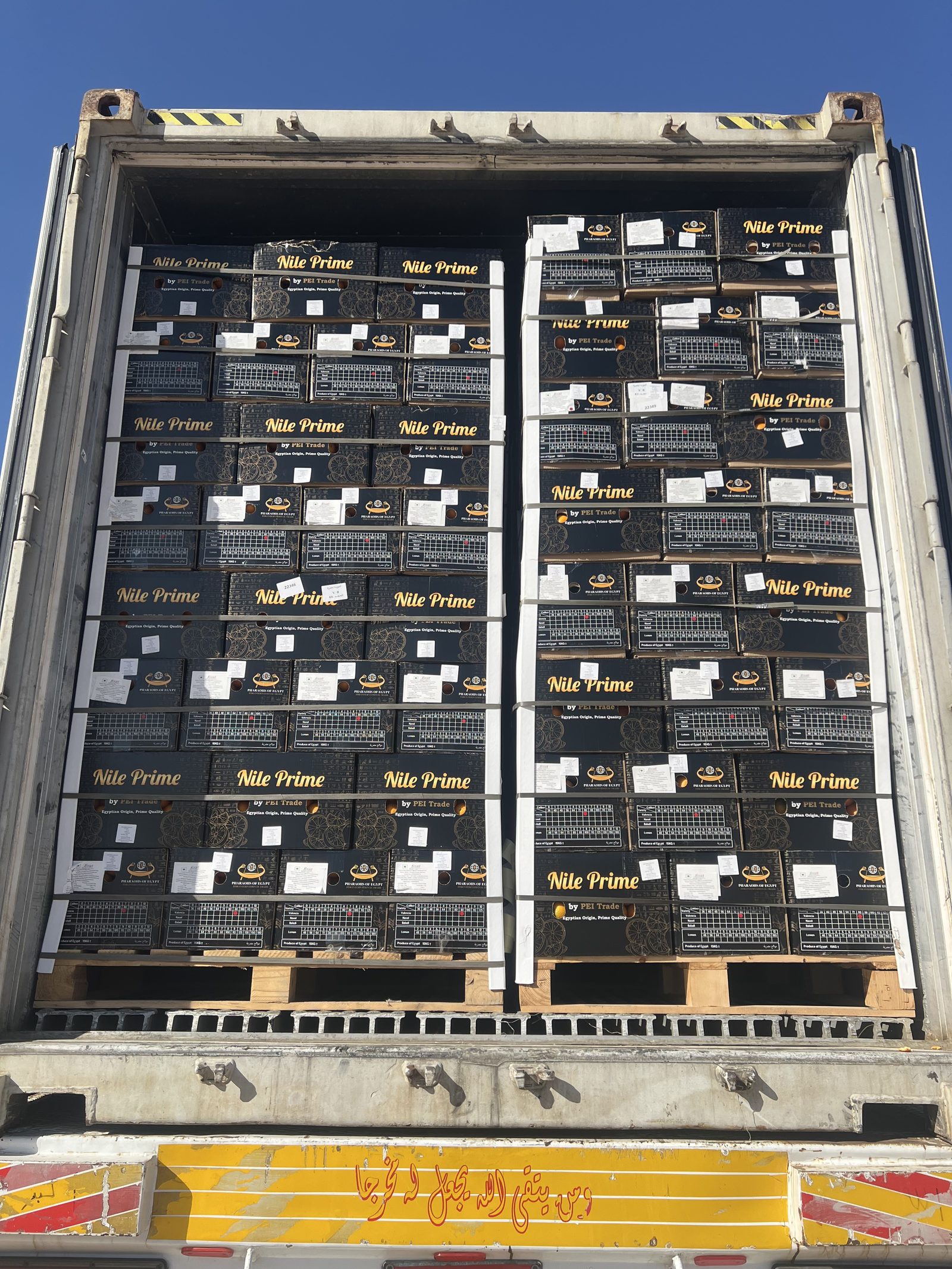
A quality claim on a citrus container is a commercial negotiation, not a technical argument. Both sides usually agree on what the fruit looks like. What they disagree on is whether the condition breaches the contract, when the damage occurred, and what it is worth. The importers who recover value are not the ones with the strongest complaint. They are the ones with a file that was built in the first few hours after the doors opened.
The first hour decides the claim
Before anything is unloaded, photograph the container number and the seal, intact and in place, then the seal after cutting. Download the reefer’s temperature trace from the machine before the box leaves your yard, not a week later. Photograph the stow as found, doors open, with the pallet pattern visible. These four items take fifteen minutes and they are what separates a defensible claim from an assertion.
Then work the fruit. Pull samples across the load, not from the door pallets alone, because door-end fruit is systematically the warmest and the most bruised and a sample taken only there will overstate the problem in a way the supplier can demonstrate. Record pallet and carton lot codes with every sample. Measure pulp temperature at the fruit, count defects by category rather than lumping them into a single percentage, and photograph representative fruit next to a scale or a size reference.
Separate condition from quality
This distinction decides most disputes. Quality defects are inherent to the fruit at packing: wrong size, poor colour, scarring, misgrading, insufficient maturity. Condition defects develop after packing: decay, chilling injury, rind pitting, dehydration, over-ripeness. A quality defect points at the packhouse. A condition defect points at the cold chain, and the temperature trace decides which party’s segment of it.
Get the classification right before writing to the supplier, because presenting a condition problem as a grading failure invites an argument the claim does not need. The defect definitions are set out in our references on rind disorders on Egyptian citrus and decay control in transit.
Reading the tolerance
A contract that says Class I carries an implicit tolerance. A contract that names a number carries an explicit one. Either way the tolerance is a threshold, not an allowance to be consumed. If the specification allows five percent total defects and the inspection finds seven, the claim is normally argued on the two points of excess and on the commercial consequence of it, not on the full seven. Buyers who claim on the whole figure tend to receive nothing while the arithmetic is disputed.
Check also how the tolerance is expressed: by count or by weight, per carton or per consignment, and whether individual defect categories carry sub-limits. Those three details change the result more often than the defect count does.
Independent survey
On a container-scale claim, an independent surveyor from SGS, Intertek, Control Union or a recognised local equivalent is usually worth the fee. An unchallenged third-party report settles faster than an exchange of photographs. Instruct the survey immediately, before any sorting, repacking or onward delivery, because a load that has already been worked is a load whose original condition can no longer be established.
Deadlines
Contractual notice periods on fresh produce are short, commonly twenty-four to seventy-two hours from discharge or delivery, and they are enforced. Insurance and carrier claims run to their own separate clocks and require their own notice, which is why a claim against the cargo policy and a claim against the supplier should be opened in parallel rather than one after the other. If the temperature trace shows the failure happened in the carrier’s custody, the supplier is not the correct counterparty at all. The loading-side record that establishes the condition at departure is described in sealing and documenting an Egyptian reefer.
What settlement usually looks like
Full rejection is rare and rarely in either party’s interest. The common outcomes are a credit note against the affected pallets, a price adjustment on the invoice, a discount carried to the next shipment, or a shared cost where the trace is ambiguous. Arrive with a documented number and a proposal. Arriving with a complaint and no figure invites delay.
To agree an arrival specification, tolerance and claim procedure in writing before the first container ships, message the Nile Prime desk on WhatsApp at +20 10 9911 1918.