
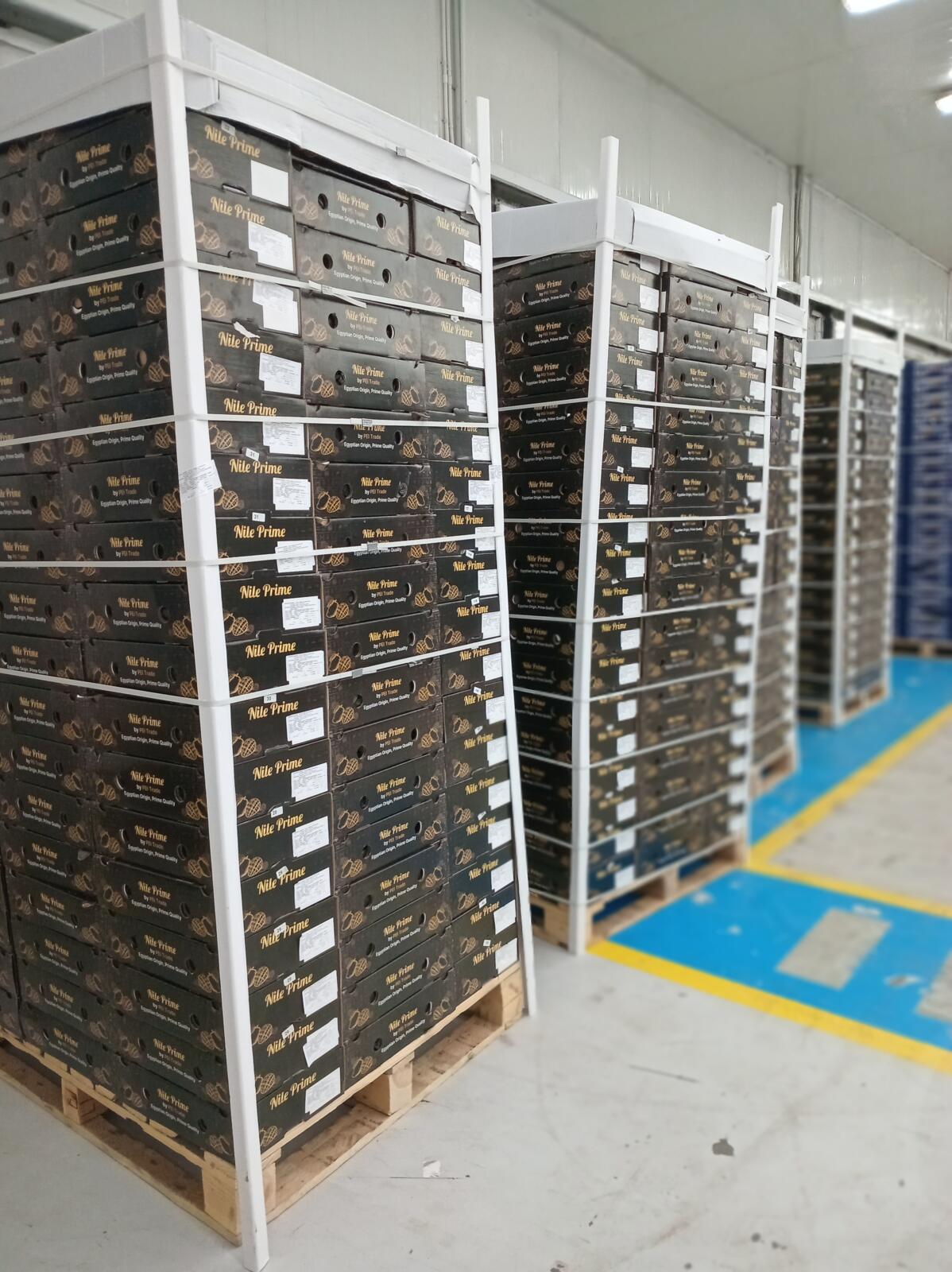
Every August we get the same question from buyers looking at longer routes. The fruit arrives sound on a 12 day transit to Jeddah or Dubai, so why does the same programme land soft and patchy on a 24 to 30 day run to Southeast Asia or the far side of Europe. Part of the answer is atmosphere control, and it is worth understanding before paying for it.
What a CA container actually does
A standard reefer holds temperature and moves air. It does not manage the gas mix inside the box. Mango keeps respiring after harvest, drawing down oxygen, giving off carbon dioxide and producing ethylene. On a short transit that matters little. On a long one, the fruit burns through its own reserves, softens, and arrives with less remaining shelf life at the receiver.
A controlled atmosphere unit actively lowers oxygen and raises carbon dioxide to a target the crop tolerates. Respiration slows, ripening slows, and the fruit reaches the discharge port at a firmer stage. For mango the working range is commonly quoted around 3 to 5 percent oxygen and 5 to 8 percent carbon dioxide, held at a pulp temperature of 12 to 13 degrees Celsius. Exact settings vary by variety, maturity at harvest and the shipping line’s equipment, so agree them with the carrier and confirm them in writing on the booking.
Which routes justify the premium
CA equipment carries a surcharge over a standard reefer and it is not available on every service or every sailing. As a rule of thumb, it earns its money above roughly 20 days port to port, and on any route where the receiver needs the fruit to sit in a distribution centre for several days after discharge rather than moving straight to a ripening room. Short GCC and Mediterranean runs from Alexandria or Damietta rarely need it. Southeast Asia, the far end of the Baltic, and West Africa are where it changes the arrival picture.
Keitt is the variety most often shipped CA out of Egypt in the late season, because it holds firmness well and is the fruit still in volume in August and September. Details of the current Keitt position are in our note on late-season Egyptian mango.
What CA does not fix
This is the important part. Controlled atmosphere slows down what is already happening in the fruit. It does not reverse a bad start. Mango picked past optimum maturity will still arrive ripe. Fruit that missed pre-cooling and went into the box warm will still show uneven ripening, because CA cannot pull field heat out at the rate a forced-air tunnel does. Latent anthracnose infection will still express itself at destination. Excessive carbon dioxide, or oxygen pushed too low in an attempt to squeeze more days out of a shipment, produces off flavours and internal breakdown that look worse than normal over-ripeness.
In practice, correct harvest maturity, prompt pre-cooling and clean stowage deliver more benefit than CA on their own. Our guidance on reefer loading and stowage covers the pallet configuration and vent settings that let the air actually reach the fruit.
Specifying it on a booking
If you want CA, say so at the enquiry stage, not after the container is allocated. Ask for the target oxygen and carbon dioxide levels, the pulp temperature set point, whether the unit logs gas readings as well as temperature, and whether the data can be downloaded on arrival. Request a temperature logger inside the load in addition to the machine record. Where CA is unavailable on your preferred service, an earlier pick and a tighter pre-cooling window is usually the better trade rather than accepting a longer standard-reefer transit.
Talk to us about your route
Tell us your discharge port, transit time and how many days the fruit needs to hold after arrival, and we will advise whether CA is worth the surcharge on your lane. WhatsApp +20 10 9911 1918.