
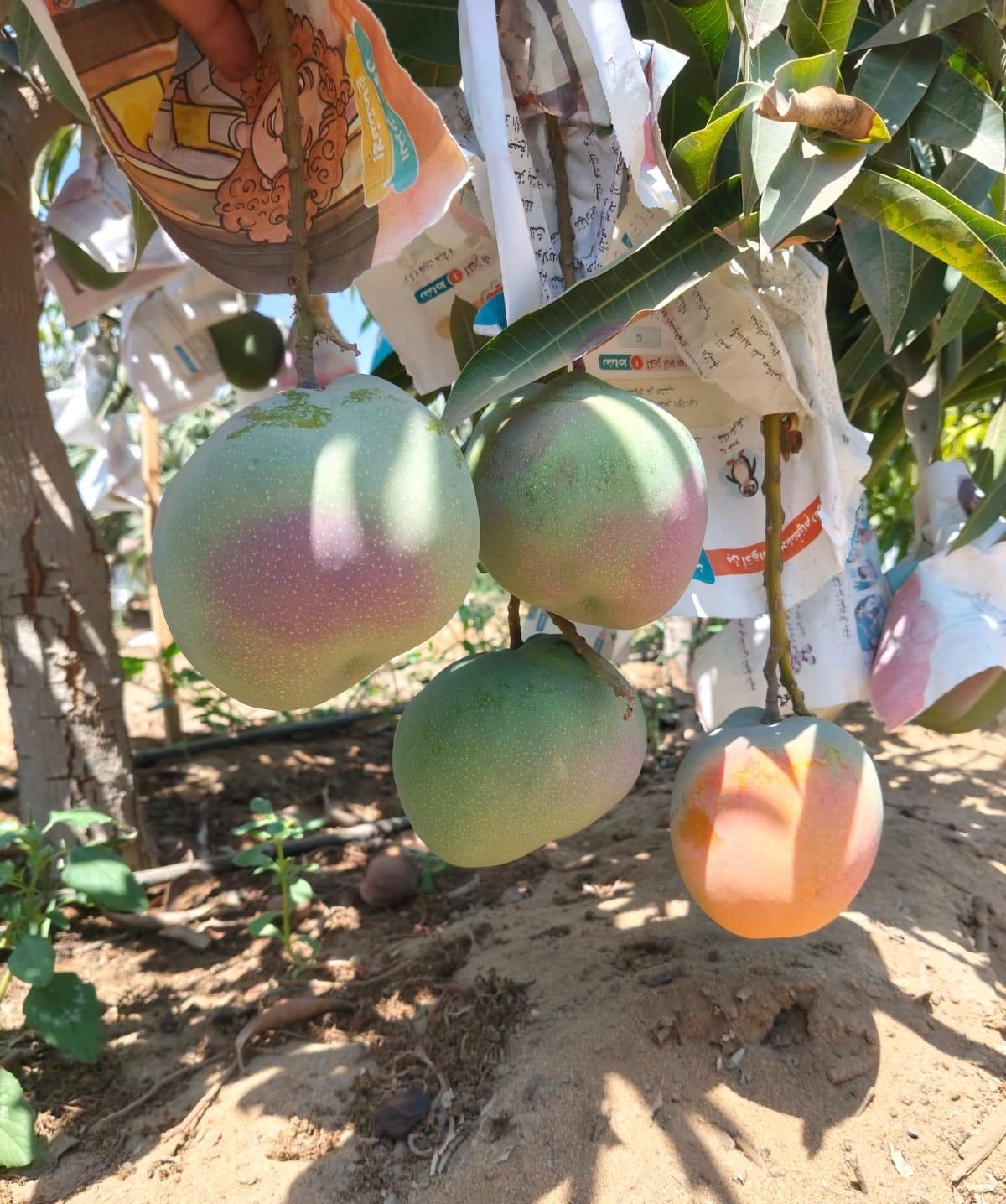
Two importers can ask for the same Keitt specification, the same carton and the same port, and receive materially different prices. The reason is rarely negotiation skill. It is the shape of the commitment. Understanding how an Egyptian mango season is actually allocated will tell you more about your landed cost than any amount of haggling over a single container.
What a spot purchase really buys
A spot container is a single load, bought against whatever is available in the week you ask. It carries no forward obligation on either side, which is its main attraction. The cost is that you are buying at the margin of the crop. In a tight week, spot fruit is whatever is left after programme buyers have been served, and the price reflects that scarcity. In a heavy week, spot can be cheaper than programme pricing, which is precisely why some traders live on it. Spot works well for trial orders, for testing a new market, and for opportunistic buyers with flexible retail commitments. It works badly for anyone who has promised a supermarket fifty two weeks of shelf presence.
What a programme buys
A season programme is a written volume commitment across a defined window, usually stated in containers per week with a start and end date. In exchange, three things change. Allocation priority moves in your favour, so your fruit is picked and packed before uncommitted volume. Specification stability improves, because we can reserve specific grower blocks whose fruit matches your size profile rather than filling from whatever arrives at the packhouse. And pricing moves onto a mechanism rather than a weekly quote.
| Element | Spot | Programme |
|---|---|---|
| Commitment | Single container | Stated containers per week over a window |
| Price basis | Weekly market quote | Fixed, indexed or banded with review points |
| Allocation priority | After programme buyers | First call on reserved blocks |
| Size profile | What is running that week | Agreed count range with tolerance |
| Best for | Trials, opportunistic buying | Retail listings, continuous supply |
The clauses that matter
Three provisions decide whether a programme survives contact with the season. The first is volume tolerance. A programme written at four containers per week with a plus or minus fifteen percent tolerance is workable. One written as an absolute figure will be broken by the first heat wave that shifts harvest timing by ten days. The second is the size substitution clause. Fruit size is a function of the crop, not of the contract, so agree in advance what happens when your requested count is short and what the price adjustment looks like. The third is the quality and claims procedure, agreed before the first container loads rather than after a dispute, as set out in our note on how mango arrival disputes are documented and settled.
Price mechanisms
Fixed price across a whole season gives you budget certainty and transfers crop risk to the supplier, which is priced into the number. Banded pricing, where the figure moves within an agreed floor and ceiling according to market, splits that risk and is the most common structure we write. Cost-plus with an open freight component works for buyers on CFR terms who want visibility on where the money goes. Whichever you choose, understand the underlying cost drivers first, which we break down in what moves the FOB price on Egyptian mango.
Timing for the remainder of 2026
Kent volumes are past peak. Keitt is the variety carrying September and October, and programme space for that window is being committed in the next two to three weeks. If you intend to run continuous supply into the fourth quarter, this is the moment to convert a spot relationship into a written programme.
Send your target weekly volume, count range, destination port and preferred price mechanism to our team on WhatsApp at +20 10 9911 1918. We will return a draft programme with tolerance and review points stated in full.