
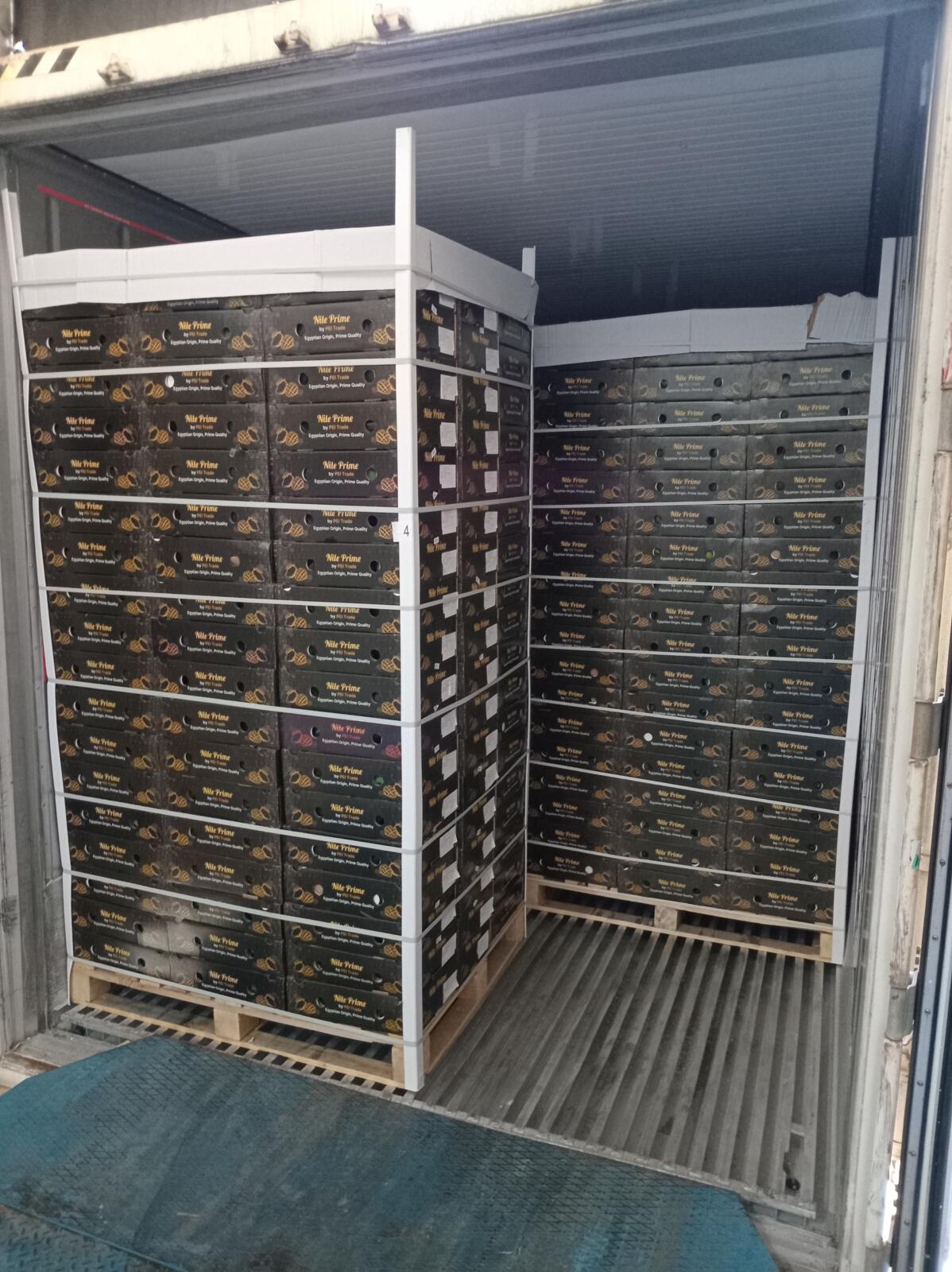
Mango is a live product travelling for two to three weeks in a sealed box. Most containers arrive as specified. Some do not. When a claim comes in, the difference between a settlement reached in three days and an argument that runs for three months is almost always the quality of the evidence, not the size of the problem. This is how we handle arrival claims at Nile Prime, and what an importer should have ready.
Report early, and report before you sell
A claim raised within 24 to 48 hours of container discharge, with the fruit still in the receiver’s cold store, is a claim that can be assessed. A claim raised after the load has been ripened, repacked and moved into distribution is very hard to evaluate, because the condition at arrival can no longer be separated from the condition after handling. Notify the shipper in writing on the day of discharge if anything looks wrong, even before you have full numbers.
What evidence actually carries weight
The reefer download. Every reefer container carries a data logger. The download shows supply and return air temperatures across the whole voyage, at intervals of an hour or less, plus any power interruptions. This single file decides most disputes. A flat trace at the agreed set point means the cold chain held and the issue originated before loading or after discharge. A trace showing a rise during transhipment or a gap at a port of call points at the carrier.
A written defect count. Not an impression, a count. Open a defined sample, for example ten cartons drawn from different pallets and different positions in the container, count fruit by defect type, and record the percentages. Anthracnose, internal breakdown, chilling injury, mechanical bruising, over-ripeness and stem-end rot are separate problems with separate causes, and lumping them into one figure makes the claim weaker rather than stronger.
Photographs with context. Wide shots showing the pallet and the container marking, then close shots of the affected fruit next to the carton label so the lot is identifiable. A photograph of a single bad mango proves nothing.
An independent survey. For any claim of commercial size, appoint a surveyor. SGS, Intertek and the major marine surveyors all attend arrivals. Their report is neutral, it is recognised by insurers, and it converts a disagreement between two commercial parties into a factual record.
Reading the cause
Different defects tell different stories. Chilling injury, which shows as greyish flesh, uneven ripening and dull skin, indicates the fruit was carried below its tolerance. Internal breakdown with normal external appearance usually means the fruit was harvested too mature. Anthracnose lesions that develop during ripening point to field pressure and post-harvest treatment. Bruising in a repeating pattern across a pallet points at handling or stowage. Reading the defect against the temperature trace normally identifies where responsibility sits, and it is often not a simple binary. Our note on shipping Egyptian mango by sea covers the set points and ventilation settings we work to.
Who carries the risk
The Incoterm decides where risk passes, not where blame lies. Under FOB, risk transfers when the goods are loaded on board, so an in-transit failure is a matter between the importer, the carrier and the cargo insurer. Under CFR and CIF the shipper arranges carriage but risk still passes at the ship’s rail. Under DAP the shipper carries risk to the named place. None of this prevents a shipper from taking commercial responsibility for a genuine origin defect, and we do. It does determine who claims against the carrier. The full breakdown sits in our guide to buying Egyptian mango on FOB or CFR terms.
How settlements are reached
Where a defect is confirmed as originating at packing, we settle by credit note against the affected proportion of the load, calculated from the surveyed defect percentage rather than from a whole-container write-off. Where the cause is in-transit, we support the importer’s claim against carrier or insurer with our loading records, pre-shipment inspection report and pulp temperatures at stuffing. Where the survey is inconclusive, we generally split the difference with a repeat buyer rather than let the relationship stall. That is a commercial decision, not a policy, and it depends on the trading history.
Preventing the claim
Agree the set point, ventilation and the defect tolerance in writing at order confirmation. Appoint a loading inspection on first shipments. Confirm the ripening protocol at your end matches the variety and maturity you bought. Most claims we see trace back to one of those three being left vague.
To discuss a shipment or set inspection terms before your next order, message Nile Prime on WhatsApp at +20 10 9911 1918.