
Every invoice, tariff calculation, and customs entry starts with six digits. This reference lists the HS codes for Egyptian produce — the harmonized classifications for every product in our catalog — with the practical notes that prevent misclassification, the customs error that costs importers real money. Bookmark it beside the documents checklist.
Last updated: July 2026 · HS 6-digit headings shown; national subdivisions (8–10 digits) vary by importing country — confirm with your broker.
Table of Contents
- Fresh Fruit
- Vegetables & Pulses
- Frozen Products
- HS Codes — FAQ
- Invoices Coded Right, Every Time
- Worked Example: One Wrong Digit
- Destination Tariff Schedules
- Classification Checklist
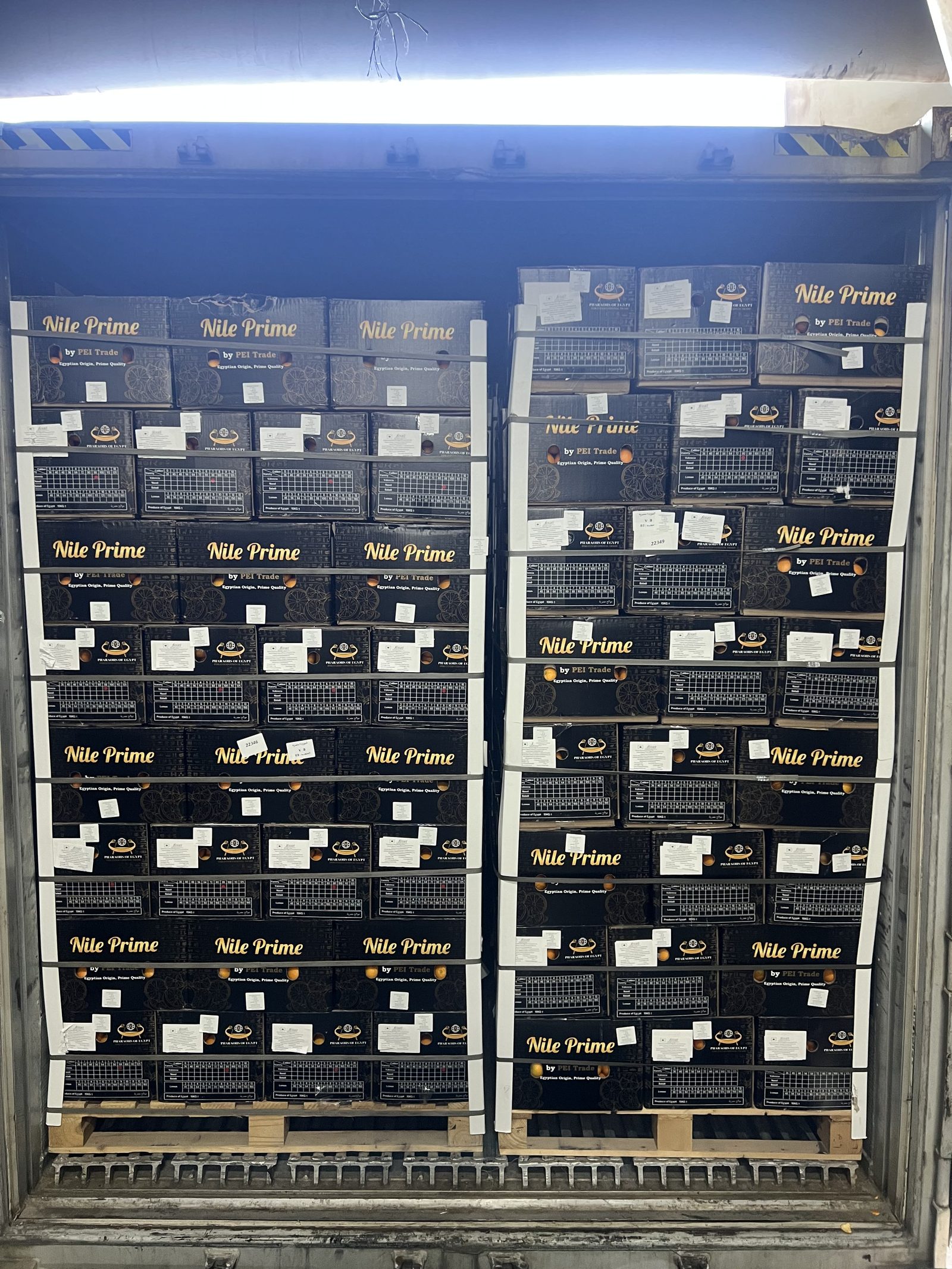
Fresh Fruit
| Product | HS Code | Note |
|---|---|---|
| Oranges (fresh) | 0805.10 | Valencia & Navel together |
| Mandarins & clementines | 0805.21 | Easy peelers own their line |
| Lemons & limes | 0805.50 | Both under one heading |
| Grapefruit | 0805.40 | — |
| Mangoes (fresh) | 0804.50 | Shared with guavas & mangosteens — national codes split them |
| Guavas (fresh) | 0804.50 | Same heading as mango |
| Dates | 0804.10 | Fresh or dried, one heading |
| Figs (fresh) | 0804.20 | — |
| Grapes (fresh) | 0806.10 | — |
| Strawberries (fresh) | 0810.10 | — |
| Pomegranates | 0810.90 | “Other fruit” — national codes specify |
| Watermelons | 0807.11 | — |
| Cantaloupes/melons | 0807.19 | — |
Vegetables & Pulses
| Product | HS Code | Note |
|---|---|---|
| Onions (fresh) | 0703.10 | With shallots |
| Garlic (fresh) | 0703.20 | Watch anti-dumping regimes in some markets |
| Potatoes (fresh) | 0701.90 | Seed potatoes are 0701.10 |
| Sweet potatoes | 0714.20 | — |
| Tomatoes | 0702.00 | EU entry-price system applies |
| Green beans (fresh) | 0708.20 | — |
| Peppers (fresh) | 0709.60 | — |
| Fava beans (dried) | 0713.50 | — |
| Chickpeas (dried) | 0713.20 | — |
| Lentils (dried) | 0713.40 | — |
| White/kidney beans | 0713.33 | — |
| Black-eyed beans | 0713.35 | Cowpeas heading |
| Olives (brine, provisional) | 0711.20 | Table-ready prepared olives → 2005.70 |
Frozen Products
| Product | HS Code | Note |
|---|---|---|
| Frozen strawberries | 0811.10 | Sugared vs unsugared split at national level |
| Frozen spinach | 0710.30 | — |
| Frozen beans/okra/molokhia | 0710.22 / 0710.80 | Okra & molokhia under “other vegetables” 0710.80 |
| Frozen mixed vegetables | 0710.90 | Mixtures heading |
Three practical warnings: (1) processed vs fresh changes chapters entirely — prepared olives jump from 07 to 20; (2) the EU’s entry-price system on tomatoes and some fruit changes duty by season and invoice price; (3) misclassification triggers reassessments and penalties — when in doubt, request a binding tariff ruling through your broker.
Worked Example: One Wrong Digit, One Expensive Container
A hypothetical scenario the trade knows too well: an importer in Mumbai books a container of IQF strawberries. The forwarder’s clerk, working from an old template, declares them under 0810.10 — fresh strawberries — instead of 0811.10, frozen with added classification detail. Indian customs flags the mismatch between a reefer at −18°C and a “fresh fruit” declaration. The container sits while a re-assessment runs: revised bill of entry, possible penalty for mis-declaration, and five days of demurrage and detention at the port’s rates — call it $150–200/day combined — plus the broker’s amendment fees. The duty difference itself may be small; the delay cost isn’t. Total avoidable bill: $1,000–1,500 and a week of shelf life on a product whose sale was scheduled. The fix cost nothing: the exporter’s invoice, packing list, and the importer’s bill of entry all carrying the same six digits, checked before sailing.
Same Product, Different Duty — Why Destination Tariff Schedules Matter
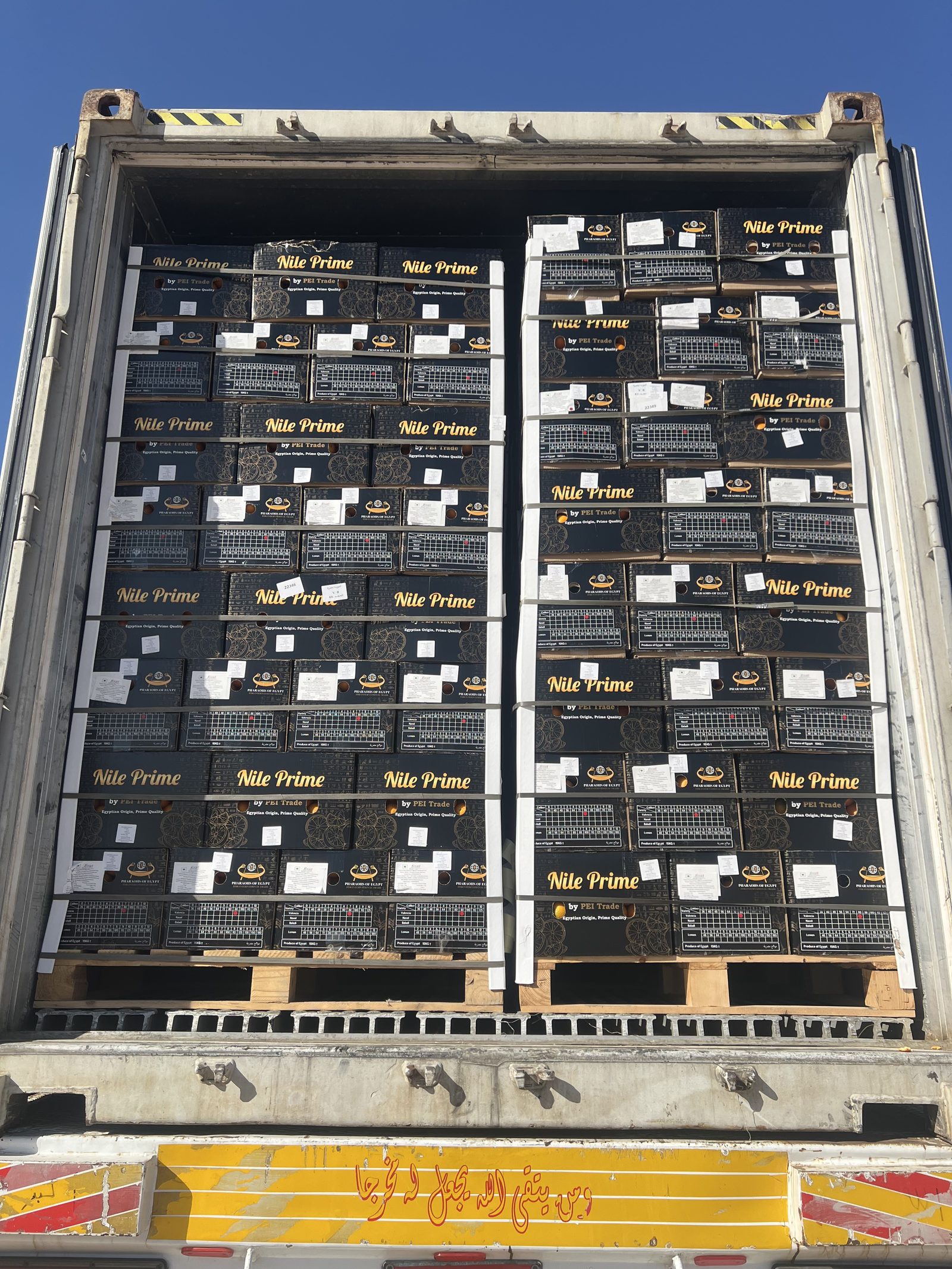
The first six digits are universal; everything after them is national. The practical consequence is that identical Egyptian oranges face different landed economics per market: the EU applies its entry-price system and seasonal duty windows to 0805.10; Gulf states apply a flat 5% common external tariff on most produce; India layers basic customs duty plus cesses; and preferential agreements rewrite everything — Egyptian goods enter many Arab markets duty-free under GAFTA with a proper certificate of origin, and enter the EU at reduced rates under the EU–Egypt Association Agreement. The professional habit: before pricing any new market, pull the destination’s tariff line for your full national code (8–10 digits), check which preference certificate applies, and price CIF-plus-duty — not CIF. The landed cost guide walks the full stack.
Classification Checklist for Produce Shipments
- Fresh vs frozen vs dried vs prepared — chapter changes (07/08 vs 20) change duty regimes entirely.
- Match the physical state: IQF product never travels under a fresh-fruit code.
- Invoice, packing list, certificate of origin, and phytosanitary certificate must all carry the same code.
- Confirm the destination’s national digits with the importer’s broker — the exporter’s 6 digits are the start, not the end.
- Claim the preference: GAFTA or EUR.1/EUR-MED certificates only save duty if issued and presented correctly.
- When genuinely ambiguous (mixes, prepared products), request an advance ruling rather than guessing.
HS Codes — FAQ
What is the HS code for Egyptian oranges?
0805.10 for fresh oranges (Valencia and Navel alike), with mandarins under 0805.21 and lemons & limes under 0805.50 — national 8–10 digit subdivisions vary by importing country.
What is the HS code for fresh mangoes?
0804.50 — a heading shared with guavas and mangosteens; most countries’ national tariff lines split mango out at the 8-digit level.
Do frozen and fresh products use the same HS codes?
No — frozen vegetables sit in 0710 and frozen fruit in 0811, separate from their fresh headings, and processing can move a product to a different chapter entirely (prepared olives: 2005.70).
Why do HS codes matter so much to importers?
They set duty rates, trigger regimes like the EU entry-price system, and drive customs risk profiling — misclassification causes reassessments and penalties, so confirm national codes with your broker.
Invoices Coded Right, Every Time
Nile Prime — the premium brand of PEI Trade — issues correctly classified documentation on every shipment: WhatsApp +20 109 911 1918 · [email protected].
Sources: WCO — Harmonized System Nomenclature · PEI Trade shipping practice.