
Frozen molokhia is the rarest thing in food trade: a product one origin effectively owns. The finely minced jute-leaf soup green is Egypt’s signature dish, Egypt grows it at scale nobody else attempts, and Egyptian plants freeze it the same day to a standard no competitor matches — which is why every Gulf supermarket freezer and every diaspora grocery from London to Sydney stocks Egyptian molokhia specifically. This guide covers grades, specs, and the trade for buyers who may be discovering the category. Part of the frozen vegetables guide.
Last updated: July 2026 · By the Nile Prime export team
Table of Contents
- What It Is — and Why Demand Is Guaranteed
- Grades, Formats & Specs
- Buying It Right
- Frozen Molokhia — FAQ
- Stock the Category Owner
- Worked Example: US Distributor
- Writing a Spec That Holds
What It Is — and Why Demand Is Guaranteed
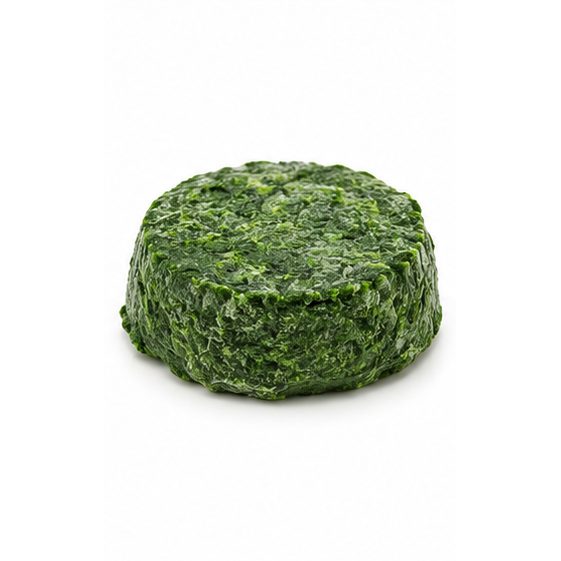
Molokhia (jute mallow) is minced to a fine green velvet and cooked into the garlic-coriander soup that defines Egyptian home food — with parallel traditions across the Levant, Sudan, and beyond. Fresh leaves wilt in hours, so the global market runs almost entirely on frozen: minced leaves frozen within hours of harvest, holding color and texture for a year-plus. Wherever Egyptians, Levantines, or Sudanese live, the freezer stocks it — demand is demographic, steady, and growing with every migration wave.
Grades, Formats & Specs
| Parameter | Standard |
|---|---|
| Product | Finely minced leaves — stems excluded in premium grade |
| Color | Vivid dark green — the quality signal buyers check first |
| Formats | 400 g flat packs (retail standard), 1 kg family, blocks for food service |
| Freezing | Same-day from harvest; blanched, minced, frozen |
| Storage/shipping | −18°C unbroken; 24 months shelf life |
| Certifications | HACCP/ISO 22000 plants; micro + MRL per lot |
| Private label | Standard — the category is largely private-label at retail |
Buying It Right
- Color test: dull or yellowing green means slow freezing or old stock — reject on sight.
- Mince fineness: the Egyptian standard is velvet-fine; coarse mince reads as inferior to the customer who knows.
- Stem content: premium grade excludes stems — specify it.
- Harvest windows: summer is peak production — annual contracts against the season get best pricing, shipments year-round at −18°C alongside okra and the wider frozen basket.
Worked Example: An Ethnic-Foods Distributor in New Jersey
Consider a hypothetical US distributor serving Arab, Egyptian, and Levantine grocery stores from New Jersey to Michigan. Molokhia is a staple SKU — and a sourcing headache: prior suppliers shipped inconsistent chop sizes and the occasional stemmy lot that generated store complaints. The rebuild: February — contract a season program with an Egyptian IQF plant: 6 containers across the May–September production window, 400 g retail bags under the distributor’s brand, fine-chop leaf-only spec with stem content capped in writing. May–September — monthly production runs from fresh summer harvest, each lot’s FDA prior notice and labeling handled against a checklist agreed once. Year-round — drawdowns from his US cold store keep 300+ stores stocked through winter when no fresh molokhia exists anywhere in the hemisphere. Scenario economics: committing before the season fixed his cost within a narrow band while spot prices moved 20% across the year, and the written chop spec cut store complaints to near zero. Invented distributor — but this is precisely the structure behind most of the molokhia sold in Arab groceries across North America and Europe.
Writing a Molokhia Spec That Holds
- Chop grade: fine chop (the Egyptian standard), coarse chop, or whole leaf — name it; “chopped” alone invites disputes.
- Leaf purity: stem and vein content capped as a percentage; leaf-only commands the premium.
- Color: deep green frozen fast after harvest; browning signals delay between field and tunnel.
- Format: 400 g retail bags, 1 kg food service, or 10 kg industrial blocks — with private-label printing lead times planned.
- Season timing: summer production window May–September; contract in Q1 for the year’s volume.
Frozen Molokhia — FAQ
Why is frozen molokhia almost always Egyptian?
Egypt grows jute mallow at a scale no other origin attempts, freezes it same-day beside the fields, and sets the culinary standard — fine mince, vivid green — that the global market judges by. It is effectively an Egyptian category.
Who buys frozen molokhia?
Gulf retail chains as a freezer staple, and ethnic/diaspora grocery worldwide — wherever Egyptian, Levantine, or Sudanese communities live — plus food service serving those cuisines.
How is frozen molokhia packed?
400 g flat retail packs dominate, with 1 kg family sizes and food-service blocks — largely private label, shipped at −18°C with 24 months of shelf life.
What marks premium-grade molokhia?
Vivid dark-green color (fast freezing), velvet-fine mince, and stem-free leaf content — with per-lot micro and residue testing from a certified plant.
Stock the Category Owner
Nile Prime — the premium brand of PEI Trade — supplies premium-grade molokhia, retail and private label: WhatsApp +20 109 911 1918 · [email protected] · Frozen molokhia — specifications.
Sources: PEI Trade frozen operations · category trade practice.