
Egyptian fava beans are the most culturally loaded product in this catalog: ful is Egypt’s national breakfast, and everywhere Egyptians and Levantines live, demand for the right bean follows — which is why fava moves through Gulf retail, European ethnic wholesale, and diaspora markets on three continents. The trade splits between whole beans for stewing and split beans for tameya (falafel), and the buyer who understands that split — and bean size culture — buys correctly the first time. Part of our legumes guide.
Last updated: July 2026 · By the Nile Prime export team
Table of Contents
- Types & What Each Is For
- Quality Specs That Matter
- The Trade’s Honest Structure
- Egyptian Fava Beans — FAQ
- Buy the Cultural Standard
- Worked Example: Container Math
- Specifying Like a Professional
Types & What Each Is For
| Type | Description | Culinary Use | Main Buyers |
|---|---|---|---|
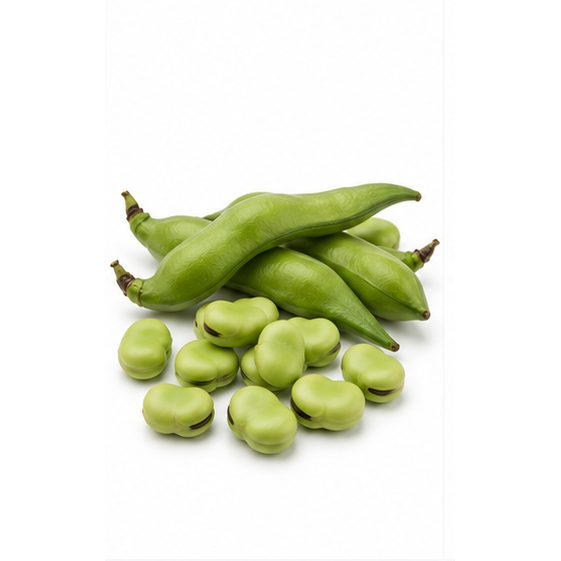
| Whole fava (large) | 7–9+ mm, intact skin | Ful medames — the slow-stewed classic | Gulf retail, restaurants, canneries |
| Whole fava (medium) | 6–7 mm | Everyday ful, mixed use | Wholesale everywhere |
| Split fava | Skinned & split | Tameya/falafel, bessara | Food service, diaspora retail |
| Green fava (frozen) | Fresh-frozen young beans | Stews & sides | Frozen retail — see frozen guide |
Quality Specs That Matter
- Cooking quality: the bean must soften evenly — ask for a cook test on the actual lot; hard-cooking beans are the trade’s classic complaint.
- Uniform size & color: light tan, unblemished skins for whole; clean yellow for split.
- Moisture ≤14%, purity 99%+, documented fumigation — the standard pulse specs.
- Fresh crop matters: new-crop beans (spring harvest) cook better than carryover — confirm crop year in the contract.
The Trade’s Honest Structure
Egypt consumes more fava than it grows — the country imports bulk beans (Australia, UK, Baltics) while simultaneously exporting processed and packed fava: cleaned, sorted, split, and retail-packed to Egyptian culinary standards. What buyers purchase from Egyptian exporters is that processing expertise and the cultural spec — the bean selection, splitting quality, and pack formats the ful market actually wants. Retail packs of 500 g–1 kg under private label dominate; canneries and food service buy 25–50 kg. Ambient shipping, 12–24 months shelf life — the classic low-risk consolidation item alongside olives and the wider pulse range.
Worked Example: A Khartoum-Route Trader’s Container Math
Fava beans are the one crop where Egypt is the world’s demand center rather than its supplier — Egypt imports most of what it eats — yet Egyptian processors also re-export cleaned, sorted, and split beans across Africa and the Middle East. A hypothetical trader supplying Sudan and Yemen runs it like this: purchase — bulk Australian and Baltic-origin beans land in Egypt; local plants clean, size (8+ mm commanding the premium), polish, and split. Value math per container: a 24-tonne box of raw beans bought at, say, $700/tonne becomes sorted 8 mm+ whole beans at $850–900 and split beans (ful medames grade) at similar levels — the $100–150/tonne processing margin funding sorting lines that hit 99.9% purity. Sale — 1 kg and 25 kg bags under the buyer’s brand move to Port Sudan and Aden, where Egyptian-processed beans outsell raw-origin imports because the cleaning standard defines the category. Invented trader, real structure: in fava beans, Egyptian packhouses sell processing excellence, and buyers sourcing “Egyptian fava beans” are mostly buying that.
Specifying Fava Beans Like a Professional
- Form: whole beans, split (majra), or crushed — different products, different prices, name the form first.
- Caliber: 8+ mm premium table grade; 6–8 mm standard; smaller runs to processing.
- Purity and defects: foreign matter, broken, and insect-damage percentages capped in writing; 99.9% machine-sorted purity is the modern benchmark.
- Moisture: below ~14% for safe container transit; higher invites condensation damage on hot routes.
- Packing: 25/50 kg PP bags for wholesale, 500 g–1 kg retail bags with private-label options.
- Origin honesty: ask where the raw beans grew — reputable processors state it plainly on the spec sheet.
Egyptian Fava Beans — FAQ
What are Egyptian fava beans used for?
Whole beans for ful medames — Egypt’s national dish — and split skinned beans for tameya (Egyptian falafel) and bessara, plus frozen green fava for stews; each use demands a different spec.
What should I check when buying fava beans?
A cook test on the actual lot (even softening), crop year (new crop cooks better), size and color uniformity, moisture ≤14%, purity 99%+, and documented fumigation.
Does Egypt import or export fava beans?
Both — Egypt imports bulk raw beans to feed enormous domestic demand while exporting cleaned, split, and retail-packed fava processed to the culinary standards the global ful market wants.
How are Egyptian fava beans packed and shipped?
Retail packs of 500 g–1 kg (private label standard) and 25–50 kg bags for food service and canneries — ambient dry containers, 12–24 months shelf life, ideal consolidation cargo.
Buy the Cultural Standard
Nile Prime — the premium brand of PEI Trade — packs whole and split fava to ful-market spec, private label available: WhatsApp +20 109 911 1918 · [email protected] · Fava beans — specifications.
Sources: Tridge — Egypt fava bean trade · PEI Trade.