
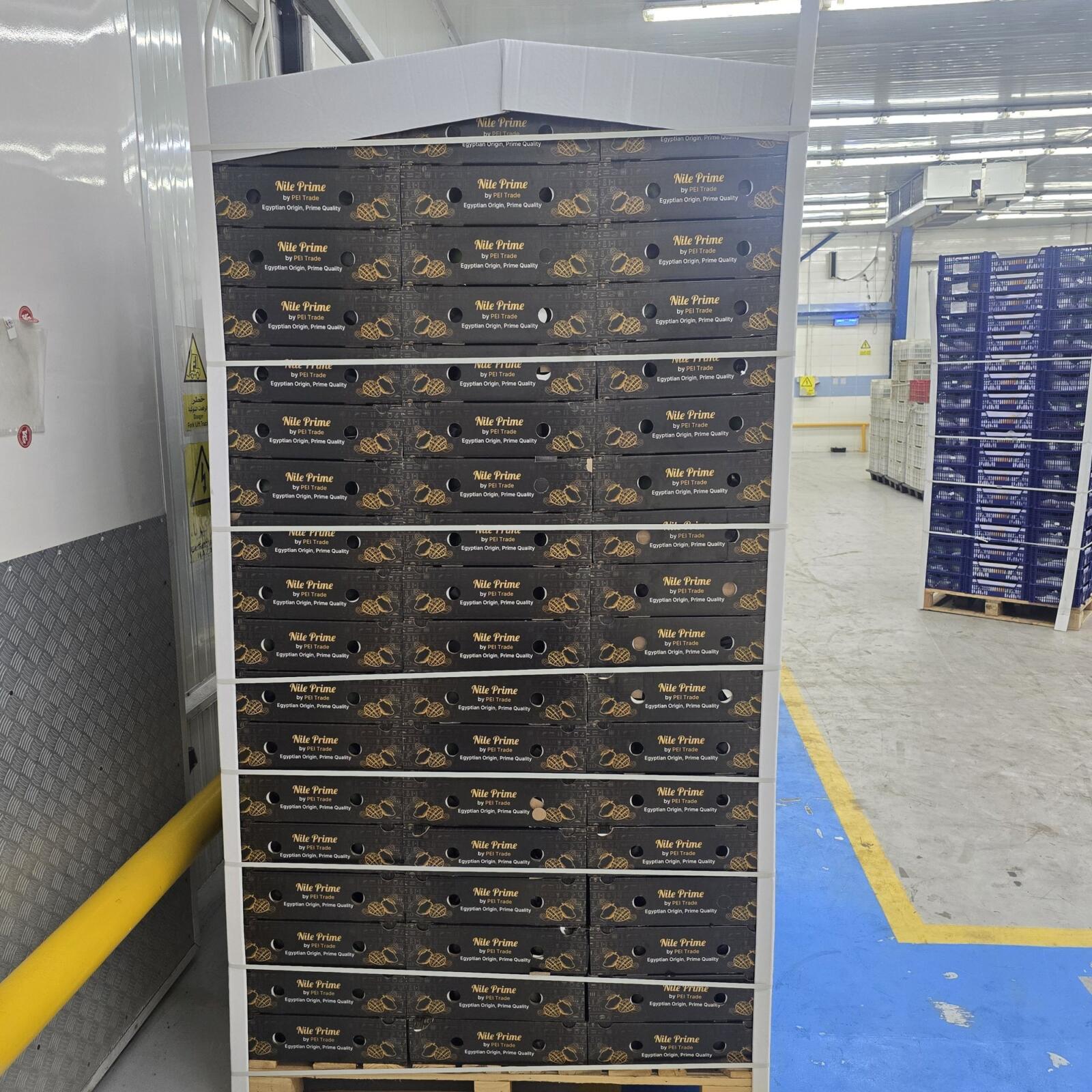
Every mango season brings a wave of new names offering Egyptian fruit. Some of them run orchards and packhouses. Many of them are intermediaries who will buy the fruit after your order is confirmed, from whichever packer has volume that week. Both models can deliver a good container. Only one of them can tell you in advance what is actually going into it.
Distinguishing between the two takes a handful of specific questions. None of them are aggressive, and a real exporter answers all of them without hesitation.
Ask what they control and what they buy
The first question is simply whether the packhouse is owned, leased, or contracted, and whether the fruit is grown, contracted from named growers, or purchased on the open market. There is no wrong answer. An exporter who contracts fruit from a fixed group of growers under a season agreement has good control. An exporter who buys at the collection market on the day has almost none.
The follow-up question is the useful one: which growing areas, and how many growers. A supplier who says Ismailia and Sharqia and can name the districts is describing a real supply base. A supplier who says Egypt is describing a purchase.
Ask for the certificates and then check the numbers
Request the GLOBALG.A.P certificate and the GGN, and the packhouse food safety certificate, whether that is BRCGS, IFS or ISO 22000. Two details matter more than the certificate itself. First, whether the GGN belongs to the grower or the exporter, because on produce the farm certificate covers the orchard and a separate certificate covers the packhouse. Second, the validity dates, since certificates lapse and a supplier who sends last year’s PDF is telling you something.
GLOBALG.A.P numbers can be verified directly on the public database. It takes two minutes and it is worth doing on every new counterparty. What each standard actually proves is set out in our note on organic and certified Egyptian mango and what buyers should verify.
Ask for evidence from last season, not promises for this one
A real exporter has a shipping history. Ask for the number of mango containers loaded last season, the destination markets, and whether they can share a redacted bill of lading or packing list from a comparable shipment. Ask which lines they book with and out of which port. Somebody who has loaded forty reefers of Keitt out of Alexandria answers immediately. Somebody who has not will change the subject.
Ask, too, about claims. An exporter who says they have never had a quality claim in five seasons is either very small or not being straight with you. The better answer describes a claim, how it was assessed, and how it was settled. Our note on arrival condition and claims describes what a fair process looks like.
Ask technical questions and listen to the specificity
Technical fluency is difficult to fake. Useful questions include the carry temperature they set for Keitt and why, whether they hot water treat and at what time and temperature, what dry matter figure they harvest at, how they handle the cold chain between the packhouse and the terminal, and what happens to fruit that fails the grading line.
Precise answers with numbers indicate somebody who runs the operation. Vague reassurance about quality and freshness indicates somebody who is reselling.
Structure the first shipment to limit exposure
Verification only goes so far, so the first order should carry its own protections. Appoint an independent pre-shipment inspection by SGS, Intertek or Bureau Veritas and make loading conditional on the report. Require photographs of the packed pallets and the loaded container with the seal number visible. Specify a temperature logger inside the load and require the download on arrival. Agree the grading standard in writing with tolerances stated as percentages rather than adjectives.
On payment, a deposit with the balance payable against scanned documents is normal on a first Egyptian mango shipment. A supplier demanding full payment in advance from a new buyer, or one accepting open terms from a stranger, is unusual in either direction and worth a second look.
What good looks like
A supplier worth building a programme with will volunteer most of this before being asked. They will tell you what they cannot do as readily as what they can, decline a count they do not have rather than promising it, and put the grading tolerances in the contract themselves. That behaviour is a better predictor of a clean arrival than any certificate.
To review our certifications, shipping history and current Keitt availability, or to arrange a pre-shipment inspection on a first container, contact the Nile Prime export desk on WhatsApp at +20 10 9911 1918.