
Citrus chilling injury is cold damage to the rind that appears long after the container is sealed. The fruit leaves Egypt clean, the temperature trace looks compliant, and two to four weeks later the buyer photographs sunken brown pits across the peel. The flesh is usually fine. The lot is still unsellable at retail. Understanding where the threshold sits by variety is the difference between a carrying temperature that protects fruit and one that quietly ruins it.
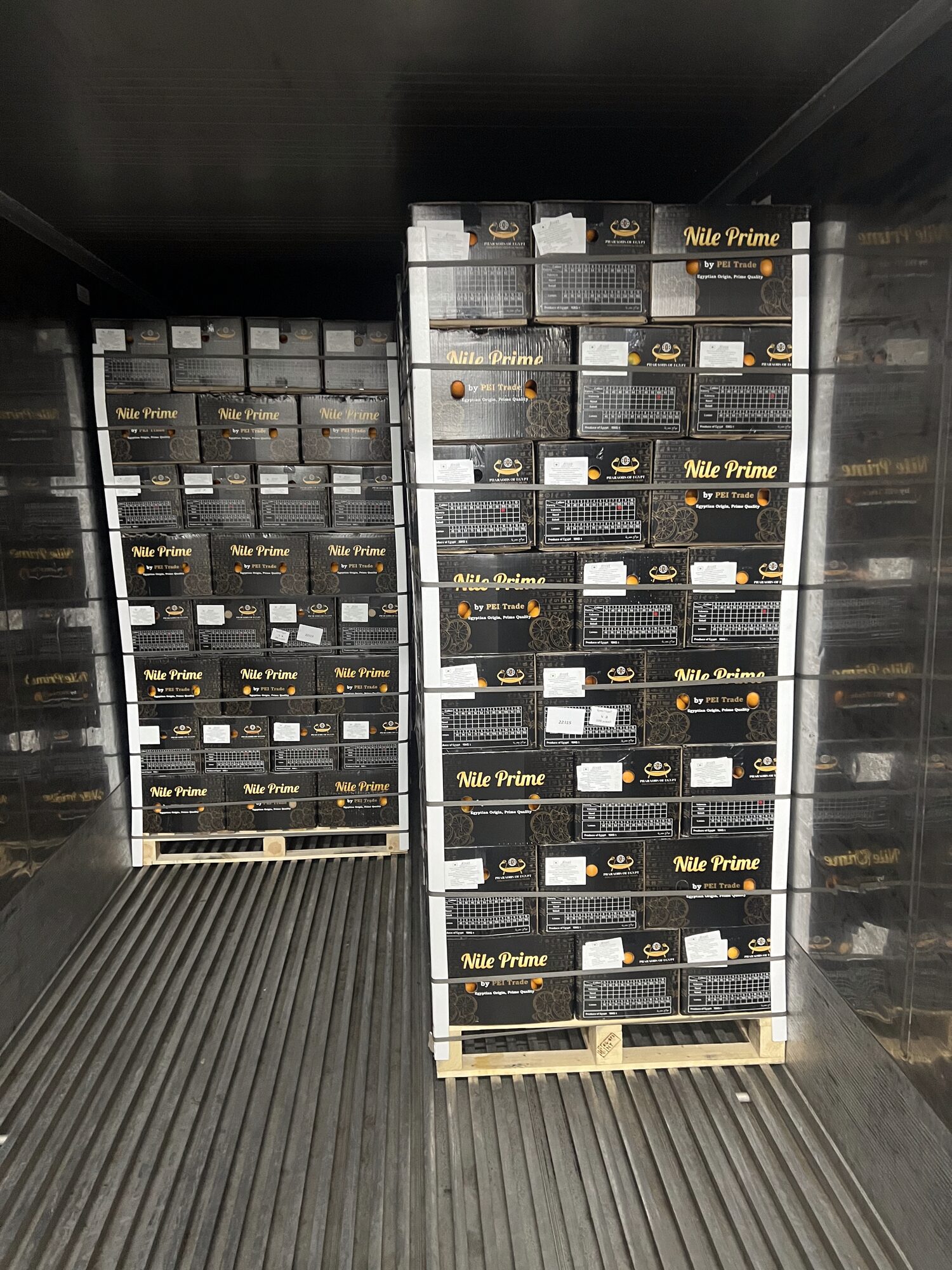
What chilling injury looks like on citrus
Three symptoms dominate. Rind pitting is the most common: collapsed oil glands leave sunken depressions that darken over several days. Brown staining spreads as diffuse discolouration across the peel, often on the shoulders first. Watery breakdown of the albedo shows when the fruit is cut. All three raise decay pressure, because damaged rind tissue is an open door for Penicillium.
The damage is cumulative and latent. Fruit held below its threshold accumulates injury it does not display until it is moved to ambient temperature at the destination. This is why a clean container inspection at loading proves very little about chilling injury, and why a temperature logger trace is the only useful evidence when a claim is raised.
Safe carrying temperatures by citrus variety
| Variety | Usual carrying range | Chilling risk | Note |
|---|---|---|---|
| Navel orange | 3 to 6 C | Low | Most tolerant of the Egyptian range |
| Valencia orange | 3 to 7 C | Low | Late-season fruit is more susceptible |
| Mandarin and Murcott | 4 to 8 C | Moderate | Thin rind marks easily |
| Lemon | 10 to 13 C | High | Never load lemons at orange set points |
| Grapefruit | 10 to 14 C | Very high | The most chilling-sensitive citrus |
The cold treatment conflict
Some destinations require in-transit cold disinfestation against fruit fly, which means holding the pulp at roughly 1 to 2 degrees for two to three weeks. That schedule sits well below the comfortable range for every variety in the table above. It is a phytosanitary requirement, not a quality decision, and it has to be planned for rather than argued with.
Conditioning is the standard mitigation. Holding fruit at around 15 to 16 degrees for roughly seven days before the cold phase raises tolerance and measurably reduces pitting. Waxing also helps, because the coating slows moisture loss from an already stressed rind. Our note on waxing and coating on Egyptian citrus covers what to specify. Variety selection matters most of all: send Navel and Valencia into cold-treatment lanes, and keep lemons and grapefruit out of them.
What to agree before the season opens
Fix four things in writing. The carrying set point by variety, not a single figure for the whole programme. Whether cold treatment applies and who carries the risk if it induces injury. Logger placement, with at least one probe in the door-end pallet where temperature swings are widest. And the inspection window at destination, because chilling injury discovered five weeks after arrival is very difficult to attribute. Volume context for the season ahead is in our Egyptian citrus export report.
Nile Prime is the exporter here, not an independent surveyor. The ranges above are working guidance drawn from published postharvest recommendations, and the right set point for a specific lot depends on maturity, variety and transit length.
To set carrying temperatures for a 2026/2027 citrus programme, or to review a trace on a shipment that has already arrived, message Nile Prime on WhatsApp at +20 10 9911 1918.