Export Guides

How to Verify an Egyptian Exporter: The 10-Point Checklist

Knowing how to verify an Egyptian exporter is the single highest-return hour an importer spends. The origin is full of excellent, certified operations — and, like every major origin, a fringe of brokers with borrowed photos and no packhouse behind the website. The good news: the fakes cannot survive ten specific checks. Run this list […]

How to Verify an Egyptian Exporter: The 10-Point Checklist Read More »
Export Guides Market Insights

Egypt Produce Season Calendar: Every Export, Month by Month

One page, the whole origin: the Egypt produce season calendar maps when every major export ships — citrus, mangoes, strawberries, onions, potatoes, sweet potatoes, grapes, pomegranates, dates, and the frozen lines that run year-round. Bookmark it, plan against it, and follow the links into each product’s full guide. Egypt’s superpower is exactly this calendar: something

Egypt Produce Season Calendar: Every Export, Month by Month Read More »

Export Guides

How to Import from Egypt: The 8-Step Produce Buyer’s Playbook

Learning how to import from Egypt is worth the effort for one reason: this origin now leads or contends in oranges, frozen strawberries, onions, potatoes, and a fast-growing mango trade — at freight costs and seasons no single competitor matches. The process itself is simpler than most first-time buyers expect, provided you follow the sequence.

How to Import from Egypt: The 8-Step Produce Buyer’s Playbook Read More »

Export Guides

Egyptian Produce Export Documents: The Complete Checklist

Every rejected container starts with a missing paper. Egyptian produce export documents follow one core set — phytosanitary, origin, invoice, packing list, transport document, lab reports — plus destination extras that trip up first-time importers. This master checklist covers what each document is, who issues it, what to verify, and the market-specific additions for the

Egyptian Produce Export Documents: The Complete Checklist Read More »

Export Guides

Reefer Container Shipping from Egypt: The Produce Importer’s Guide

Reefer container shipping from Egypt is the artery every trade on this site runs through — mangoes to Jeddah, oranges to St. Petersburg, frozen strawberries to Rotterdam. The mechanics are the same; the settings, and the mistakes, differ by product. This guide explains how reefer shipping from Egyptian ports actually works: the ports, the settings

Reefer Container Shipping from Egypt: The Produce Importer’s Guide Read More »

Vegetables & Onions

Egyptian Potatoes Export: Varieties, Season & Specs Guide

Egyptian potatoes export runs one of the great counter-season plays in European food trade: while Europe’s own crop sits in winter storage losing condition, Egyptian new potatoes come out of sandy fields from January onward — thin-skinned, washed-bright, and landing in Rotterdam before most competing new crop exists. Egypt ships hundreds of thousands of tonnes

Egyptian Potatoes Export: Varieties, Season & Specs Guide Read More »

Vegetables & Onions

Egyptian Sweet Potato Export: The Beauregard Buyer’s Guide

Egyptian sweet potato export is one of the quietest success stories in the vegetable trade: in under a decade Egypt became one of Europe’s leading sweet potato suppliers, shipping cured Beauregard from late summer deep into spring at freight costs the US — the traditional supplier — cannot match. For EU retail programs that once

Egyptian Sweet Potato Export: The Beauregard Buyer’s Guide Read More »

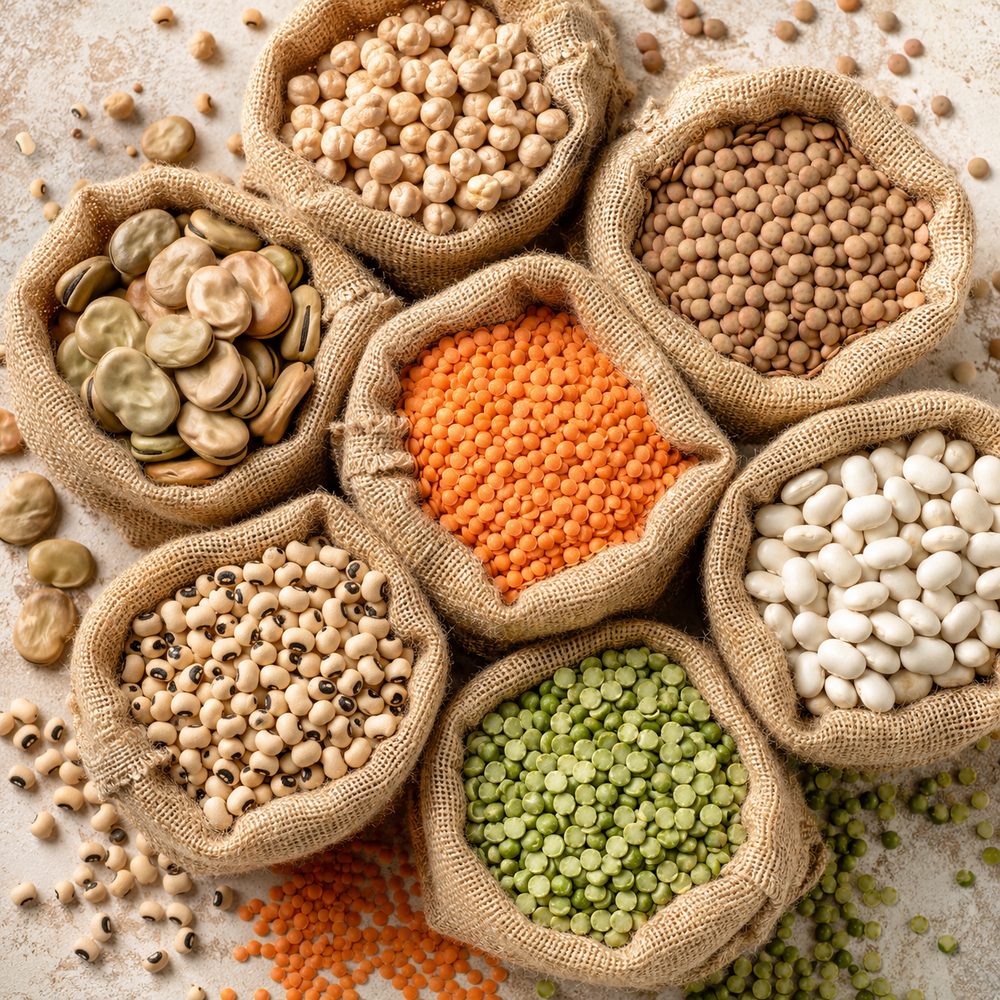
Egyptian legumes and pulses assortment in sacks
Legumes

Egyptian Legumes Export: Beans, Chickpeas & Lentils Guide

Egyptian legumes export serves a trade older than any fresh-produce lane out of this origin: dried beans and pulses — fava beans, chickpeas, lentils, white beans, black-eyed beans — cleaned, sorted, and packed for wholesale and retail buyers across the Gulf, Africa, Europe, and the diaspora markets that cook Egyptian at home. Pulses forgive logistics

Egyptian Legumes Export: Beans, Chickpeas & Lentils Guide Read More »