
The container seal is the single piece of evidence that decides whether an arrival dispute is about the exporter or about everything that happened afterwards. An intact bolt seal whose number matches the bill of lading closes off tampering, theft and substitution as explanations, and moves the argument to temperature and handling. A seal number that does not match, or a seal recorded nowhere, hands the argument away before it starts.
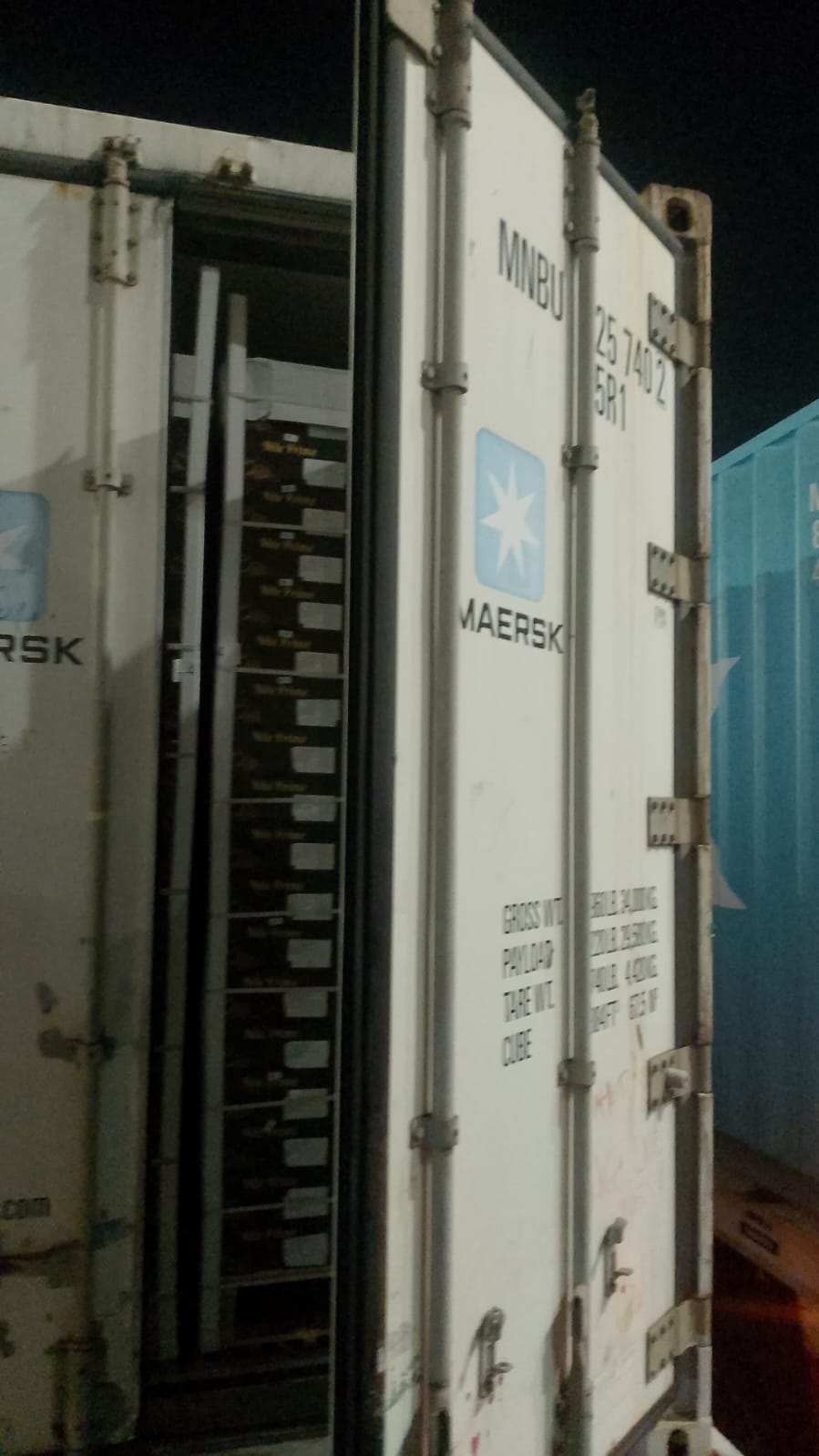
Which seal, and why the type matters
Use a high security bolt seal conforming to ISO 17712, not a cable seal or a plastic strip seal. A bolt seal requires a cutter to remove and cannot be reclosed, which is what makes its condition on arrival meaningful. Plastic seals are acceptable on internal movements and on the second door as a supplementary marker, never as the primary seal on an export container.
The seal goes on the right-hand door locking bar, applied after the doors are fully closed and the cam handles are down. Photograph it in place, with the number legible, and photograph the container number on the same frame or in the frame immediately after. A photograph of a seal with no container number in the set proves the seal existed, not which container it was on.
Where the seal number has to appear
| Document | Seal number required | Issued by |
|---|---|---|
| Bill of lading | Yes, on the container line | Carrier |
| Packing list | Yes | Exporter |
| Loading or stuffing report | Yes | Exporter or surveyor |
| Phytosanitary certificate | Usually, with container number | Central Administration of Plant Quarantine |
| Certificate of origin | Often, depending on destination | Chamber of commerce |
One transposed digit between the packing list and the bill of lading is enough to hold a container at a destination border while the discrepancy is resolved, and on perishable cargo that delay is the damage. Check the number character by character against the physical seal, not against the previous document, because copying a document forward copies the error with it.
The loading record an importer should receive
A complete record for one container runs to roughly fifteen to twenty photographs and one report. The photographs should show the empty container interior before loading, the PTI printout or the reefer display showing the set point, the first pallets stowed against the front bulkhead, the load at half height, the finished stow at the doors, the temperature logger placement, the closed doors, and the applied seal with its number readable.
The stuffing report states date and time of loading, container and seal number, product, variety, count, number of cartons and pallets, net and gross weight, set point, vent setting, logger serial numbers and the name of the person who supervised. Send it the same day the container leaves the packhouse, not when the documents are couriered. An importer who has the record before the vessel sails can raise a booking or specification problem while it is still fixable.
What the buyer does at the other end
Photograph the seal before cutting it, with the number and the container number visible. If the seal is missing, broken, or carries a different number, stop, photograph the doors closed, and notify the exporter and the insurer before opening. Opening a container with a broken seal and then reporting a shortage removes any way to establish where the loss occurred.
Related reading: temperature loggers and what the trace proves, and reefer stowage and airflow for how the load itself should be built before the doors close.
Nile Prime is the exporter, not a neutral reviewer. To request the loading record format used on our shipments, message the shipping desk on WhatsApp at +20 10 9911 1918.