
Egyptian tomatoes export works differently from the rest of this catalog: Egypt is one of the world’s top tomato producers, but the fruit is delicate and domestic demand enormous — so the export trade is a targeted regional business, not a volume lane. Fresh tomatoes move to Gulf and neighboring markets in fast cold chains; the wider world buys Egyptian tomatoes as sun-dried and processed formats. This guide covers what actually trades and how. Part of our vegetables hub.
Last updated: July 2026 · By the Nile Prime export team
Table of Contents
- The Three Trades
- Fresh Specs & the EU Note
- Sun-Dried — The Export Star
- Egyptian Tomatoes — FAQ
- Fresh Regional or Sun-Dried Global
- Fresh Calendar & Regions
- Sun-Dried Contract Specs
- The Demand Map
- The Buyer’s Checklist
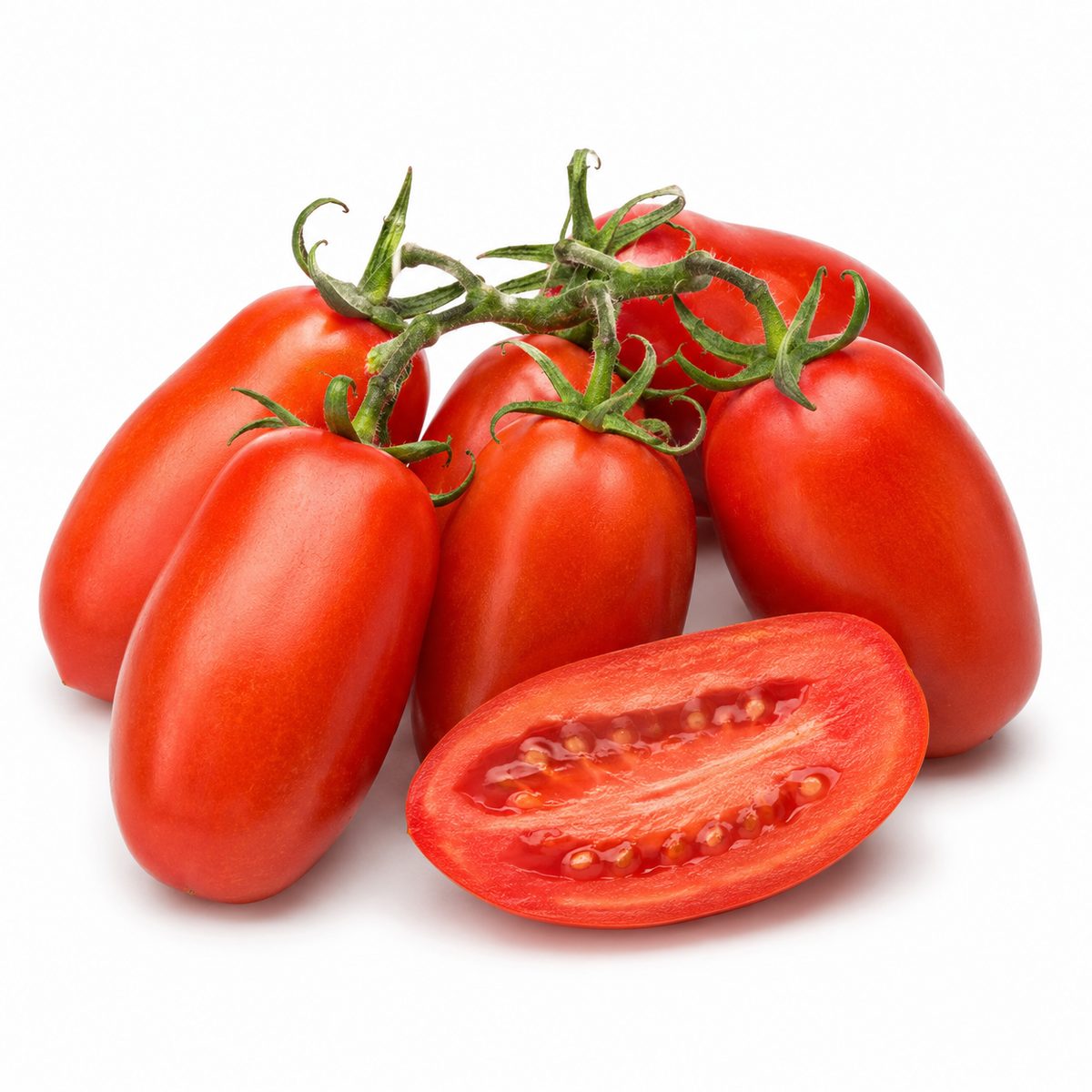
The Three Trades
| Segment | What Ships | Buyers |
|---|---|---|
| Fresh regional | Round & plum tomatoes, graded, 5–7 kg cartons | Gulf wholesale & retail — short fast lanes |
| Sun-dried | Halves/segments, dry or in oil — Egypt’s quiet specialty | EU & US food industry, delis |
| Cherry & specialty | Cherry, cocktail on-vine, greenhouse-grown | Gulf premium retail, growing EU niche |
Fresh Specs & the EU Note
- Grading: uniform size and color-stage per carton — tomatoes ripen in transit, so pick stage is agreed per lane length.
- Cold chain: 10–12°C (never colder — chilling kills flavor and texture), 3–7 day Gulf lanes ideal.
- The EU reality: the entry-price system and fierce Dutch/Spanish/Moroccan competition make fresh EU programs a niche play — sun-dried is Egypt’s smarter European card.
- Compliance: GLOBALG.A.P + MRL per destination; tomatoes are residue-watched (documents guide).
Sun-Dried — The Export Star
Egyptian sun and cheap plum tomatoes make world-class sun-dried product at costs Italian producers stopped matching years ago — which is why much “Mediterranean” sun-dried tomato in European jars starts in Egyptian fields. Formats: dry halves in bulk cartons, oil-packed jars and pouches (private-label standard), julienne and powder for industry. Ambient shipping, 12–24 months shelf life — classic consolidation cargo alongside olives and pulses.
The Fresh Calendar & Growing Regions
Egypt grows tomatoes essentially year-round across staggered regions — the Delta’s field crops, Upper Egypt’s winter warmth, and expanding protected cultivation for the export-grade fruit. For the export trade the calendar that matters is winter and spring: November through May, when field fruit is at its best and Gulf demand for salad staples runs high, with protected-cultivation cherry and cocktail types extending premium supply across more of the year. Summer field fruit stays home — heat stresses quality below export grade, and domestic demand absorbs everything anyway. The sun-dried calendar runs opposite: peak-summer plum tomatoes, cheapest and ripest exactly when fresh export pauses, feed the drying yards — one more example of Egyptian agriculture routing each week’s harvest to its highest-value use.
Sun-Dried Specs — The Contract Sheet
| Parameter | Standard |
|---|---|
| Raw material | Plum/Roma types, full red, high solids |
| Formats | Halves (the standard), julienne, dices, powder |
| Moisture | Dry: 12–16% · high-moisture/ready-to-eat: to spec with preservative system |
| Salt | Typically 3–8% dry-salted during drying — state per contract |
| Color/defects | Uniform deep red; blackened or yellow-shoulder halves counted as defects per grade |
| Treatment | SO₂ where the market permits (declare!), or SO₂-free lines for clean-label buyers |
| Packing | 5–12.5 kg bulk cartons; oil-packed jars/pouches retail; aseptic for industry |
| Certifications | HACCP/ISO 22000 processing; BRC for retail programs |
Two contract points separate professionals: the SO₂ declaration — sulfite levels are regulated and label-relevant in every Western market, so demand the figure per lot — and drying method: traditional open-yard sun gives the classic intense flavor but needs disciplined food-safety handling; tunnel-assisted drying trades a little romance for consistency. Ask which backs your lot.
Who Buys What — The Demand Map
Gulf wholesale and retail take the fresh trade — rounds for general use, plum for cooking cultures, cherry for the premium shelf — on lanes short enough that Egyptian field fruit arrives fresher than most local greenhouse product prices. European delis, food manufacturers, and private-label retail take the sun-dried trade in oil-packed and bulk formats, where the Egyptian cost advantage over Italian and Turkish product decides tenders. Regional processors buy paste-grade fruit in season. And a growing niche worth watching: Gulf and EU food service buying Egyptian cherry-on-vine as the affordable alternative to Dutch premium lines. Each channel prices differently — quote requests should name the channel, not just the product.
The Tomato Buyer’s Checklist
- Name the channel in the RFQ — fresh Gulf retail, sun-dried industry, and cherry premium price from different books.
- Fresh: agree pick stage per lane — turning-stage fruit for 5–7 day sea lanes, riper for 3-day lanes; never accept “red” as a spec.
- Fresh: 10–12°C, never colder — chilling injury shows as mealy texture days after arrival, then becomes your claim problem.
- Sun-dried: demand SO₂ ppm and moisture per lot — the two numbers that decide legality and shelf life in your market.
- Sun-dried: audit the drying operation — yard photos, HACCP scope, and metal detection; this is food processing, not field packing.
- Everything: per-lot MRL to your market’s limits — tomatoes sit on the EU’s residue-watch lists alongside peppers.
Egyptian Tomatoes — FAQ
Does Egypt export fresh tomatoes?
Yes — as a targeted regional trade to the Gulf and neighbors on fast 10–12°C cold chains, while the wider world buys Egyptian tomatoes mainly as sun-dried and processed formats.
Why are Egyptian sun-dried tomatoes so competitive?
Abundant cheap plum tomatoes plus reliable drying sun — production costs Italian suppliers stopped matching — which is why much European-jarred sun-dried tomato originates in Egypt.
What temperature do fresh tomatoes ship at?
10–12°C — never colder, as chilling injury destroys flavor and texture — with pick stage (color) agreed per lane length so fruit arrives at the right ripeness.
Can I get private-label sun-dried tomatoes from Egypt?
Yes — oil-packed jars and pouches under the buyer’s brand are standard, alongside bulk dry halves, julienne, and powder for industry, with 12–24 months ambient shelf life.
Fresh Regional or Sun-Dried Global
Nile Prime — the premium brand of PEI Trade: WhatsApp +20 109 911 1918 · [email protected] · Egyptian tomatoes — specifications.
Sources: Tridge — Egypt tomato intelligence · PEI Trade.