
Repacking Egyptian mango at destination is a recovery operation, not a cosmetic one. A container that arrives with a proportion of the fruit off-specification can often be split into a clean retail line and a secondary line worth selling, provided the sort happens at the right moment in the ripening cycle and the handling does not add fresh damage. Done late or roughly, repacking costs more than it recovers.
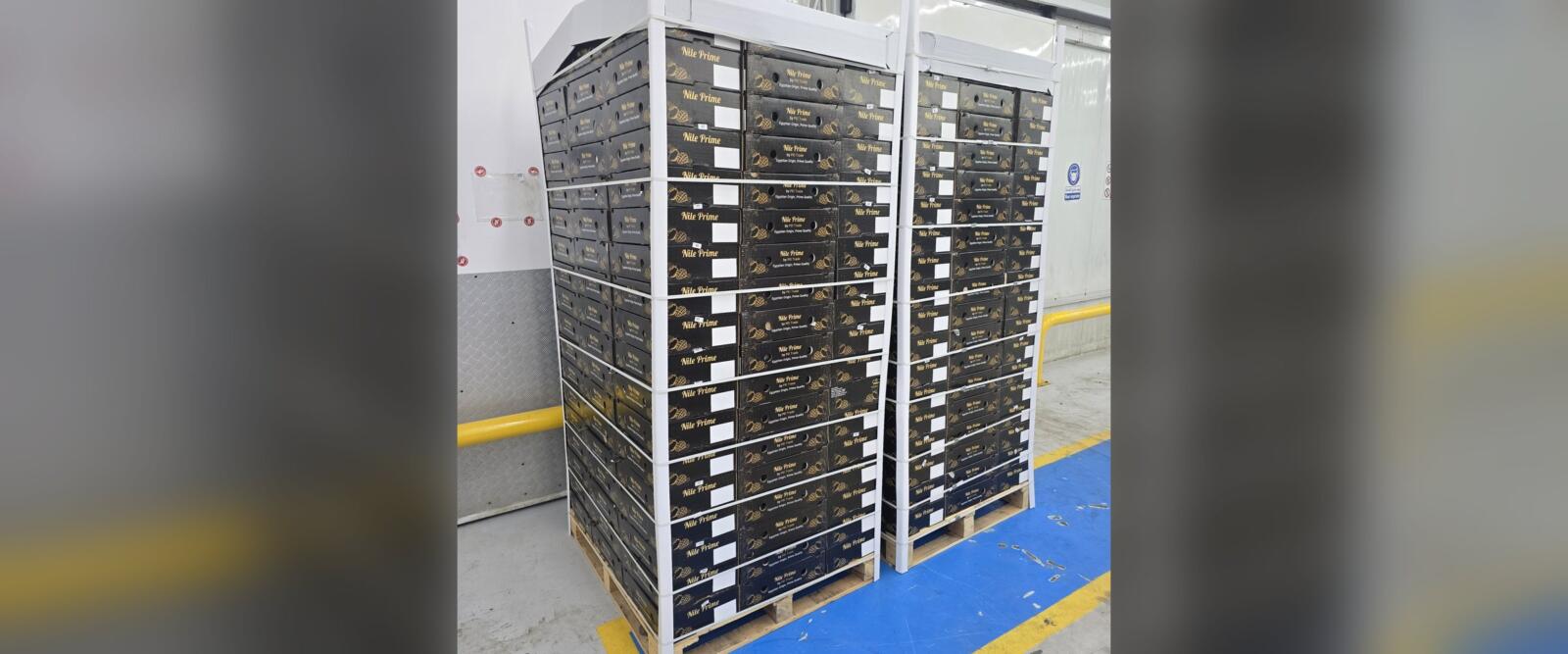
When to open the container and sort
Sort before ripening, not during it. Keitt arriving firm at 10 to 12 degrees Celsius can be inspected carton by carton with minimal handling damage, because firm fruit tolerates being lifted and turned. The same fruit two days into a ripening cycle bruises under finger pressure and every touch becomes a defect. If the container is going straight into a ripening room, pull the sample cartons and make the sort decision on the day of devanning.
Record what you find before you move anything. Photographs of sealed cartons, the pallet position and the logger download are the evidence base for any claim, and a repack destroys that evidence. Our note on arrival condition and claims on Egyptian mango sets out what a surveyor expects to see.
Which defects sort out, and which do not
| Defect | Progresses in store? | Outcome of a sort |
|---|---|---|
| Lenticel spotting | No | Grade to secondary, fruit remains saleable |
| Healed scarring | No | Grade to secondary or food service |
| Sap burn | Limited | Sorts out cleanly if caught early |
| Anthracnose lesions | Yes, rapidly | Remove and isolate, do not repack |
| Stem-end rot | Yes | Remove, check adjacent fruit in the tray |
| Chilling injury | Yes, on ripening | Often invisible when firm, sort after ripening starts |
| Impact bruising | Yes | Remove, and review pallet stowage on the next load |
Two of these are worth flagging. Chilling injury frequently cannot be seen at devanning and only shows as uneven ripening and grey flesh later, so a container suspected of a cold excursion should not be repacked into a premium retail format until it has been ripened as a sample. Anthracnose spreads by contact within a tray, which is why removing a single affected fruit and leaving its neighbours in place is a false economy. The grading definitions behind these calls are covered in our guide to skin defects on Egyptian mango and how each one is graded.
Formats the recovered fruit sells into
Clean fruit from a repack usually goes back into a 4 kg single-layer carton for wholesale, or into retail-ready trays and punnets of 2 to 4 pieces where the retailer accepts a mixed count. Secondary fruit sells better loose by the kilo than in a branded format, because a branded carton sets an expectation the fruit will not meet. Fruit with progressing disease belongs in the processing stream or in the bin, never in a retail pack.
Whatever format is chosen, return the repacked fruit to a controlled temperature immediately. Mango left on a warehouse floor at ambient while a repack runs for four hours loses more shelf life than the sort recovers.
Nile Prime is the exporter, not an independent surveyor. Repack decisions that may lead to a claim should be taken with your insurer or surveyor informed in advance.
Talk to the shipper before you open the container
If a container arrives short of specification, call us before the sort starts. We can advise what the packing record shows for that lot and agree how the fruit should be handled. WhatsApp +20 10 9911 1918.