
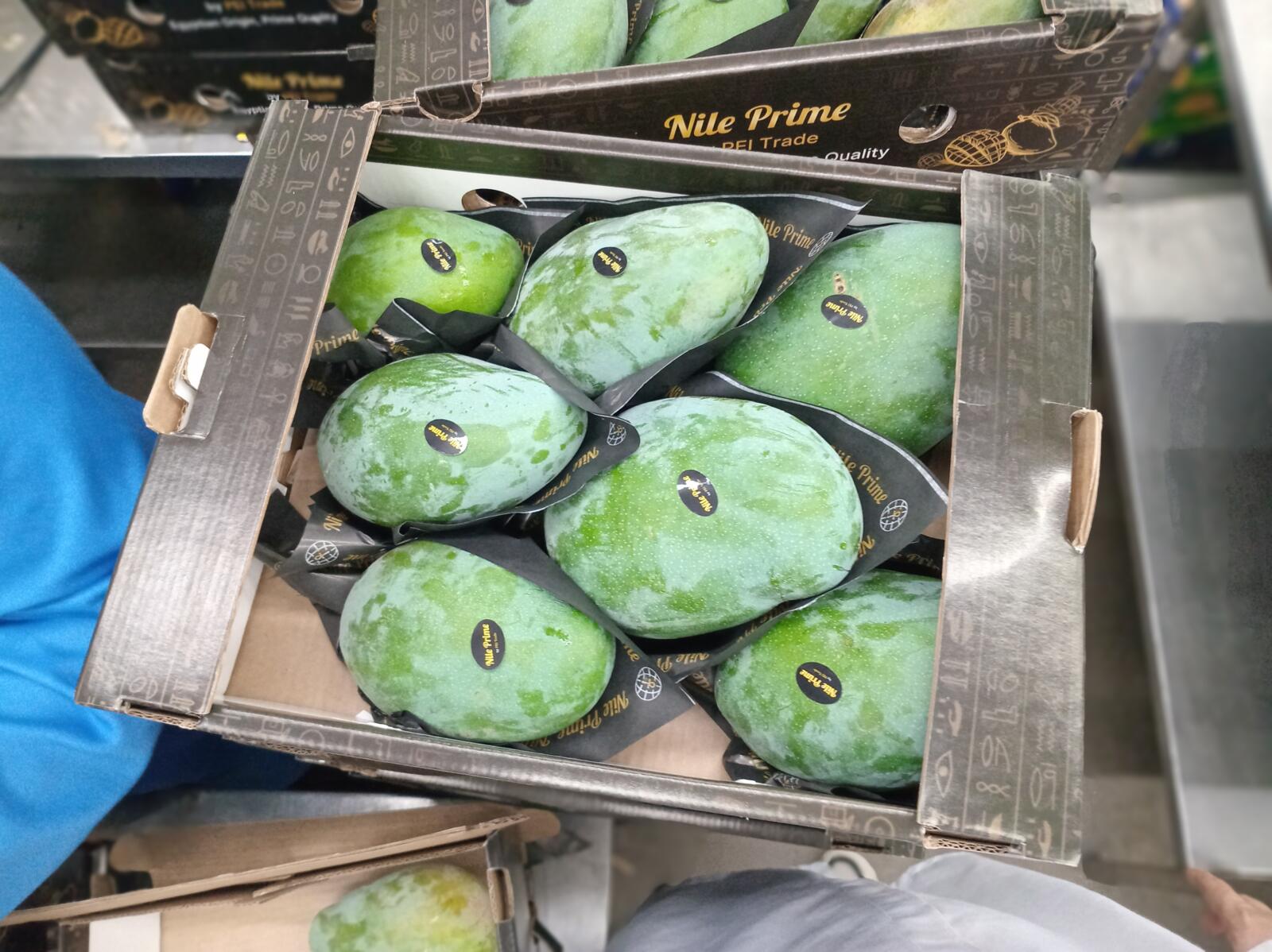
South and Southeast Asia is a more complicated destination for Egyptian mango than the Gulf, and for an obvious reason. Several of these markets grow mango themselves, so the commercial question is not simply price but where the Egyptian window sits against local harvest. That gap is where the trade exists. Egyptian Keitt runs from July into October, which is after the main South Asian domestic season has closed and before the Southern Hemisphere origins arrive in volume.
Market access is the first thing to confirm
Before discussing price, confirm the import requirements of the destination country. Mango is a regulated commodity in most of Asia and access conditions vary considerably. Several markets require an import permit issued to the importer in advance of shipment, and the permit conditions determine what the phytosanitary certificate must state. Some markets require a declared treatment for fruit fly, most commonly hot water treatment or vapour heat treatment, applied at an approved facility and recorded on the certificate. Others accept fruit on a systems approach with area-of-production controls. These conditions are set by the destination authority and can change between seasons, so the correct sequence is for the importer to confirm current requirements with their national plant protection organisation and send us the written conditions. We will then confirm whether we can meet them for the variety and volume requested.
Routing and transit
Mango for Asian destinations loads at Ain Sokhna on the Red Sea rather than at Alexandria or Damietta, which avoids the northbound Suez leg entirely and saves several days. Indicative sea transit from Sokhna is 12 to 16 days to Chittagong and Colombo, 16 to 20 days to Port Klang and Singapore, and 20 to 25 days to Hong Kong. Those figures assume a direct or single-transhipment service. On the longer legs, Keitt is the only variety we recommend, because it holds firmness and eating quality across a transit that Kent and Naomi will not reliably survive. Our note on sea shipping, ports and reefer settings covers the set points and ventilation used on these routes.
Air freight where transit is too long
For Singapore, Hong Kong and Kuala Lumpur, some buyers work air freight for the premium retail segment. Air changes the pack, since fruit is cut riper and packed in lighter single-layer cartons with individual netting. It also changes the economics completely, and it only makes sense where the shelf price supports it.
Pack formats by market
Bangladeshi and Sri Lankan wholesale buyers generally take the standard 4 kg single-layer carton with counts 7 to 9, which suits their distribution to secondary markets. Malaysian and Singaporean retail chains more often ask for count 6 to 8 with individual foam netting and a printed carton carrying the retailer’s own artwork. Hong Kong buyers tend to want the largest counts available, 5 and 6, presented with a sleeve. Palletisation is standard across all of them at 240 to 264 cartons per 40ft high cube reefer depending on tier height.
Commercial terms
Most first-time Asian buyers work CFR to their destination port, which keeps the freight booking with us and removes a variable from their side. FOB Sokhna is available where the buyer has an existing freight contract. The differences between the two are set out in our Incoterms 2020 guide for mango buyers. Payment is normally against a letter of credit or a partial advance with the balance against documents, agreed before the first shipment.
To check availability and current market access for your country, send your import permit conditions and required counts to the Nile Prime export desk on WhatsApp at +20 10 9911 1918.