
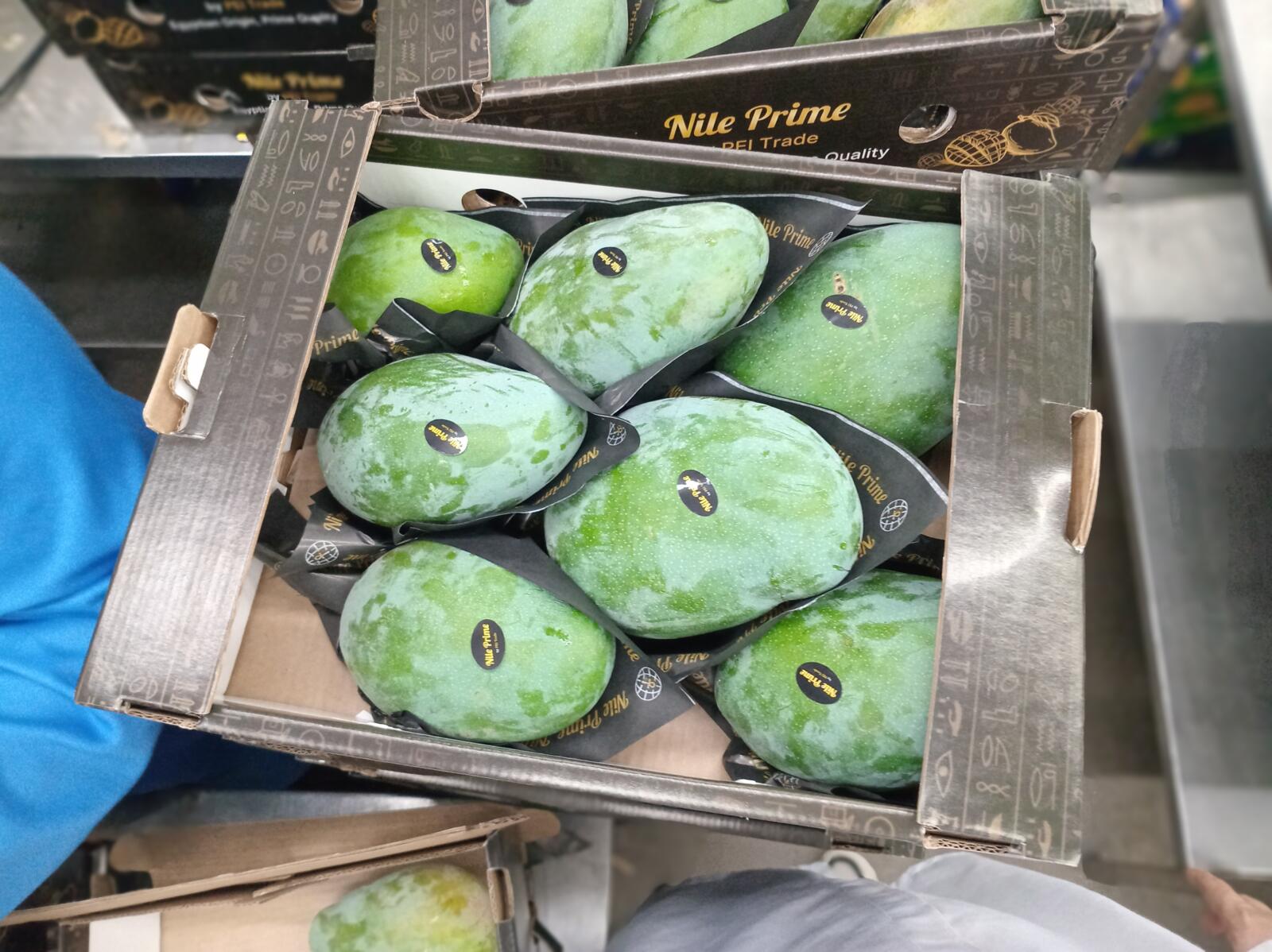
Specification and price get agreed quickly. Payment terms are where a mango negotiation usually slows down, and for good reason. Fresh fruit on a fifteen to twenty five day sea leg carries condition risk for the buyer and payment risk for the seller, and no single structure removes both. Here is how the terms we see on Egyptian mango in 2026 actually work.
Advance TT
A full telegraphic transfer before loading is the cheapest option in bank charges and the fastest to execute. It is common on first containers with a new buyer, and on spot lots during peak weeks when the packhouse has other buyers waiting. The buyer carries the performance risk, which is why it is usually paired with a pre-shipment inspection by an independent surveyor and a photographic loading report. If you are buying on advance TT, the inspection is not optional. It is the only leverage you hold once the money has moved.
Deposit plus balance against documents
This is the most common structure on Egyptian mango, and the one we use on the majority of programmes. A deposit of 30 percent confirms the booking and releases the packing slot. The remaining 70 percent is paid against a scanned bill of lading, phytosanitary certificate, certificate of origin and packing list, before the original documents are couriered or released electronically. Both parties carry part of the exposure, which tends to keep both parties reasonable when something goes wrong.
The deposit is not a formality during August. Keitt volume is fully committed week by week, and a packhouse allocates fruit to the bookings that are funded. A buyer holding a verbal commitment without a deposit is competing every Monday against buyers who have paid.
Letters of credit
An irrevocable letter of credit at sight, issued by a first-class bank and confirmed where the exporter requires it, gives the strongest protection to both sides. It also costs the most and moves the slowest. Issuance typically runs 0.5 to 1.5 percent depending on the buyer bank, confirmation adds a further charge, and any discrepancy in the presented documents delays payment by days. Letters of credit make sense on large seasonal programmes and on shipments to markets where currency transfer is complicated. They rarely make sense on a single container of perishable fruit, because the documentary cycle can outlast the fruit.
Cash against documents
Under CAD the exporter sends documents through its bank, and the buyer bank releases them on payment. It sits between TT and a letter of credit on both cost and security. It works well with established counterparties who have already run several containers together. It does not protect the exporter if the buyer simply refuses the documents after the vessel has sailed, which is the scenario that pushes exporters back toward a deposit.
What is not offered
Open account, consignment sale and payment on arrival are not offered on Egyptian mango by serious exporters, and a supplier who agrees to them without discussion is worth checking carefully. Once fruit has landed, condition becomes a negotiating position rather than a fact, and the exporter has no way back. Where a genuine quality problem does occur, it is handled through documented survey and settlement, not by withholding payment. Our note on how arrival disputes are assessed and settled explains that process.
Terms also depend on whether you are buying a season programme or a spot container, which we cover in contracting Egyptian mango volume. First-time buyers may find the full order sequence in importing Egyptian mango for the first time useful alongside this.
Nile Prime ships Keitt, Kent and Naomi from Alexandria, Damietta and Sokhna on Incoterms 2020 terms. To discuss payment structure, deposit levels or a proforma for a specific week, message the export desk on WhatsApp at +20 10 9911 1918.