
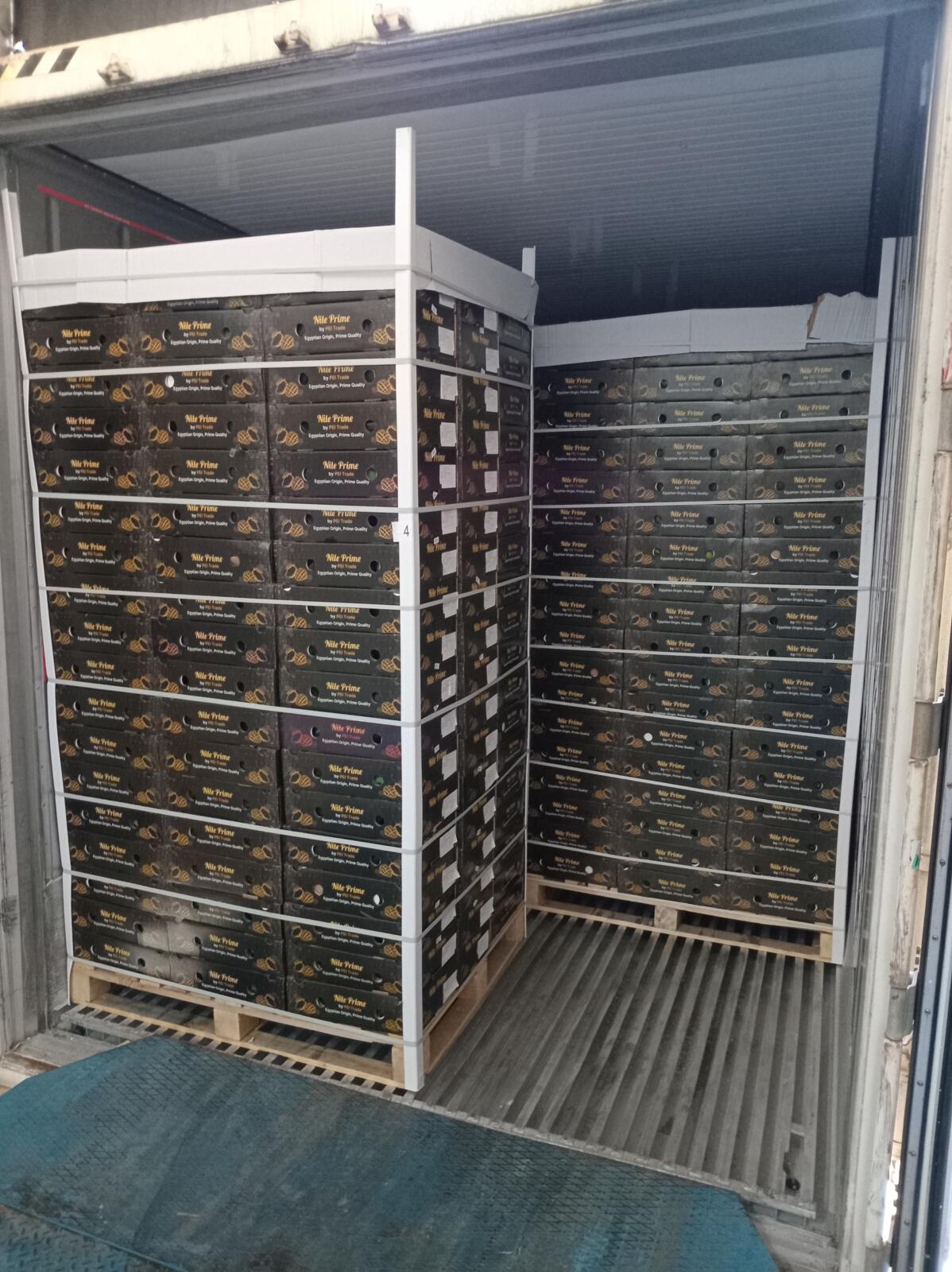
Most mango seasons pass without a serious dispute, but when a container does arrive short of specification the way the first forty-eight hours are handled decides whether anyone recovers anything. Buyers who understand what a claim actually needs to contain tend to be settled quickly. Buyers who send a photograph and an invoice deduction three weeks later usually are not. This note sets out how arrival condition is assessed on Egyptian mango and what a workable claim looks like.
What is and is not a claim
A claim is a departure from the agreed contractual specification that was present or already developing at the time of loading. Fruit that arrives with internal breakdown after a fourteen-day transit at the wrong set point is a claim. Fruit that was sound on arrival and then held eight days on an open dock before being sold is not, however disappointing the outcome. The distinction matters because both look similar in a photograph taken on day ten.
The common categories on mango are anthracnose and stem-end rot developing in transit, chilling injury from a set point below the tolerance for the variety, over-mature fruit that has softened past the agreed firmness, sizing that does not match the declared count, and physical damage from stack collapse. Each has a different signature and a competent surveyor can usually tell them apart.
Notification deadlines
Notice should be given in writing to the exporter within twenty-four hours of the container being opened, and before the fruit is moved into a ripening room or broken down for distribution. Once the load is split across customers the chain of evidence is gone. Where a joint survey is intended, the fruit should be held intact and refrigerated until the surveyor attends, which in practice means calling the surveyor at the same time as sending the notice rather than after the exporter replies.
The evidence a surveyor needs
A survey report that a supplier can act on records the container and seal numbers, the seal condition at opening, the reefer set point and the downloaded temperature trace for the full voyage, the pulp temperature of fruit taken from at least three positions in the container, the pallet and carton identification codes, and a defect count expressed as a percentage of a defined sample rather than as a general impression. Photographs should show the load in place before anything is unloaded, then the sampled cartons, then the individual defects with a scale reference.
The temperature trace is usually decisive. If the trace shows the set point held within tolerance for the whole voyage, the cause sits either before loading or after discharge, and the pre-shipment record becomes the reference point. That is why the pre-shipment inspection report matters as much to the buyer as it does to the exporter. Where the trace shows an excursion, the next question is whether the deviation was long enough and deep enough to explain the defect observed.
How settlements are calculated
Settlement is normally based on the affected percentage of the consignment rather than the whole container. If a survey establishes an eight percent defect rate against a contractual tolerance of five percent, the negotiation covers the three percent above tolerance, not the eight. Adjustments are made either as a credit against the invoice, a price reduction on the affected pallets, or a replacement allocation on the next shipment, which is often the preferred outcome inside a running programme because it keeps the supply line intact.
Salvage value is deducted. Fruit that was sold at a reduced price rather than destroyed reduces the claim by whatever was realised, and the buyer should be able to evidence the sales. Destruction of fruit without a certificate from the competent authority or an agreed independent witness weakens a claim considerably.
Reducing the risk before it happens
Agree the tolerance in writing at the order stage, including the firmness range, the maximum defect percentage by category, and the sampling method. Specify loggers in the load and agree who downloads them. Confirm the set point on the booking rather than assuming it, and check the sizing against the agreed count using the carton count reference before the container is dispatched. Where fruit will go into a ripening room, follow the protocol in our note on ripening Egyptian mango on arrival, since a badly run room produces defects that look exactly like transit damage.
To agree tolerances, arrange third party inspection, or discuss an open shipment, contact the Nile Prime export team on WhatsApp at +20 10 9911 1918.