
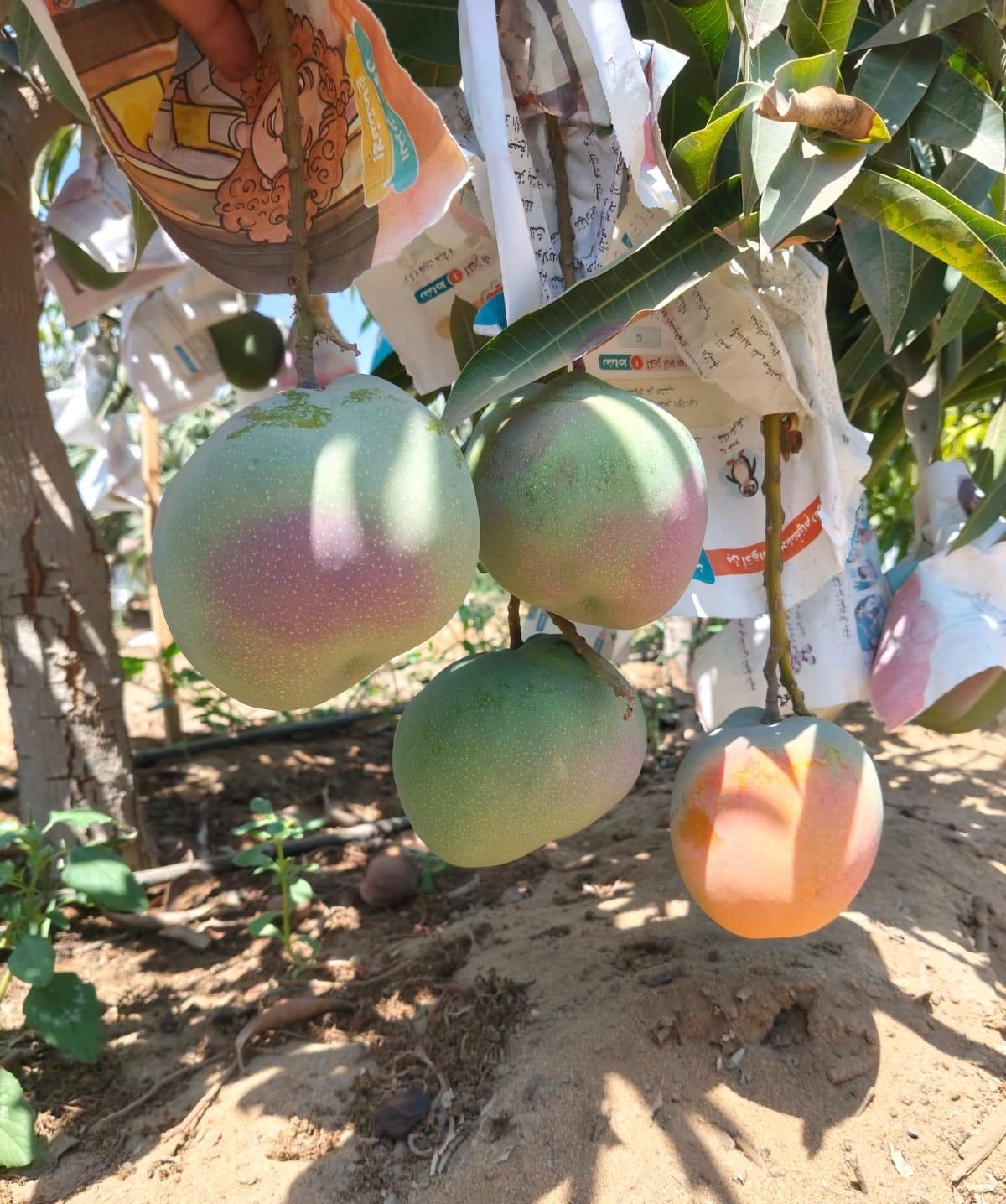
Importers usually specify a variety and a count. Fewer specify a region, and that is a missed opportunity, because the same variety picked in Ismailia and in the western desert reclamation areas will not arrive at the same time and will not behave the same way in a ripening room. Egypt’s mango belt is not one place. It is four distinct growing environments with different soils, different water systems and harvest dates that can differ by two to three weeks.
Ismailia and the canal zone
Ismailia is the historic heart of Egyptian mango and still the largest single producing governorate. Orchards here sit on sandy loam along the Ismailia Canal, many of them mature, with a variety mix weighted toward the traditional Egyptian selections alongside Kent, Keitt and Naomi planted for export. Proximity matters commercially: fruit reaches packhouses and then Alexandria, Damietta or Port Said quickly, which shortens the interval between picking and precooling.
Ismailia fruit tends to size well and colour reliably. Because many blocks are older, yields per tree vary more between orchards than in newer plantings, so grower selection within the region carries real weight.
Sharqia and the eastern Delta
Sharqia sits immediately west of Ismailia and shares much of its climate, with heavier soils in parts. Harvest timing runs close to Ismailia, generally within a few days. What Sharqia adds is volume in the mid-season varieties and a dense concentration of packing capacity, which is useful when a programme needs several containers loaded in the same week rather than spread across a month.
Nubaria and the western reclamation areas
Nubaria and the reclaimed land along the Cairo to Alexandria desert road represent the newer face of Egyptian mango. Plantings here are younger, laid out for machinery, and irrigated by drip from wells rather than by canal flood. Sandy soils drain fast and warm quickly, which typically pulls harvest slightly earlier and produces fruit with clean skin finish, a point that matters for retail programmes where blush and blemish are specified.
Variety mix in these areas leans heavily toward export selections, since the orchards were planted with export in mind. Kent and Keitt dominate, with Naomi in commercial quantity. If you are still deciding between them, our comparison of Keitt, Kent and Naomi sets out the differences by market.
Bahariya, Sharq El Owainat and the deep desert blocks
The oasis and deep desert blocks are the smallest group by area but the most interesting for late supply. High day to night temperature differential and very low humidity produce fruit with strong dry matter accumulation, and the harvest window sits later than the Delta. For buyers looking at September and October Keitt shipments, these blocks are often where that fruit comes from. Our note on planning late-season Keitt covers how those shipments are scheduled.
What this means when you order
Three practical points follow. First, if your arrival window is fixed, region can move harvest by two to three weeks in either direction without changing variety. Second, if your specification is strict on skin finish, the newer desert plantings usually present better. Third, if you need consistent weekly volume rather than a single large lot, drawing from more than one region reduces the risk that one week of adverse weather empties your programme.
We source across all four areas and record the growing region on the carton alongside the grower code, so the origin of any pallet can be traced back after arrival.
Talk to us about sourcing
Tell us your arrival window, your variety and your specification, and we will tell you which blocks fit and when they pick. Reach the Nile Prime desk on WhatsApp at +20 10 9911 1918.