
The Egyptian strawberry season is a winter story: planting on sandy soils in September, first fruit by November, and a December–March peak that supplies Gulf retail and European shelves precisely when nobody nearby can. Around it runs a second calendar — the IQF plants that freeze the harvest and ship it worldwide for the rest of the year. Here is the full season month by month, for both fresh buyers and frozen contractors. Part of the Egyptian strawberry export guide.
Last updated: July 2026 · By the Nile Prime export team
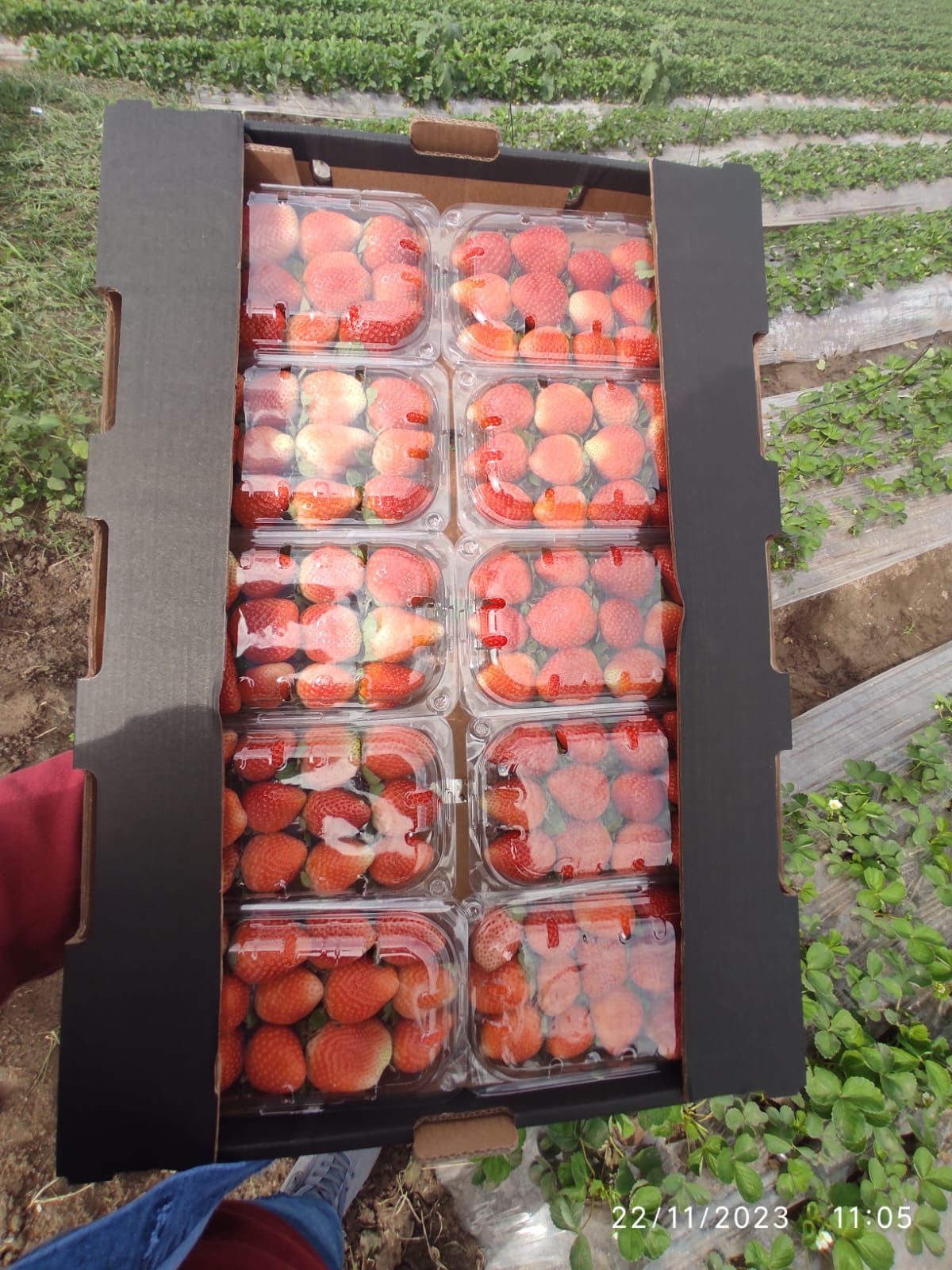
Table of Contents
- The Season Calendar
- For Fresh Buyers — Working the Window
- For IQF Buyers — The Contracting Clock
- Egyptian Strawberry Season — FAQ
- Plan Your Strawberry Programs
- Worked Example: Dual Season
- Weather Risk by Month
The Season Calendar
| Month | Fresh Trade | IQF Trade |
|---|---|---|
| Sep–Oct | Planting; no fruit | Pre-season contracting window — best pricing |
| November | First fruit (Winterdawn, early Fortuna); premium prices | Plants prepare; early runs begin |
| December | Volume builds; Gulf air programs at full pace | Daily production starts |
| Jan–Feb | Absolute peak — best quality, best availability | Peak freezing; contracted volumes produced |
| March | Strong volumes continue; Europe window still open | Peak continues |
| April | Season tail; quality watch as heat rises | Final runs; season stock complete |
| May–Aug | — | Shipments from frozen stock worldwide |
For Fresh Buyers — Working the Window
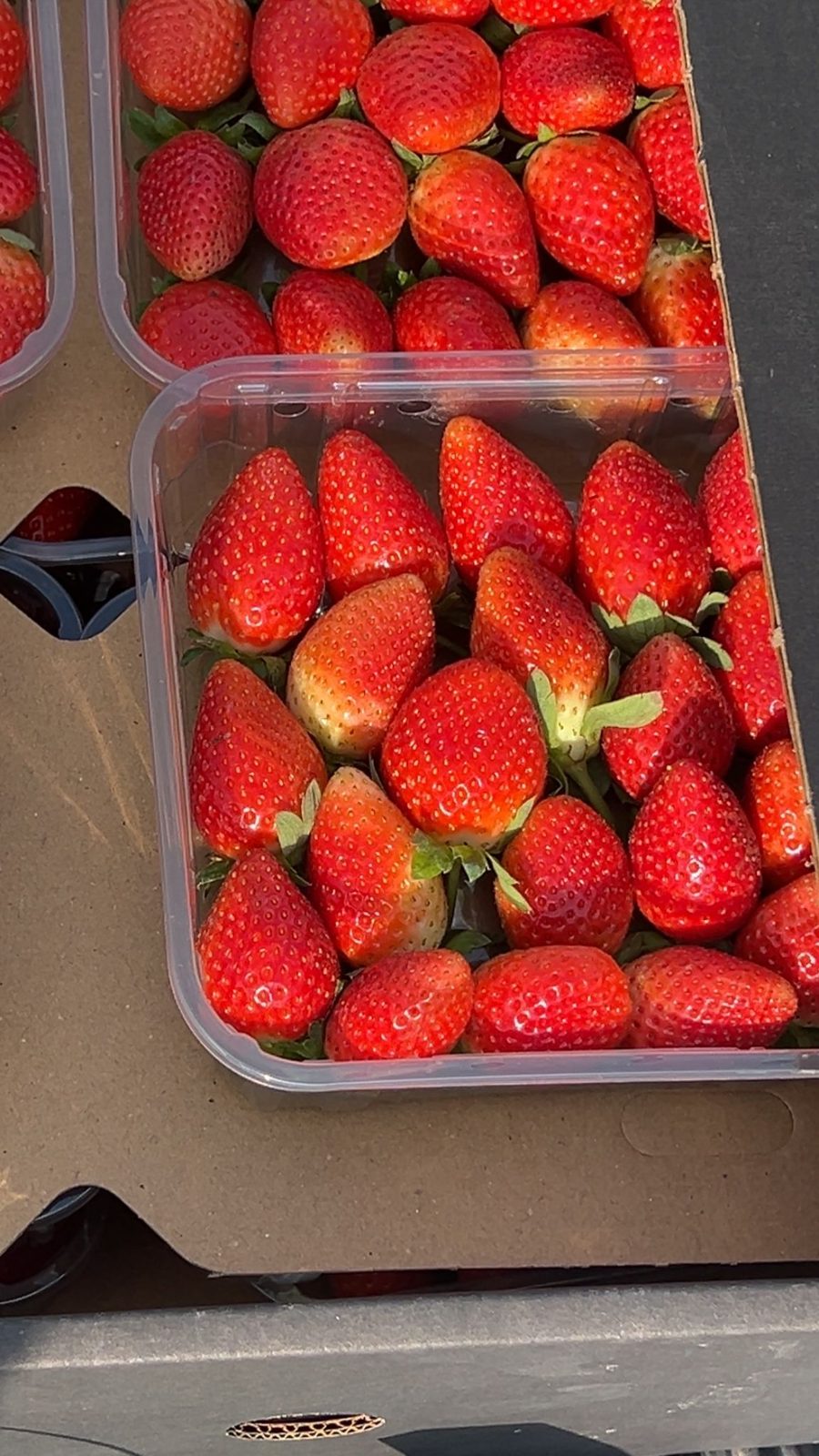
- Book November early fruit by September — the first punnets of the season earn premium prices in Gulf retail every year.
- Run the peak hard: January–February delivers the best quality-to-price of the season; weekly air programs to the Gulf and reefer-truck/short-sea to Europe.
- Watch April: rising heat shortens shelf life — tighten specs and prefer early-morning harvest lots at the tail.
- The 24-hour rule: fruit picked, pre-cooled to 0–2°C, and dispatched within a day is what separates export-grade suppliers — details in the main guide.
For IQF Buyers — The Contracting Clock
The frozen trade moves opposite to intuition: the smartest buying happens when there is no fruit in the field. September–November pre-season contracts lock volumes and grades against the coming harvest at the cycle’s best terms; buyers who wait for the season pay fresh-market-linked pricing, and buyers who wait for summer draw from finite stock as it sells through. Grades, specs, and formats are covered in the IQF frozen strawberries guide.
Worked Example: Planning a Dual Fresh + Frozen Season
A hypothetical Gulf retail supplier and a European ingredients buyer are, without knowing it, buying the same Egyptian strawberry season from opposite ends. The Gulf fresh buyer: contracts in October for December–February punnet programs — the weeks when Egyptian fruit has the Gulf shelf almost to itself; his risk is weather (a cold snap delays sizing by two weeks in this scenario, and his December promotion slides to January), so his contract carries a weekly-update clause and flexible first-shipment dating rather than a hard calendar promise. The European frozen buyer: ignores December entirely — she’s waiting for February–April, when peak harvest floods the freezing plants and IQF pricing bottoms; her contract, signed in November, locks tonnage at the trough weeks. The grower-exporter in the middle sells the same fields twice: premium fresh early, industrial volume late — which is why integrated houses can out-price single-channel competitors on both sides. The pair is fictional; the season’s two-market anatomy is exactly real, and the date you should contract depends entirely on which of the two buyers you are.
Weather Risk Month by Month
| Month | Risk | Buyer Response |
|---|---|---|
| November | Late planting effects; first fruit sizing | Treat first offers as indicative |
| December | Cold snaps slow ripening | Flexible first-shipment window |
| January | Rain events bruise open-field fruit | Grade tolerance + rapid QC reports |
| February | Stable peak — lowest risk | Concentrate volume here |
| March | Early heat softens fruit | Shift remaining volume to frozen |
| April | Heat ends fresh; frozen continues | Frozen-only contracting |
Egyptian Strawberry Season — FAQ
When is strawberry season in Egypt?
November to April, peaking January–February — the winter window when European production is minimal. IQF frozen strawberries ship year-round from the season’s production.
When are Egyptian strawberries cheapest?
Fresh: during the January–February peak. Frozen: pre-season contracts signed September–November against the coming harvest carry the best pricing of the cycle.
Can I buy Egyptian strawberries in summer?
Fresh fruit finishes by late April. IQF frozen strawberries remain available through summer from frozen stock — though allocation tightens as the season’s production sells through.
How fast do fresh Egyptian strawberries reach export markets?
Picked, pre-cooled, and dispatched within 24 hours: same-day or next-day air to the Gulf, and days to Europe by air or reefer truck/short-sea combinations at 0–2°C.
Plan Your Strawberry Programs
Fresh winter punnets or IQF contracts — Nile Prime runs both: WhatsApp +20 109 911 1918 · [email protected] · Fresh strawberries · IQF frozen strawberries.
Sources: Tridge — Egypt strawberry exports · PEI Trade.